
5 Healthy Tips for Your Vegetarian Meal Plan
Eating healthy or veggie on a daily basis for many people is a challenge. For some it’s due to economic reasons, for others lack of information on how to eat diverse meals and acquire enough protein and nutrients, for some just thinking about cooking is the biggest challenge.
If you feel related to this, here you have 5 keys for your quick and easy vegetarian meal plan.
Organization is crucial when you start changing your eating habits, getting the right food, recipes and knowledge will help you take this lifestyle long-term.
Easy steps for your vegetarian meal plan
-
Vegetable protein:
Protein has a structural function in our bodies, and It is a common belief that the only source of protein is from animals, but there are also sources of veg protein. Combining plant-based protein sources, all essential amino acids can be obtained from the diet.Amino acid supplementation is easy and simple, since it doesn’t have to be digested at the same meal, but you can acquire it separately throughout the day being just as effective. For example, if at lunch you have a plate of legumes (such as lentil salad) and at breakfast a bowl of cereals (such as a bowl of oatmeal) or a handful of nuts, you would be obtaining the limiting amino acid left from the meal.
To get the right amount, you have to combine all sources of vegetable protein throughout the day. Here are some combinations to have in mind when you prepare your vegetarian meal plan:
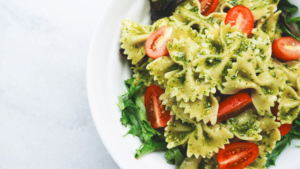
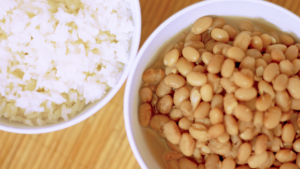
- Legume + cereal= lentils/hummus made out of chickpeas and rice. Lentils and pasta
- Legume + dried fruit= lentils and almonds
- Nuts + cereal= nuts with oats
2. Seeds:
Having enough stock of these products will help you recharge energy throughout the day and improve your meals not only in protein but in flavor as well!
Key tip to all seeds digestion: It is convenient to roast or grind them to make the most of their properties, and to be easily digested as well.
Sunflower seeds: they're the most caloric ones, and they are rich in potassium, a mineral that regulates the metabolism of water in the body. For this reason, they are very beneficial for people with circulatory disorders and hypertension. Also, it contains Calcium, Magnesium, Vitamins A, D, E and B, diuretic and antioxidant properties very useful in times of stress.
You can add them to your meals and salads and if you want to get the extra tip: toast them in a pan with a bit of salt and then process them. Add a bit of extra virgin olive oil, and you get a dip out of them! A delicious treat to replace butter or cheese.
Chia seeds: one of the plant based foods with the highest contain of Omega 3 and fatty acids. In addition, they contain mucilage, a type of fiber that is released when it contacts water, forming a kind of vegetable gelatin.
Therefore, they are great allies to apply in all foods, and its gelatin to cook your veggie meals and desserts.
Key seed to prevent constipation and regulate intestinal transit.
Chia seeds, in particular, provide up to seven times more omega 3 than blue fish. Talk about a super powerful seed!
Sesame seeds: a tasty source of minerals, proteins and fiber. They are rich in leic acid the same fat that foods such as avocado and olive oil provide! They help to reduce bad cholesterol.
You can also make Tahini with these seeds, making the following procedure: toast them for 5 minutes in a pan with a bit of coconut oil and salt. Afterwards, process them and with a bit of water an olive oil altogether, when you achieve a homogeneous paste you got your tahini! A great dip to replace dairy and butter.
Pumpkin seeds: a healthy snack that stands out for their nutritional contribution of fiber and natural antioxidants such as vitamin A and E. Also, as vitamins of group B which balance the nervous system. They contain Zinc which is a key mineral for the proper function of our immune system!
Other varieties of seeds to have in mind: Flax and poppy seeds are great allies as well for your vegetarian meal plan.
3. Nuts to complement your day:
Nuts and seeds are good sources of protein, healthy fats, fibers, vitamins and minerals. Having them present in your daily basis will get you the right amount of their benefits to regulate food intake, burn of energy and health aspects as preventing diseases.
Almonds, Brazil nuts, Cashews, Pecans, Walnuts, Hazelnuts, pistachios, Macadamia nuts and peanut are a couple of options to have in mind as good sources of dietary protein. Some of their beneficial aspects when you get them for your vegetarian meal plan:
Pistachios: they are good in protein and fiber, iron, zinc, vitamin A, E and potassium. Also delicious and energetic to have in hand when you want to get a healthy-salty snack!
Almonds: rich in fats and essential minerals such as Zinc, magnesium, potassium, iron and some B vitamins. It's best to consume them with foods rich in vitamin C, such as citrus fruit (oranges, grapefruit, kiwi) or vegetables such as broccoli and spinach.
Of all nuts, these are the ones that contain most calcium, its oil is especially good for skin.
4. Herbs and spices:
Spice up your cooking and start enhancing flavor with these herbs and spices that also provides benefits for your health. Learn about the beneficial aspects that spices bring along.
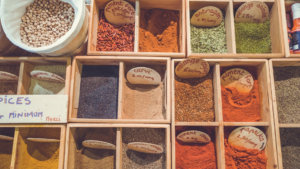
Turmeric, Oregano, Garlic, thyme, cumin, bay leaf, rosemary and pepper. Some of their benefits:
Turmeric is an excellent spice due to their powerful anti-inflammatory and antioxidant properties, you can add this to all your cooking: legumes, rice, vegetables as well.
It isn't spicy, but instead it enhances flavor and gives you this beneficial aspects for your health.
Garlic: some people are resistant to garlic seasoning because of its strong smell, but if it's cooked properly, you will get all the beneficial aspects, and the smell will be the least of your problems. It is Immune-supportive, anti-inflammatory, and has nutritional properties. Don't be afraid to load up your garlic in ALL your meals, you won't regret it.
Rosemary: this fragrant herb is powerful in antioxidants and anti-inflammatory. Also, It's a good source of iron, calcium and vitamins A, C, and B-6, rosemary has been used for medicinal purposes for centuries. Spicing up your life with some of these herbs and spices will power up your vegetarian meal plan and health as well.
5. Vitamin B12 and supplements:
If you want to pursue a veggie lifestyle for long-term, you need to have in mind taking supplements at some point if you're not getting enough vitamin 12.
Vitamin B12 is an essential vitamin for the cells. It’s important for keeping your nerves, blood cells, and DNA healthy. Most animal products contain this vitamin in more or less doses such as meat, dairy, and eggs are some sources.
Plant-based foods do not naturally contain B12, so people who follow a vegetarian diet or vegan diet need to make sure they get enough each day to avoid a deficiency.
A lack of vitamin B12 can lead to serious health consequences, such as pernicious anemia.
Start by taking supplements but first go to your doctor or health professional to check everything your body needs, all bodies are different, and we don't have to follow general rules. I expect this article was useful to have in hand for your vegetarian meal plan, so you can start with confident steps to a healthy lifestyle. Subscribe to join our community and access to more articles!

10 ways to save the environment in your daily habits
Our thoughts create actions, actions turn into habits, and habits become our reality. When we change our habits, our life and way of thinking changes as well, and changing is never easy. This is why we believe that instead of focusing only on our goals, focus in the path to them. Our daily habits, routines and life plan create the steps towards our goal.
Having a sustainable lifestyle may be our goal, but where to start?
First, remember the big 3-R’s: reduce, reuse, recycle, try to acquire this mantra in your daily life. Second, here you have an easy and fast guide into 10 ways to save the environment through changes in your routines and habits. Changing is never easy, but every day we have the opportunity to start over, and start living a more sustainable life.
- Reduce animal protein: Try at least one day without meat on your weekly nutrition: did you know that livestock produces more pollution than transportation? According to the United Nations Organization of Food and Agriculture, it produces more than the transport sector about 18% more than its equivalent in carbon dioxide in the transport sector.
Livestock is one of the main responsible for serious environmental problems, also one of the main responsible for Soil degradation and water resources. It is estimated that 7-% of water footprint worldwide is due to food.
To produce the food we eat, it requires huge amounts of water, being animal protein the most water-demanding.
It requires 15.400lt of water to produce 1kg of veal (the number decreases within the animal’s size). Reducing animal protein on your weekly nutrition will be also a beneficial change for your body as well.
It takes a lot of time for the human body to digest animal protein, so having more space in between intakes of meat will be more beneficial for your digestive system as well. These little changes on habits have a huge impact on ourselves and others, especially on earth resources’. - Reduce % recycle waste plastic: try to separate your waste into organic vs recyclable waste. Separating recyclable waste from the organic helps to decrease the need for more production and energy to produce new ones.
When we reuse or recycle, we reduce the need to extract more resources and prevent exploiting earth to obtain them.The organic will be able to biodegrade, the glass and reusable or recyclable plastics will come into use again. We will leave less garbage to be transported and treated and less to be burnt or buried.Also, organic waste you can throw it to your composter and when it disintegrates it is transformed into compost, a NATURAL FERTILIZING for your food garden, in this way we reduce the bad smell that organic waste decomposed plus you will reduce 70% of our waste.Separating your waste reduces the chances of dispersion of dangerous substances such as lithium from batteries. This kind of wastes pollute groundwater and are a threat to our health, these substances are not only toxic but also inflammable and reactive.
This key aspect tells the impact our daily habits impact on ourselves, nature and all living beings.
- Compost & food garden: when you start to separate your waste, you realize the amount of garbage we produce daily, estimated to be 70%of our waste, a lot! So the first key is to decide where to throw all that organic waste.Compost is a great alternative, and you get plenty of benefits by doing so: Compost is a mixture of ingredients used to fertilize and improve the soil. It is commonly prepared by decomposing plant and food waste and recycling organic materials.The resulting mixture is rich in plant nutrients and beneficial organisms, such as worms and fungal mycelium. In this way we transform our waste into organic fertilizer for our already degraded soil.
If you already have a food garden, you can get your own food without all the chemicals and toxic fertilizers that the industry uses.
You can feed your soil with your own organic waste and connect with nature as well. When you realize how much time it takes to decompose, you change your perspective on how much you waste, reuse or recycle.
Also, a wider perspective in how we relate with earth and its resources, the way we consume and how our daily habits can have such a negative impact on the environment. Changing habits will make a positive impact on ourselves and nature as well.
- Reduce disposable feminine products: bet on long-term products or the ones which are easier to recycle. There are alternatives to feminine products that are reusable and have a long-term lifecycle, such as the menstrual cups.Menstrual cups are made of medical-grade silicone, rubber, latex, or elastomer and can last up to 10 years. Imagine all the disposable feminine waste you can prevent by just using one single product. You reduce waste, expenses, energy and environmental impact.Disposable feminine products are a threat to the environment because the biggest problem is that these are pathogenic residues. When not being treated correctly (they are deposited in sanitary landfills or open dumps), dioxin and chlorine can seep and contaminate groundwater, streams and lakes, causing serious health problems for those who consume them.
- Build Eco-bricks: if you are wondering how you can recycle all the plastic you have, you can consider saving the plastic bottles to fill them with other recyclable waste.In that way we have all plastic retained in one container, and then we can use these eco bricks as a sustainable substitute for construction materials. You avoid throwing away loose plastic, which pollutes greatly, and you even build something from it.
- Choose the Free ride: If you have the opportunity, choose the bike ride instead of the car. You not only contribute to less pollution, but to our health as well.It is known that it oxygenates the brain and fights stress, tones and strengthens the back, the heart and makes your immune system more resistant, plus its economical, social and environmental benefits.

- Buy sustainable products and invest in local entrepreneurs: check for local eco-friendly entrepreneurs that are already contributing to sustainability through their business.When you invest in SMB’S, you are investing in the economic growth and the growth of ventures that are contributing to a bigger cause: sustainability.
- Plant a tree: trees are the ones that absorb CO2 from the atmosphere and convert it into carbon, this process contributes to the mitigation of climate change.They produce oxygen, purify the air, form fertile soils, prevent erosion, maintain clean rivers, capture water for aquifers, serve as refuges for fauna, reduce soil temperature (which is one of the main causes of severe droughts), promote the establishment of other species, and regenerate natural resources.A big concern regarding this matter is the destruction of forests and its degradation. The carbon that was once stored is released into the atmosphere, contributing to aggravating the problem of climate change.
It is estimated worldwide that soil use change is one of the most important sources of Greenhouse Gases (GHG).
For all these reasons and more, planting a tree and joining a cause that protects forests, is planting a seed for a better future life. - Avoid fast fashion: you will make your community, the environment and your pocket a big favor. Behind the beautiful marketing strategies, fast fashion is having from long ago a high cost at a social and environmental level.Fast fashion is all about selling low-cost pieces massively, impacting directly to workers that are paying what you aren’t. Because from what you are paying less, there is somebody whose getting less out from it, not only in the economic side but also in the conditions (mostly terrible ones, not to mention child labor).First, thinking who made your clothes and in what conditions it was made will help you consider where and to whom buy. (most workers in the cloth industry tend to have 14 to 16 hours of labor daily).
Choose instead cruelty-free, sustainable and local options when you get to buy something new. Also, you can try to reuse garments or exchange them with a friend that both no longer use but are still in good condition, always try to reduce, or give a second life to that piece.
The textile industry is leaving behind a lot of products that take years to biodegrade, and ultimately they end up polluting more due to this mass consumption system.
- Last but not least, join a community or a cause that pursues the same goal as you, in what area of your life you want to change? How can you be a resourceful human to this earth?Everybody has a talent and a cause, go after your goals and if you join a community, you will also cultivate a self of belonging to something you are appreciated for and valued.
If you still feel this is difficult to keep up with in your daily life, try starting with a journal to organize your days, your tasks and habits to have a clear view of what you are creating each day.
After a while you will see the results, and you will feel gratified, not only for the incredible results and all you accomplished, but because you had made a difference.
If you are already implementing this and want more tips to achieve a sustainable and healthier life, subscribe to our website!