
Tryout
[cfmedia id="66324" controls="yes" vid_frame_poster="yes" muted= "no" loop="no" autoplay="no" preload="yes"]

Crazy people riding a motorbike in Vietnam
Do you remember when I told you that riding a motorbike in Vietnam was kind of challenging? Well, enjoy these pictures about some weirdest scenes we saw on the road!
Crazy people driving a motorbike in Vietnam
In one of my previous posts, I described to you how is the situation on the road in Vietnam: chaotic!
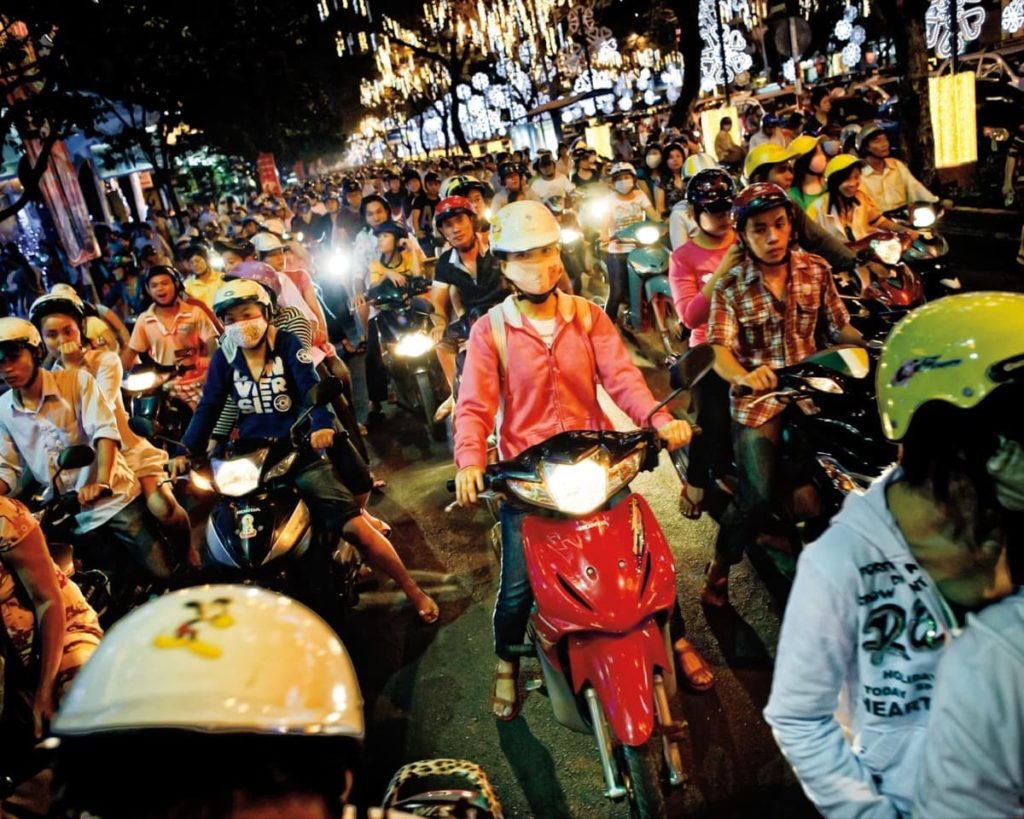
In addition to that, our friendly crazy Vietnamese drives carry whatever while driving a motorbike. Let's start from the less impressing.
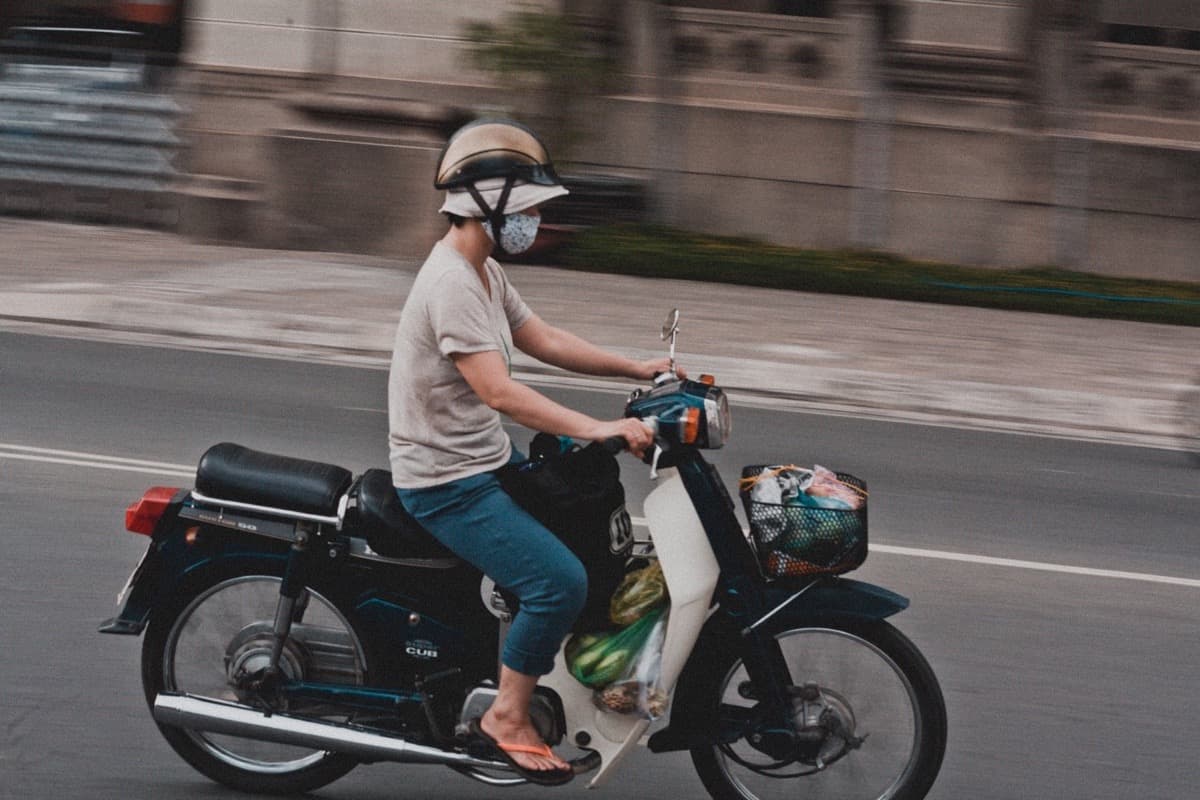
4. A man wearing a mask, a cap and a kind-of-helmet, and carrying the grocery.
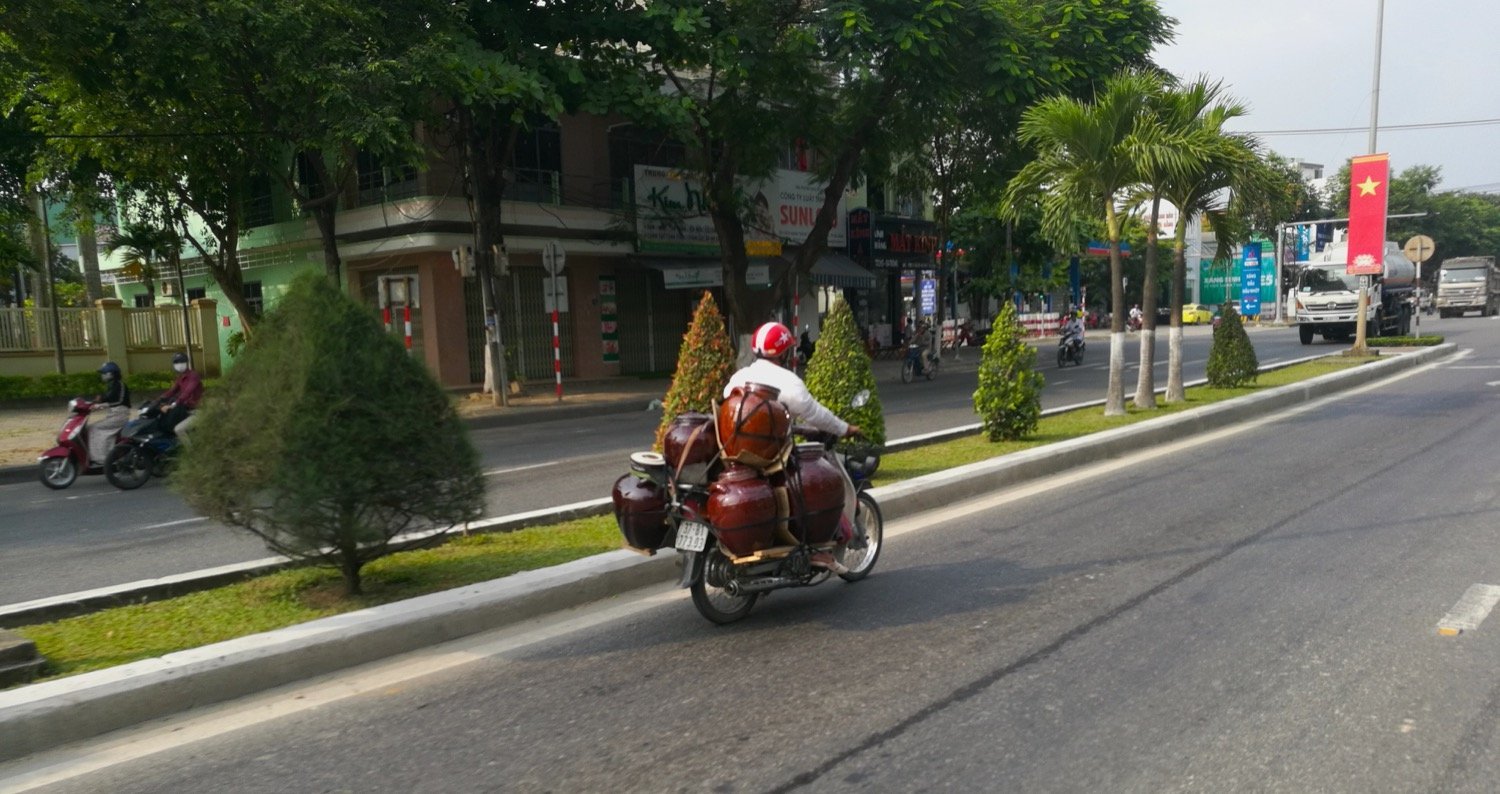
3. A man carrying 5 big clay vases.
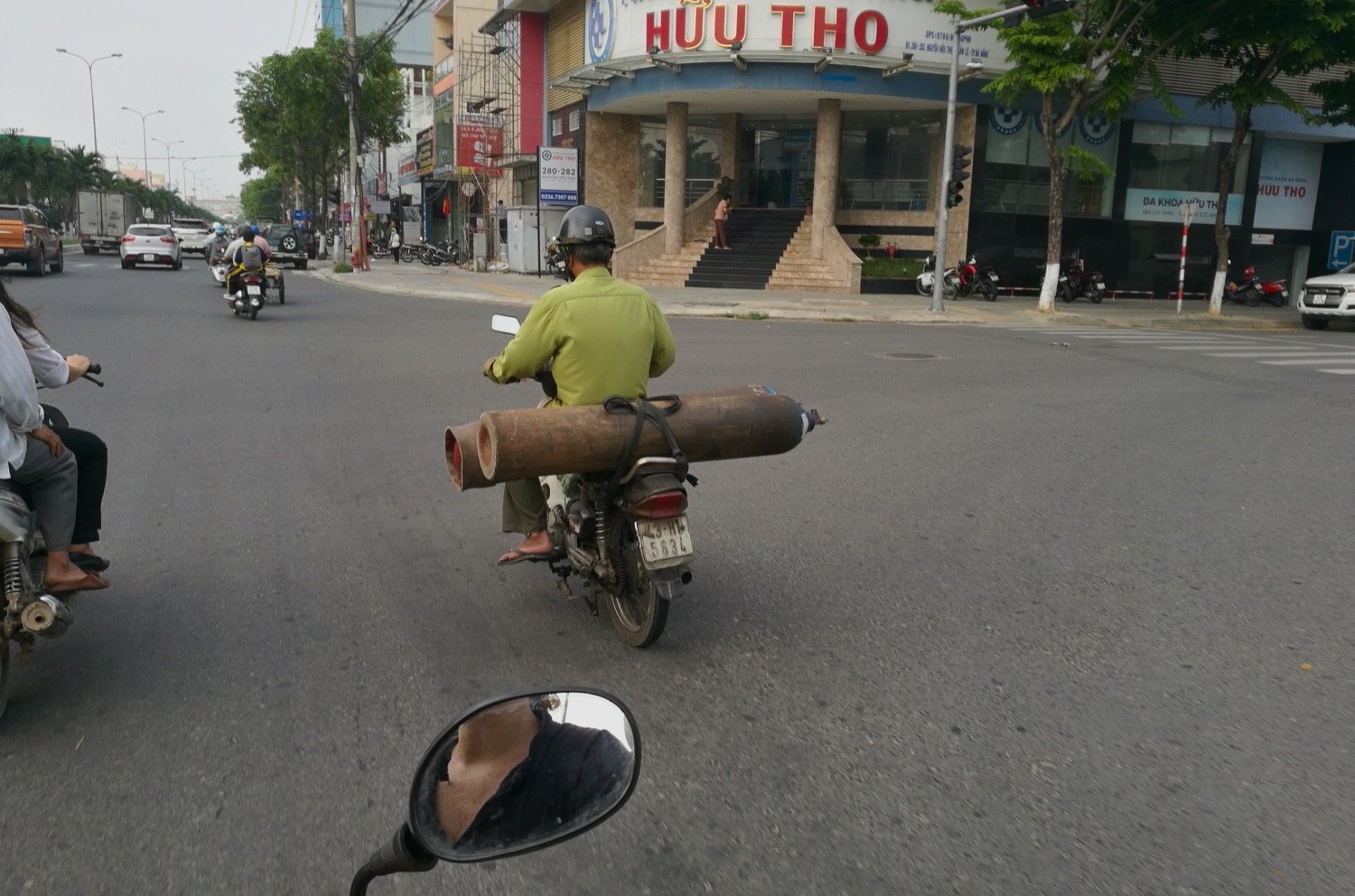
2. A man carrying 2 big gas tanks.
And the winners are two men carrying a long ladder and other iron poles!
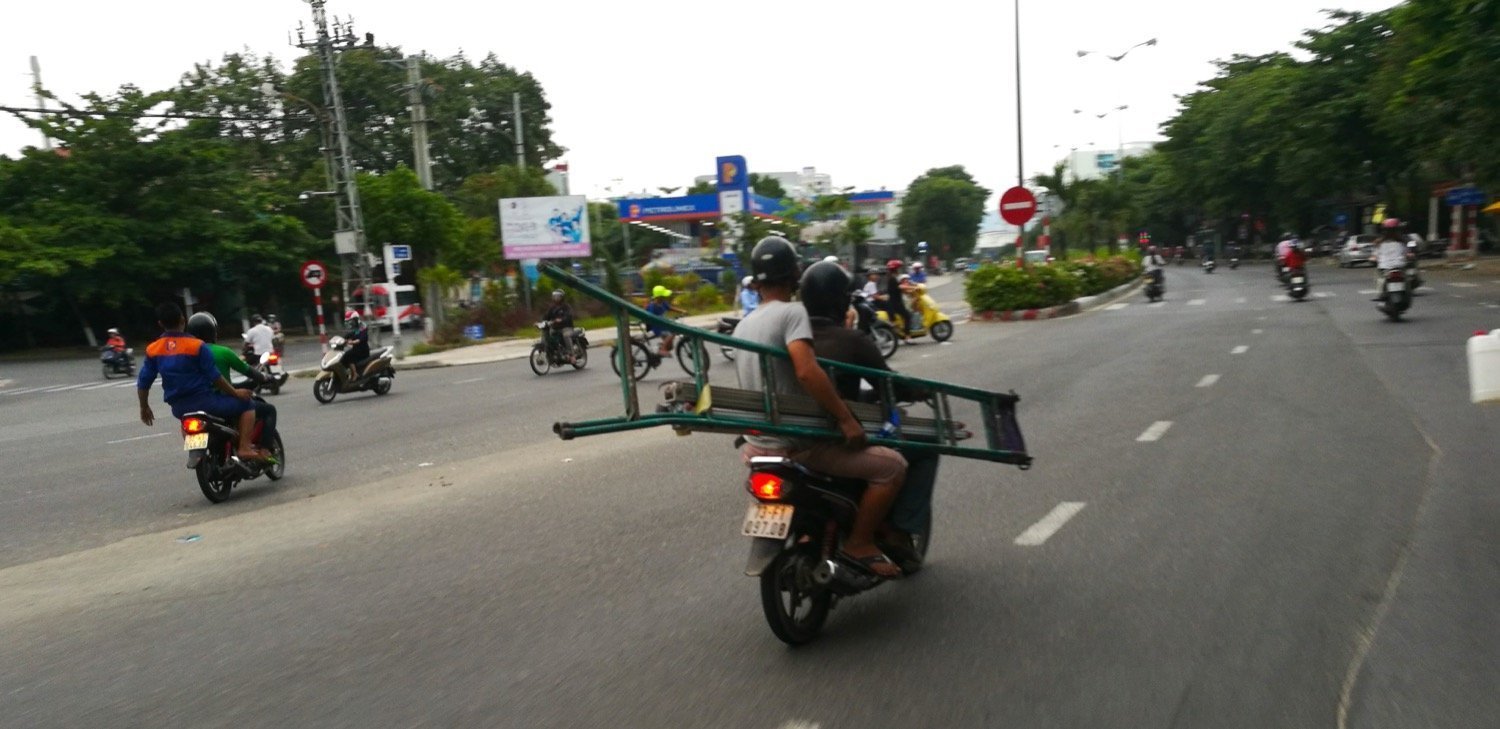
I know that this may not be considered a post, but I thought it was cool to share these experiences about riding a motorbike in Vietnam with you! If you still want to rent a scooter, you can read some safety tips in this article.
See you next time!
Hoi An: guide for 1-day travelers
When you stay in Da Nang, you cannot miss a visit to Hoi An.
How to reach Hoi An
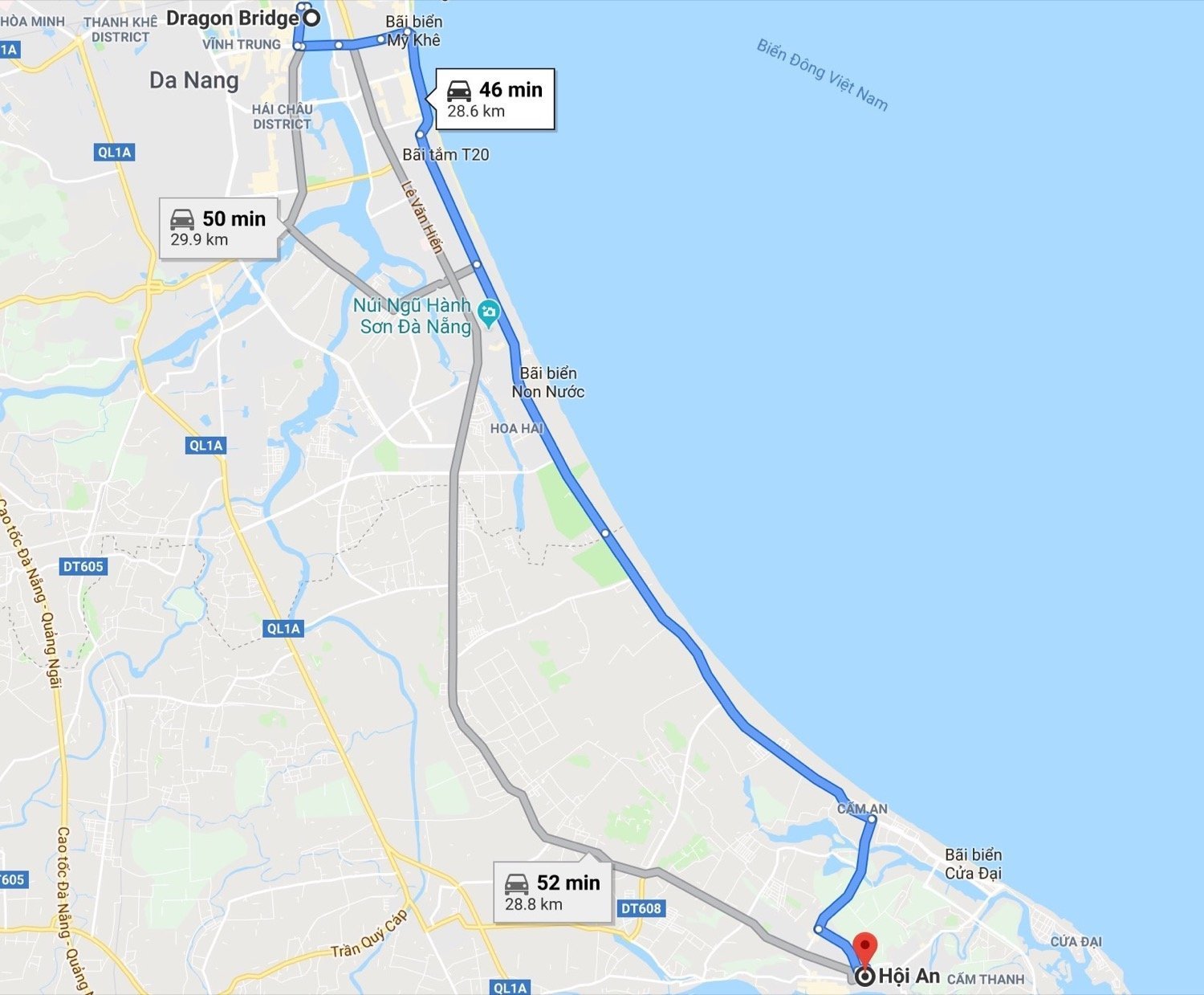
It is very easy to travel from Da Nang to Hoi An. Some hotels arrange the transfer for their guests, but you can DIY and go there for a cheaper price. The itinerary is easy and you cannot get lost.
By bus
You can catch bus nr. 1, which has several stops in all Da Nang. It is a yellow bus, with around 25 seats. On the other hand, the aisle is full of bags and boxes carried by local people.
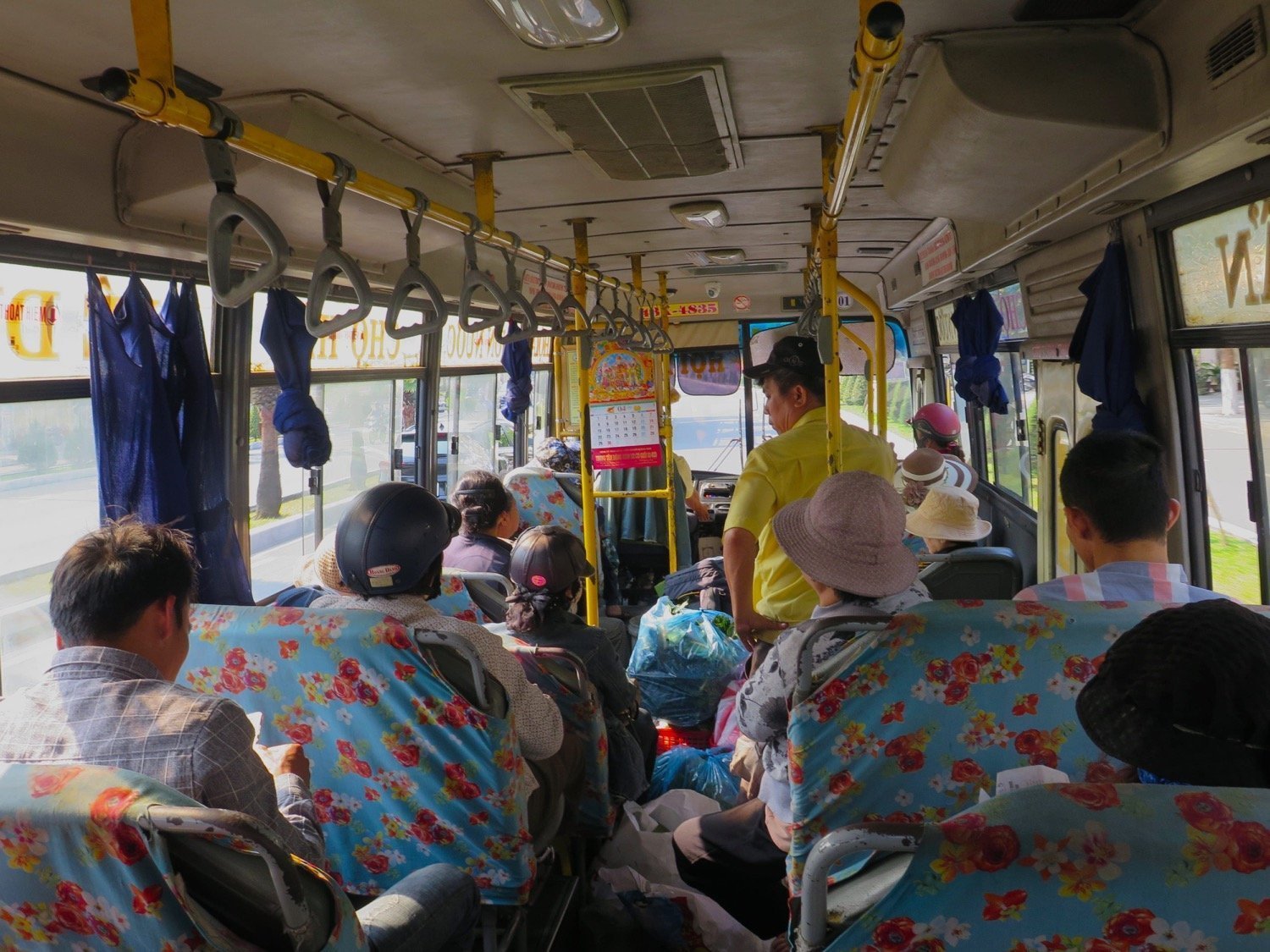
On the bus there are 2 staff members: 1 driver who drives and honks the horn, and 1 person who drags people inside the bus, collects the ticket money and controls that everything is all right among passengers during the trip.
The ride costs 30'000 VND per person, and it takes around 45-60 minutes to reach the destination.
I recommend this option as it can be quite fun!
Alternatives to the bus
You can either rent a motorbike and go there driving yourself or take a taxi.
To rent a motorbike in Vietnam is very cheap, like 150-200'000 VDN (6-8 $) for 1 day! The downside is that, if you do not have enough skills, you will have a hard time on Vietnamese streets. There are no rules so you need great reflexes and high awareness of what you are doing. If you are not an expert, then go by bus or taxi. This is a friendly suggestion :-)
By taxi, the trip takes around 45 minutes and, as far as I understood, the cost is approx 15 $.
Hoi An: UNESCO World Heritage Site
Since 1999, Hoi An has been nominated a UNESCO World Heritage Site.
The city's historic district, the "Old Town Hoi An", is very well preserved and maintained. Its architecture is a mix of indigenous and foreign influences.
The best way to visit it is by renting a bike. You can bike in the Old Town, but you can also easily reach the outskirts and discover the real Vietnam in only 1 day. A bike will cost you around 5 $ for the entire day. It is really worth it!
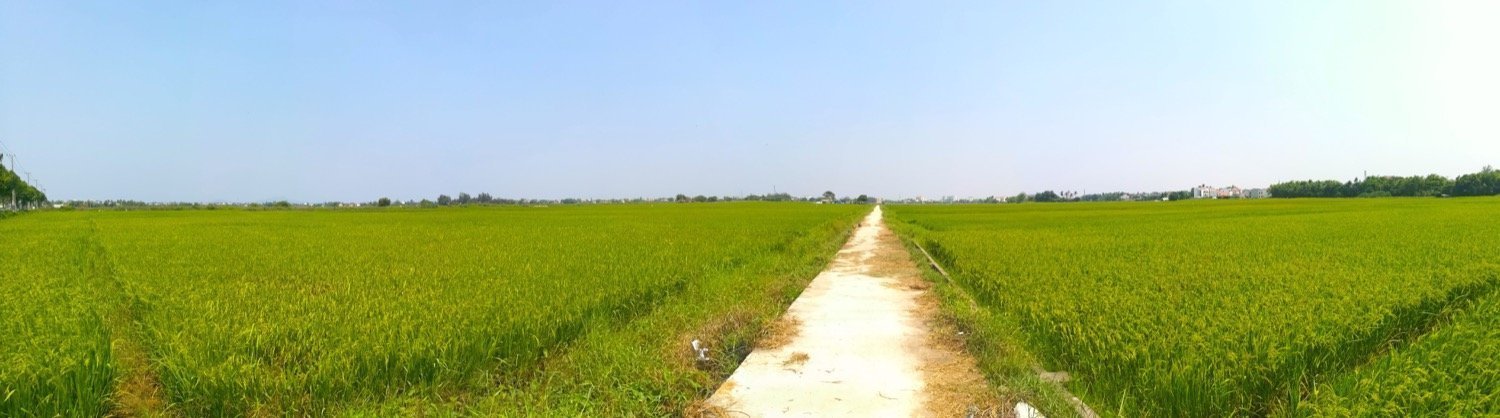
After a short tour in the centre, I biked towards the rice fields and got into this wonderful landscape. One road, no one else, only green fields. That's the Vietnam I was looking for.
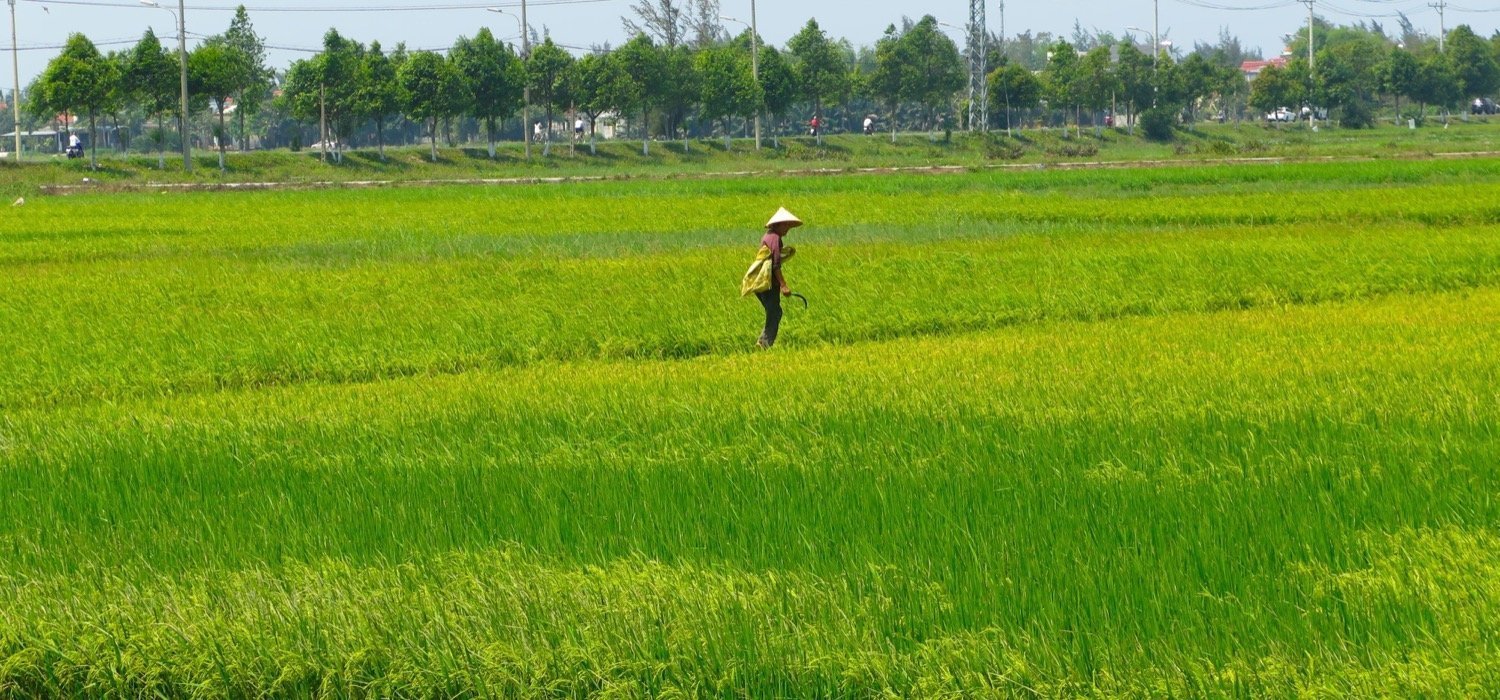
These brave people are working in the fields despite the 40°C, despite the 98% humidity. Life can be very hard, and we need to admire who proudly faces it every day. Physically speaking, this is destructive.
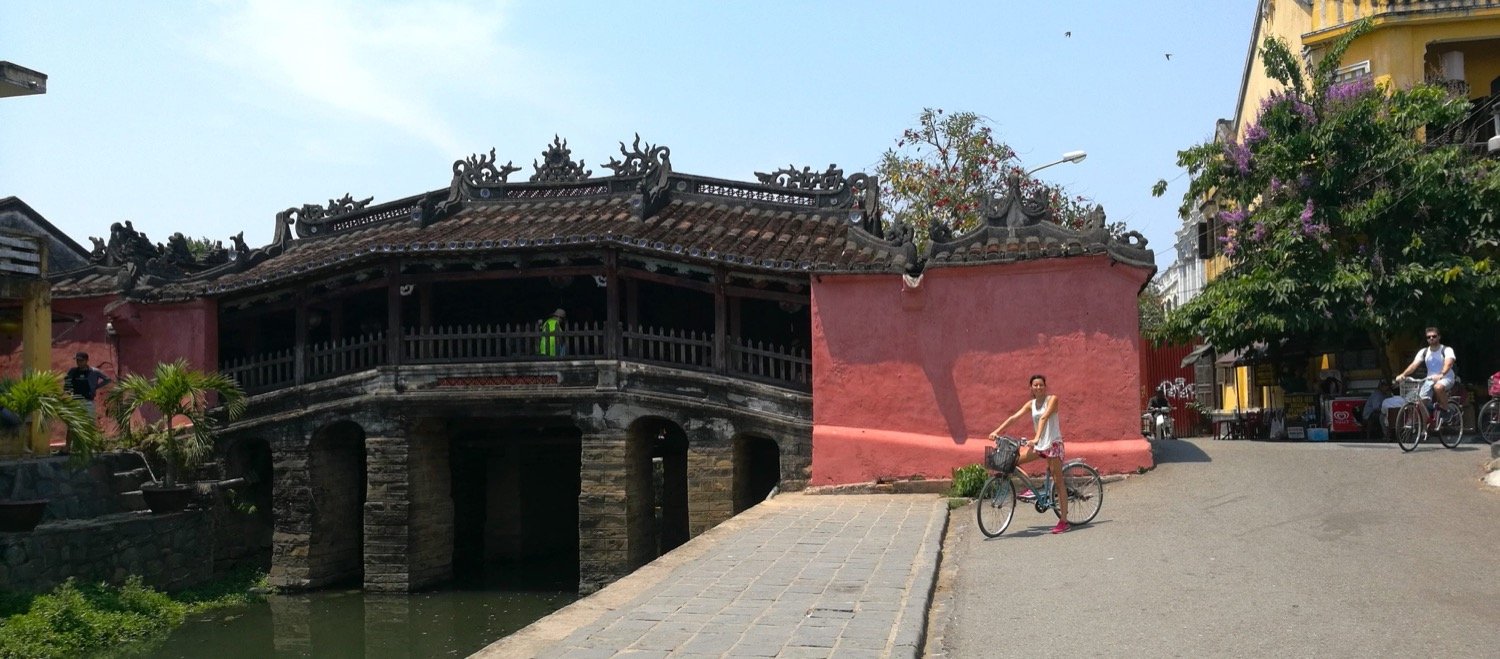
Going back to the city's old town, you can visit the covered "Japanese Bridge". This is one of the main attractions in Hoi An, and usually, it is impossible to take a picture with no one else (almost) around. I was so proud to be there by myself (almost)...
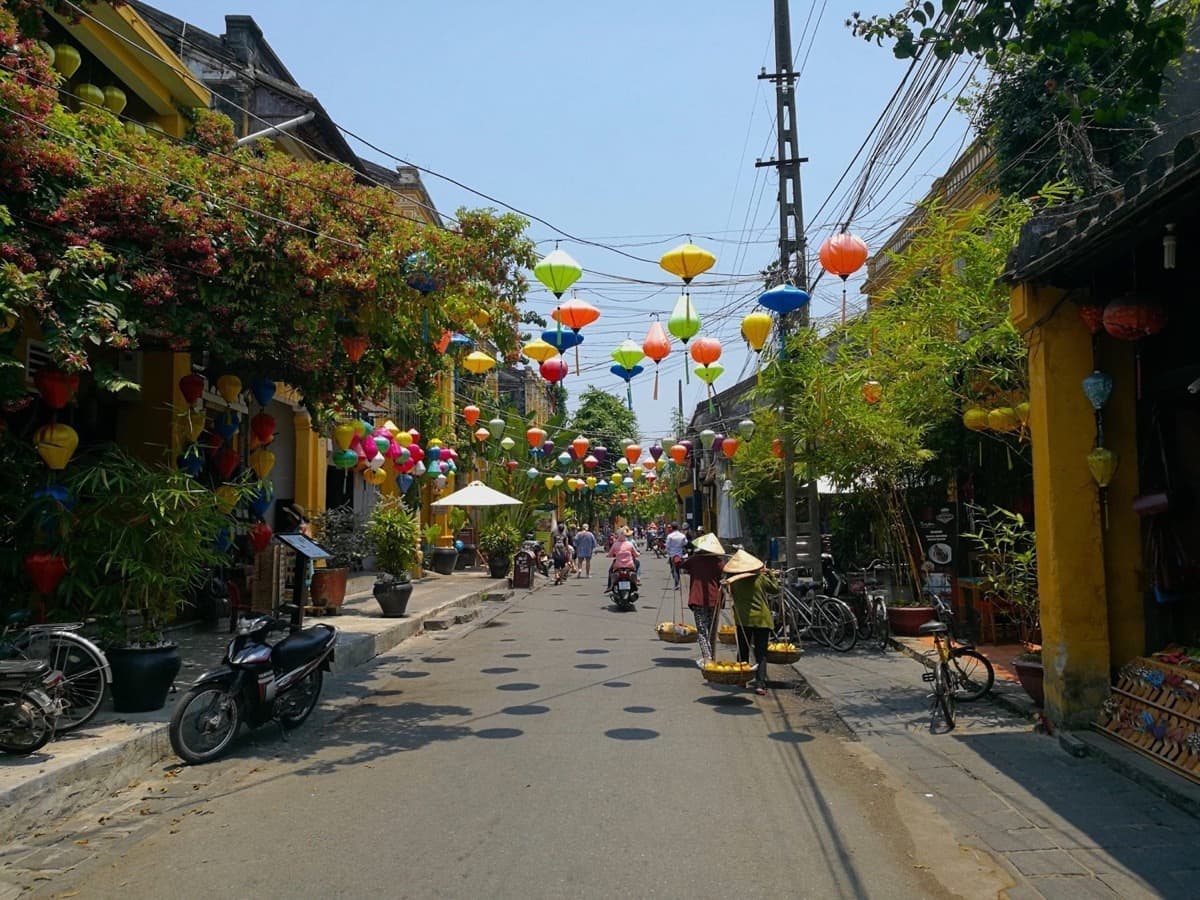
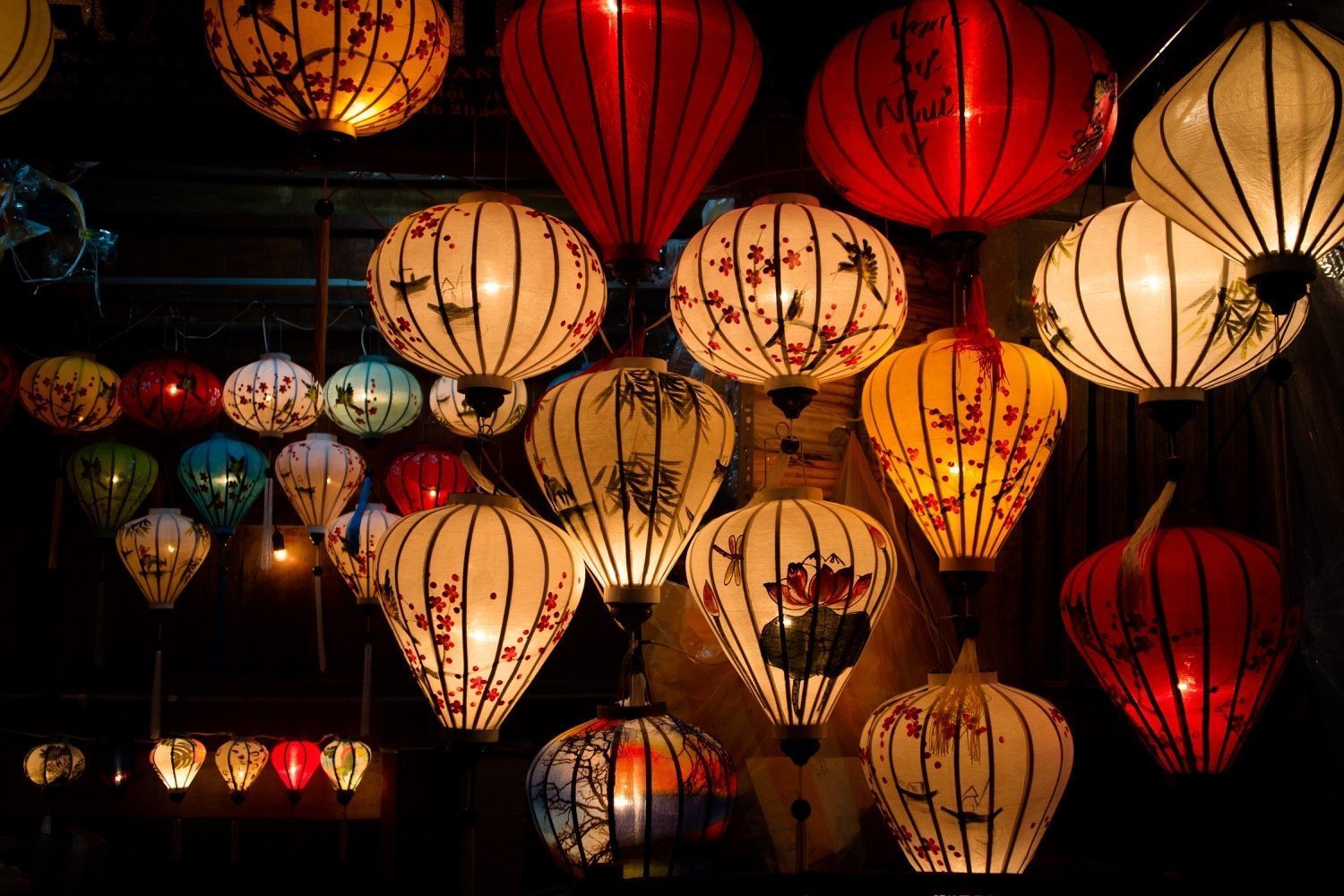
The pedestrian area is cute, colourful and gives joy. If you look up in the sky, you will admire hundreds of coloured lanterns hanging around, which gives to the city a magic atmosphere.
And during the night...
The Hoi An main market, called Central Market, is very popular and it is located in the Old Town, on the water’s edge. It is a fascinating place to visit even if you’re not looking for something specific to buy. There are several craftsmen selling their artworks. I have been so impressed by this guy, transforming a bamboo root into a mask. It is cool, isn't it?
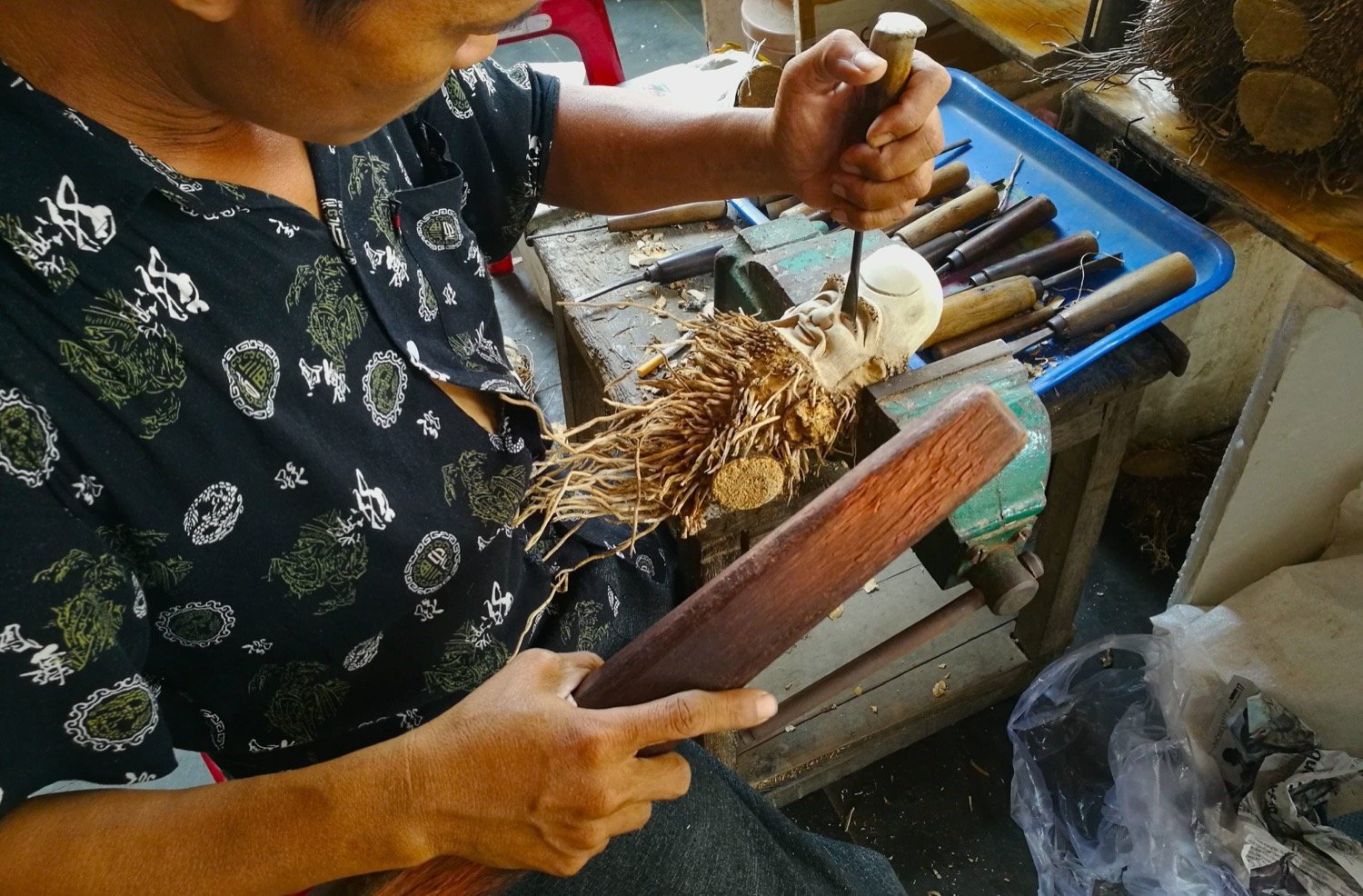
His little shop was full of these beautiful masks. He was so excited to see people interested in his art.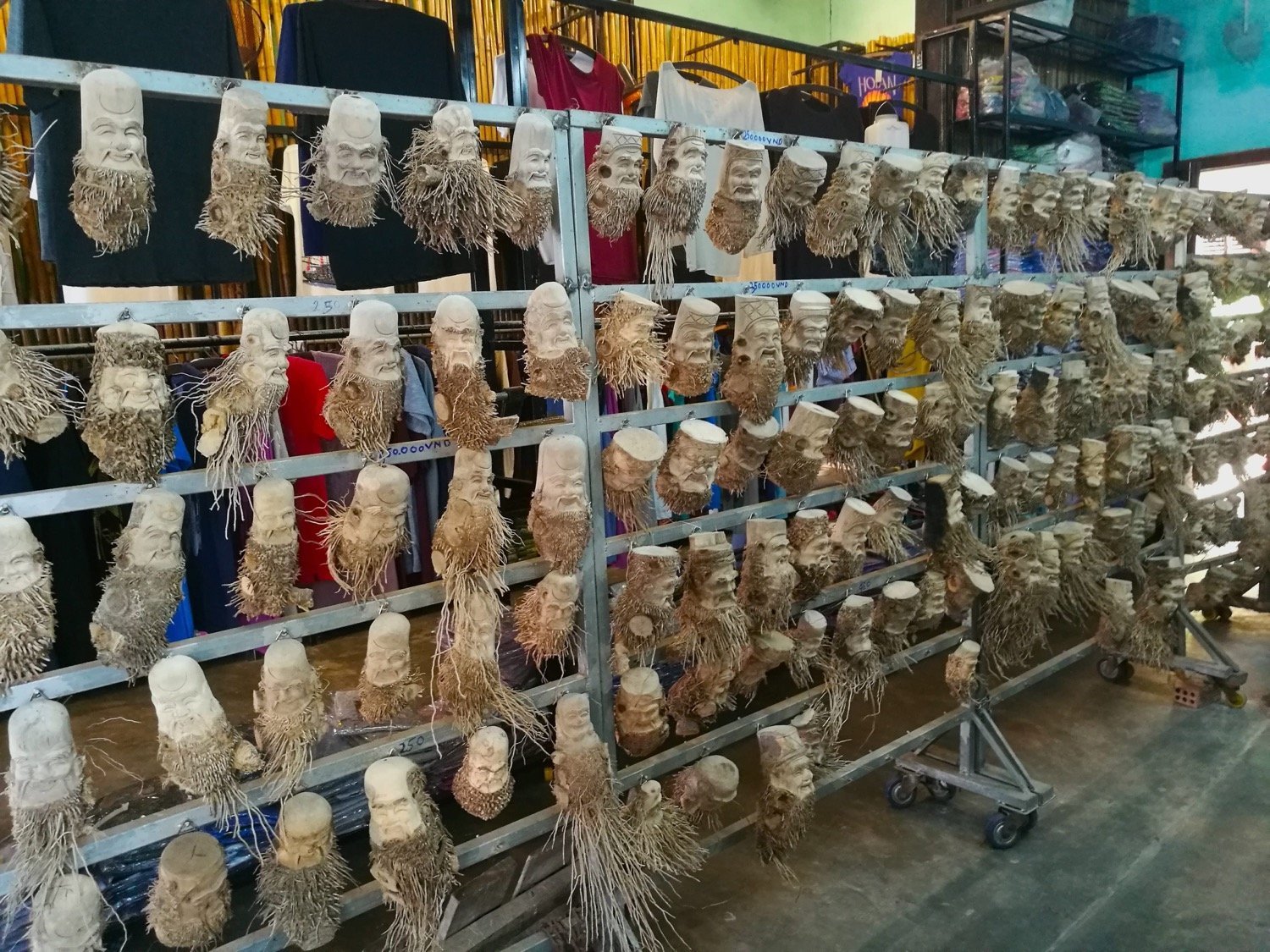
In general, Hoi An is very cute, and perfect if you want to have a 1-day experience outside Da Nang, or if you want to buy some crafts or handmade products. There are a lot of restaurants and bars, you just need to pick one and enjoy a delicious Vietnamese meal.
Unexpected and surprising bars
After a full day biking under the sun, I was hoping to sit in a nice place, drink something and relax before going back to Da Nang.
As mentioned, Hoi An offers many bar options for any taste. This is a funny one I found in the Old Town:
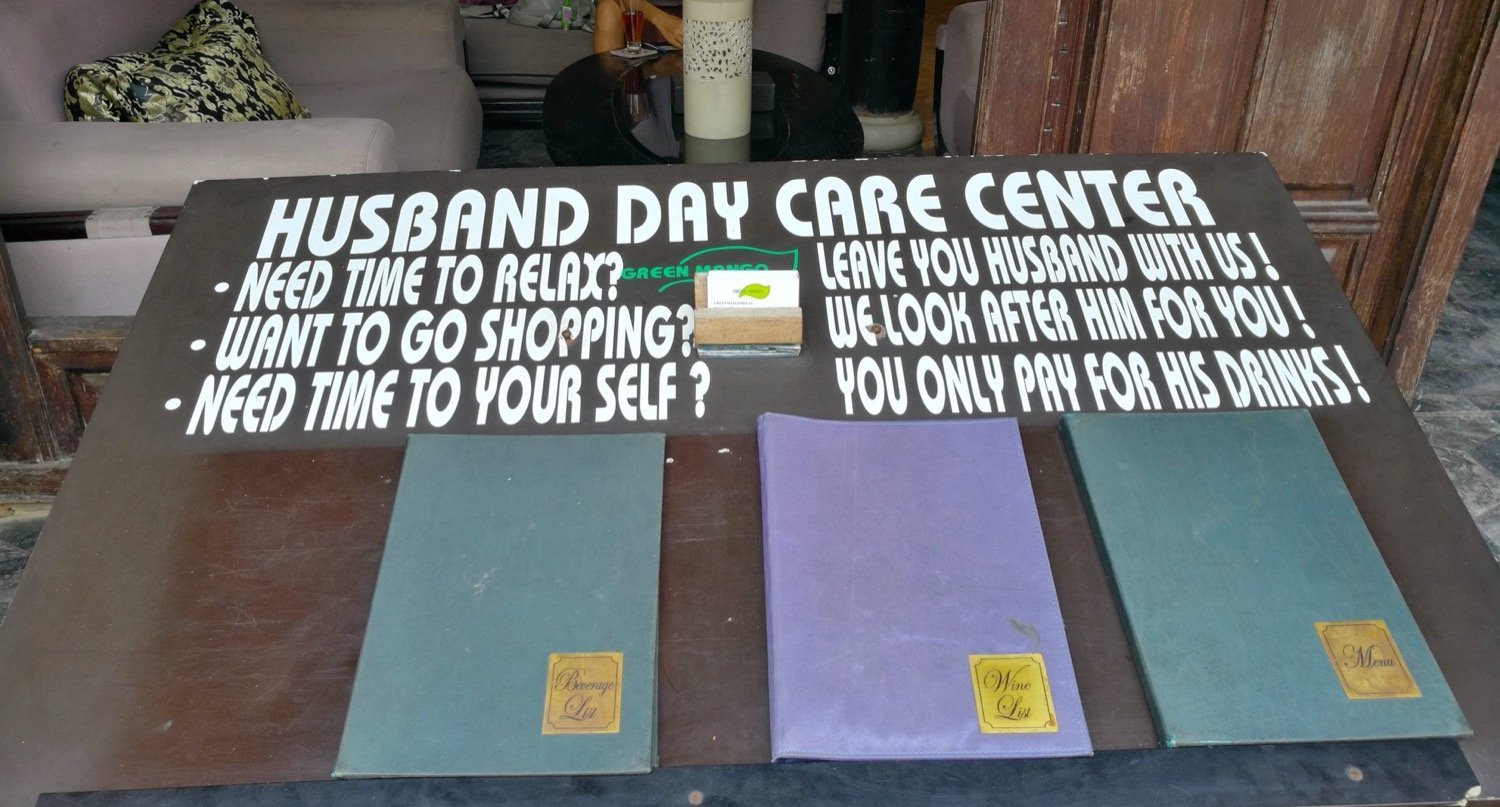
How cool is this? I think that's a great tactic, it's catchy, funny. Well done!
But the best place I have been during my stay in Vietnam, as far as I can remember, is this one:
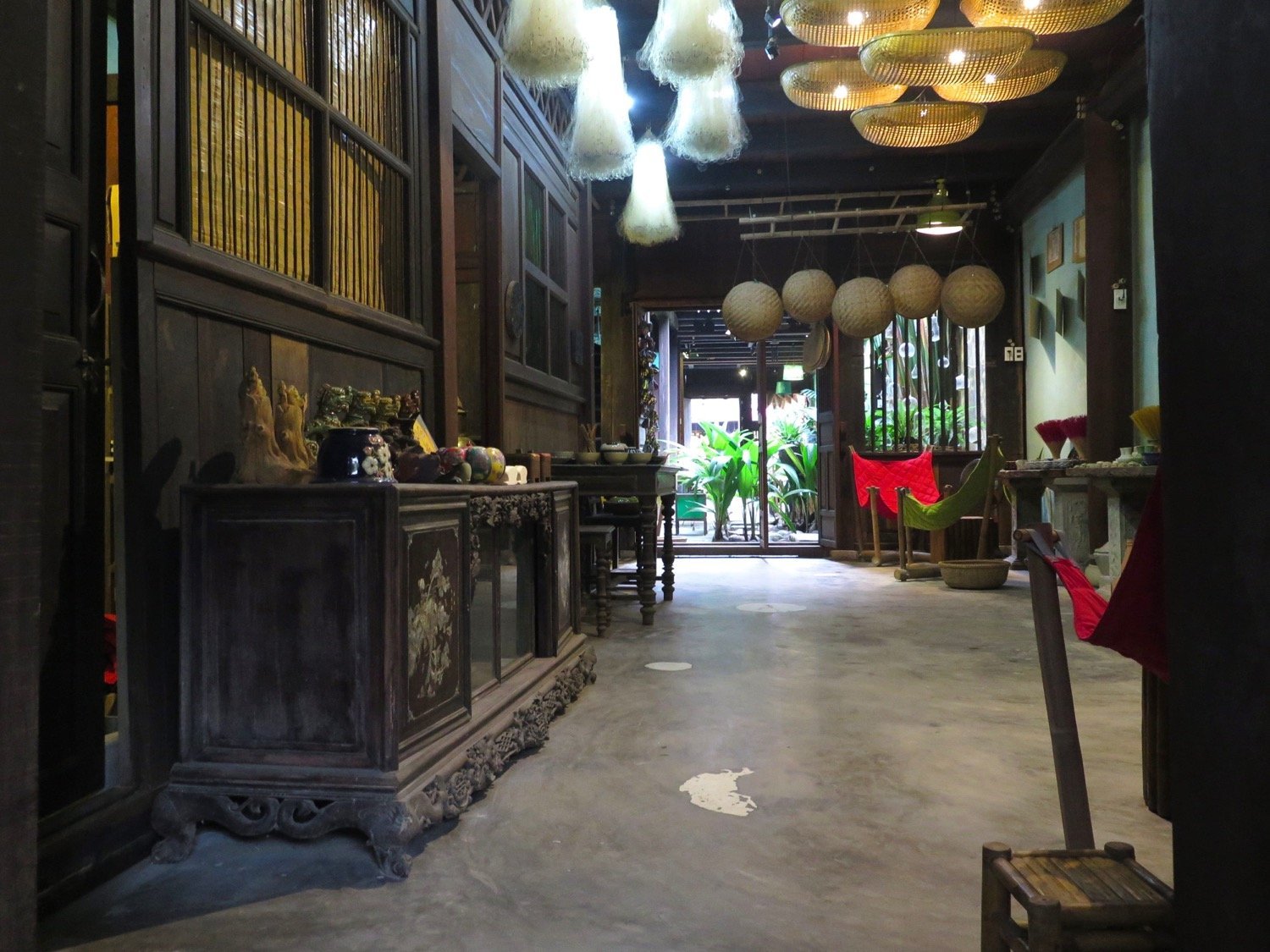 I can already hear you saying "well, this is nothing surprisingly special and it is not unique...". Ah-a, check the next pictures and you will let me know later if you changed your mind.
The shy host welcomed me and guided me to the backyard. Among their huge choice, I ordered a hot jasmine tea, served with this cute setting.
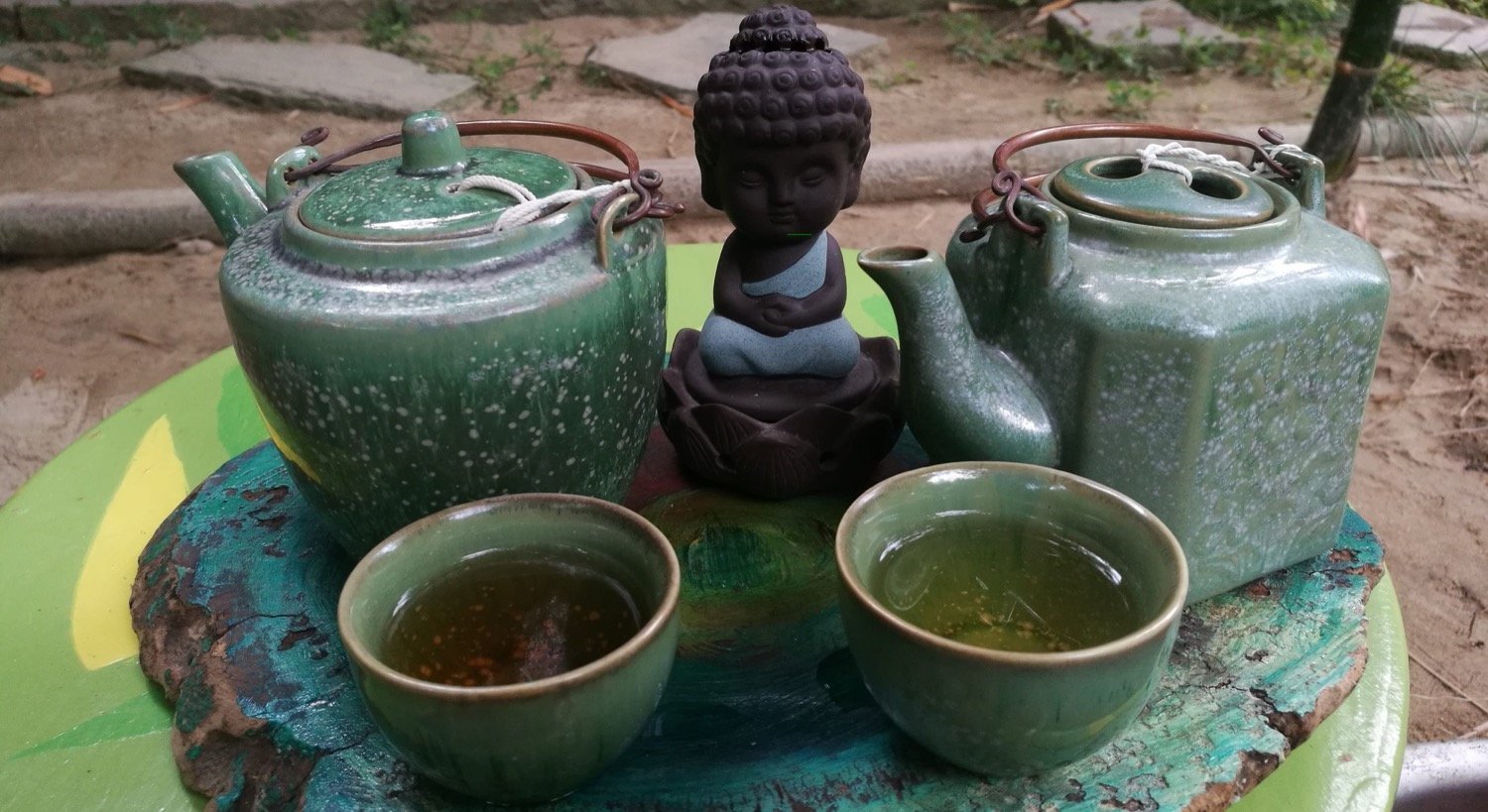
But, the best part has still to come! While sipping my tea, I had my feet dipped into this rose-scented, salted and iced water!!
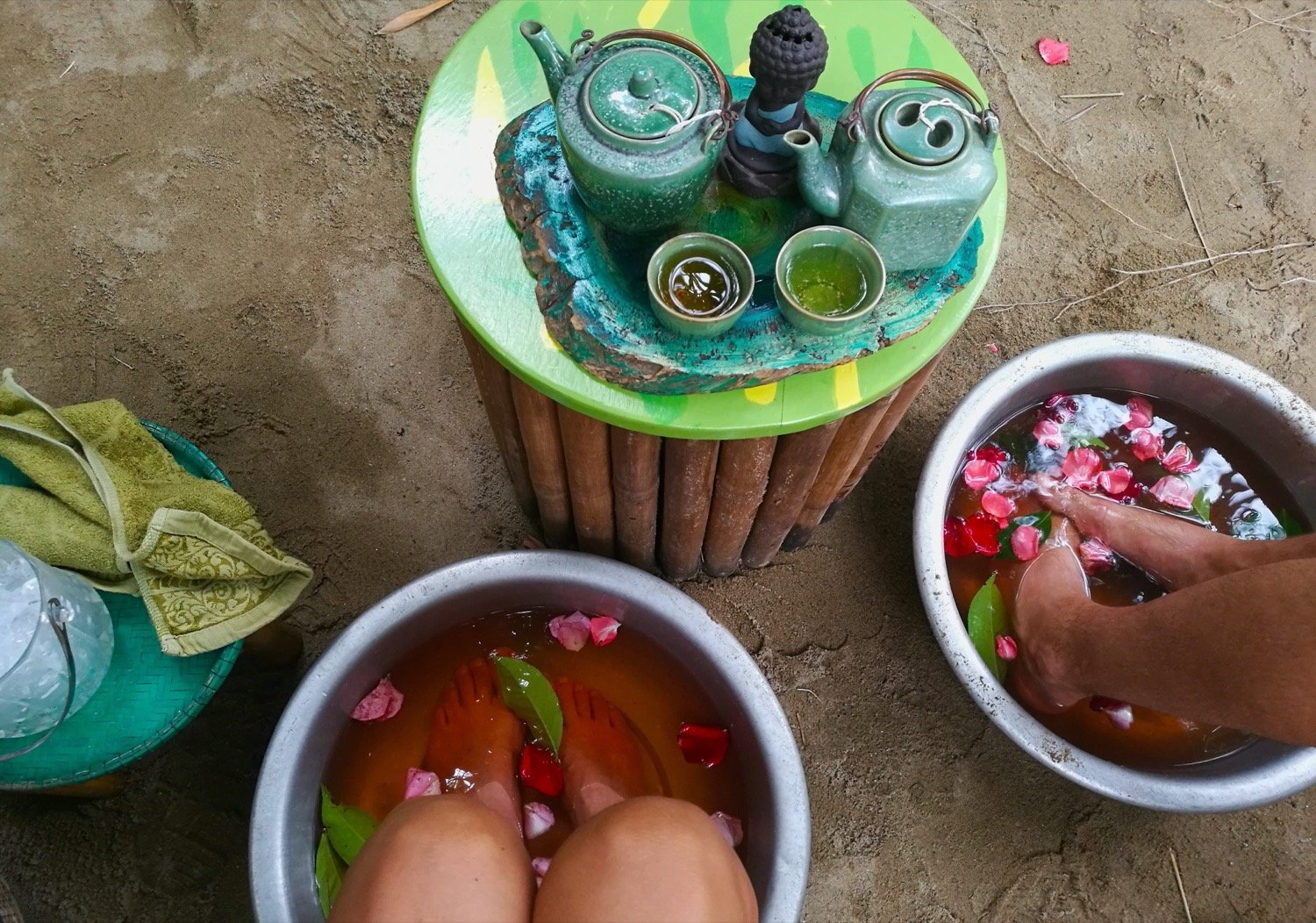
Isn't it cool? It has been an unexpected and super pleasant surprise. So appreciated in such a warm and humid day! This place is called Cocobana, and it is located in a little corner in the pedestrian area. I really advise you to visit it if you have the occasion.
And well, this is the happy-end to my 1-day visit in Hoi An. I feel I had a great day, and I would definitely come back to Hoi An.
See you soon!
Asia Park in Da Nang Travel Experience
While we were looking for activities in Da Nang, we collected a lot of information about Asia Park. But we couldn’t believe them to be true. In every blog we read, it was said that this was a desert park: no people and, consequently, no queue.
Was this true? Yes, that’s the reality of the Sun World in Da Nang (previous name "Asia Park").
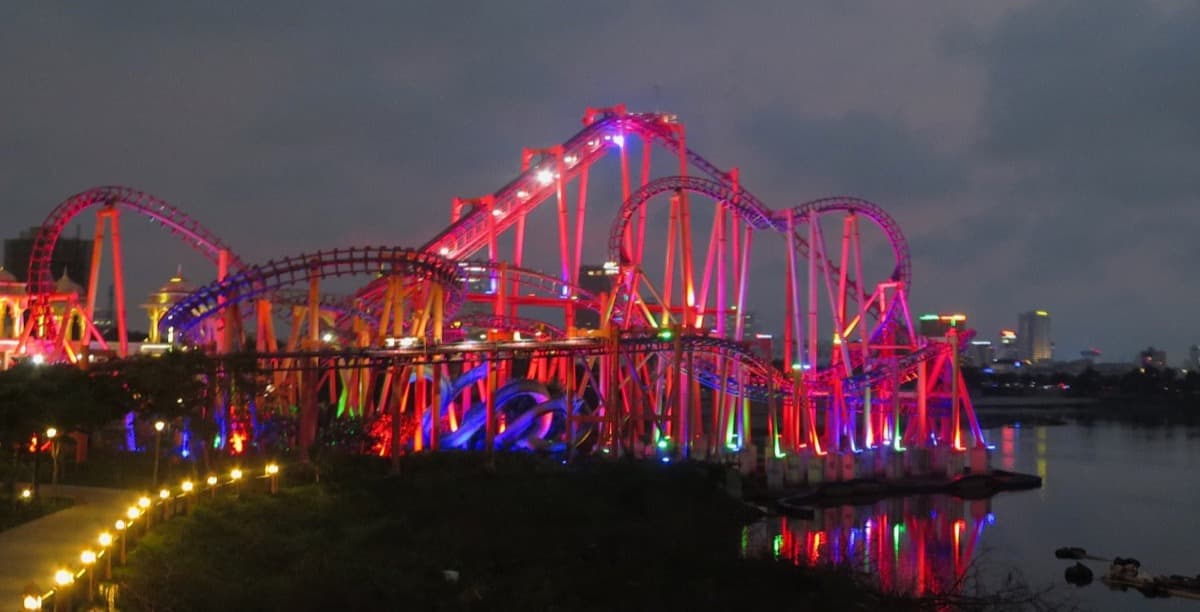
This park is a combination of funny attractions, beautiful gardens, reproductions of representing constructions (e.g.: Angkor Wat), restaurants and a souvenir shop.
Information about the Asia Park in Da Nang
Here below you will find some details related to 2019.
How to reach the park
The easiest way is to go there by taxi. From the Dragon Bridge to the park, it takes approximately 10 minutes and the cost is about 4 $.
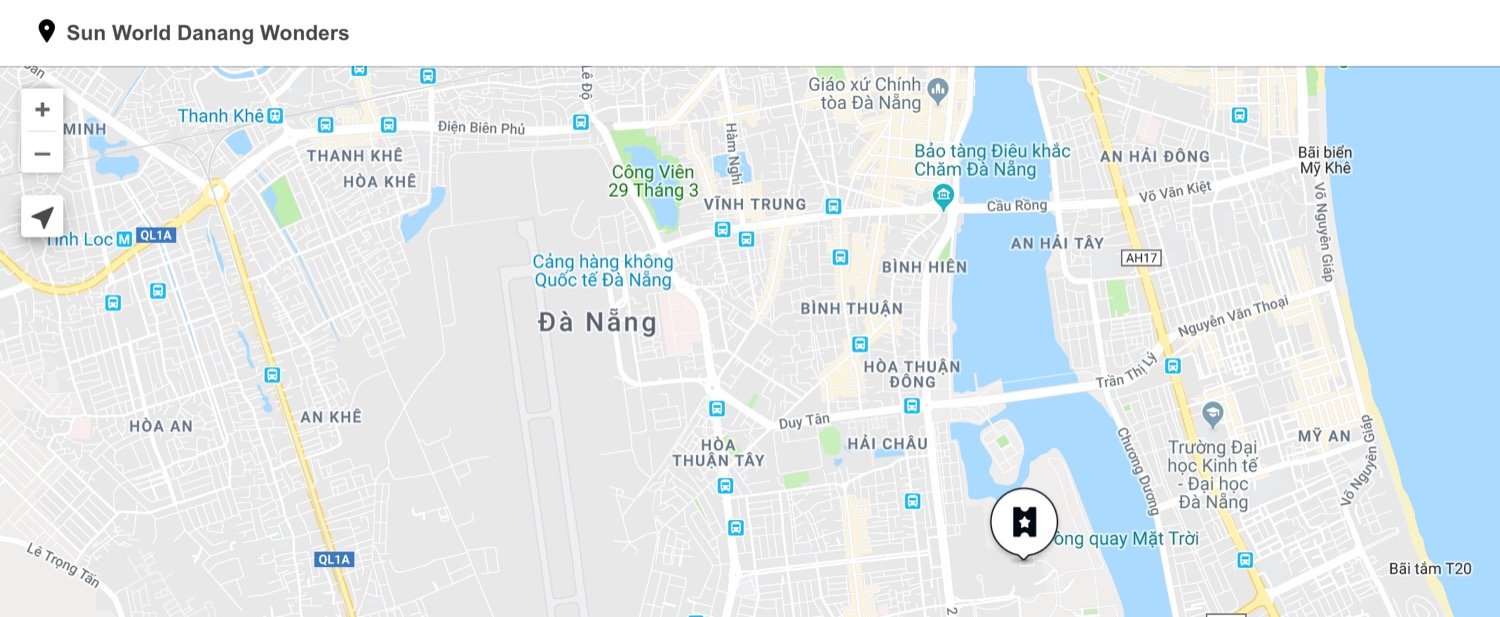
If you have a bike or a scooter, you can easily go there for free.
Opening hours
The park opens at 3 pm, but be aware that few attractions open later or have time slots. It means that they run for 1 hour, and the hour after they are closed. Working hours are mentioned in front of every attraction.
The closing time is 10 pm.
Entry fee
The entrance is 7.50 $ per person, and it includes all the attractions. You have to pay extra only for the food.
The Asia Park
We arrived there at 3 pm. With us, there where few other people therefore in one minute we bought the ticket and entered the park.
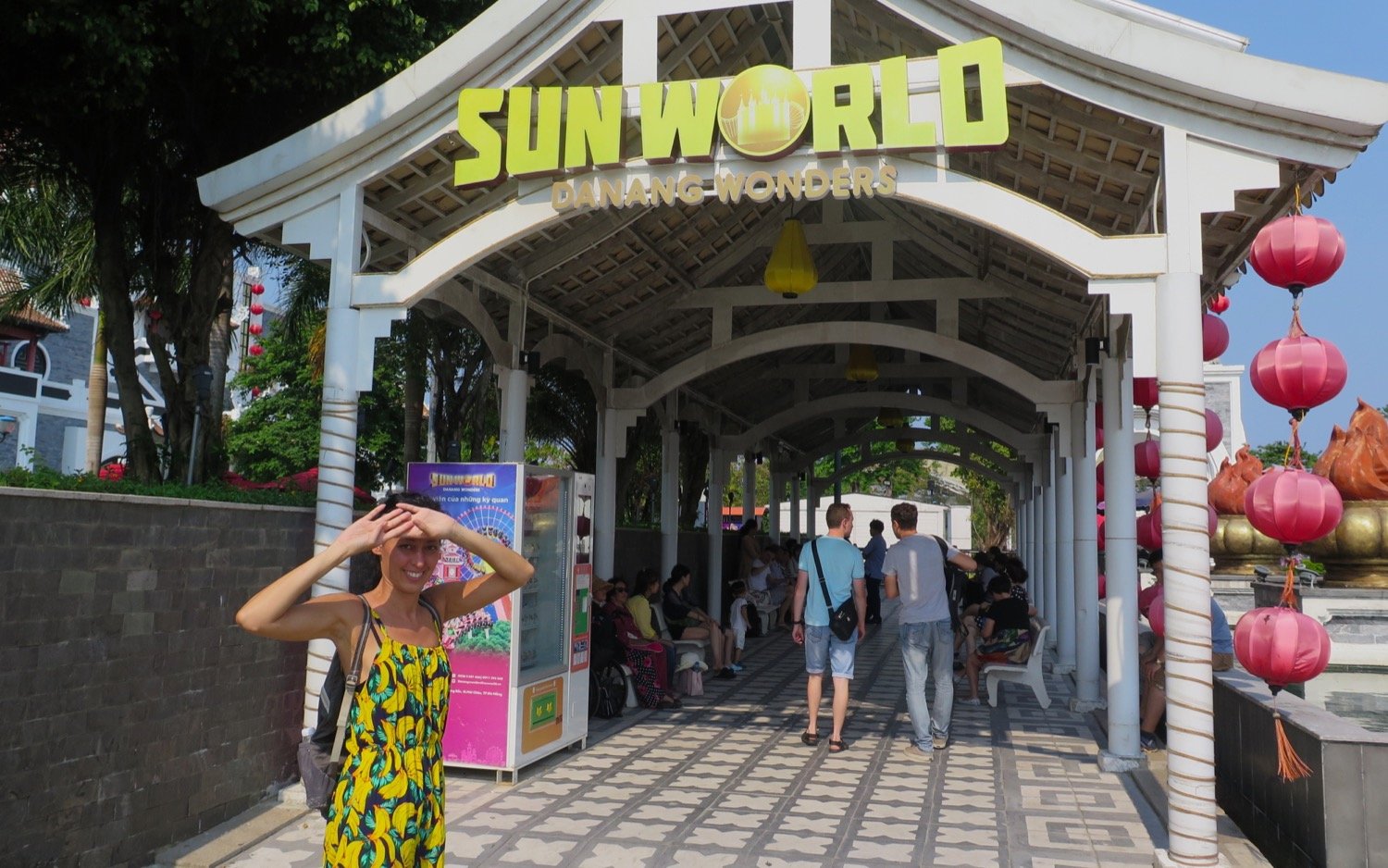
The lady at the cashier told us that a couple of attractions were closed for maintenance and a few others were opening at 4 or 5 pm.
Once passed the entry gate, well… we had an entire and empty park in front of us. The park is suitable for both adults and kids, it is quite big and you have a great choice for your entertainment.
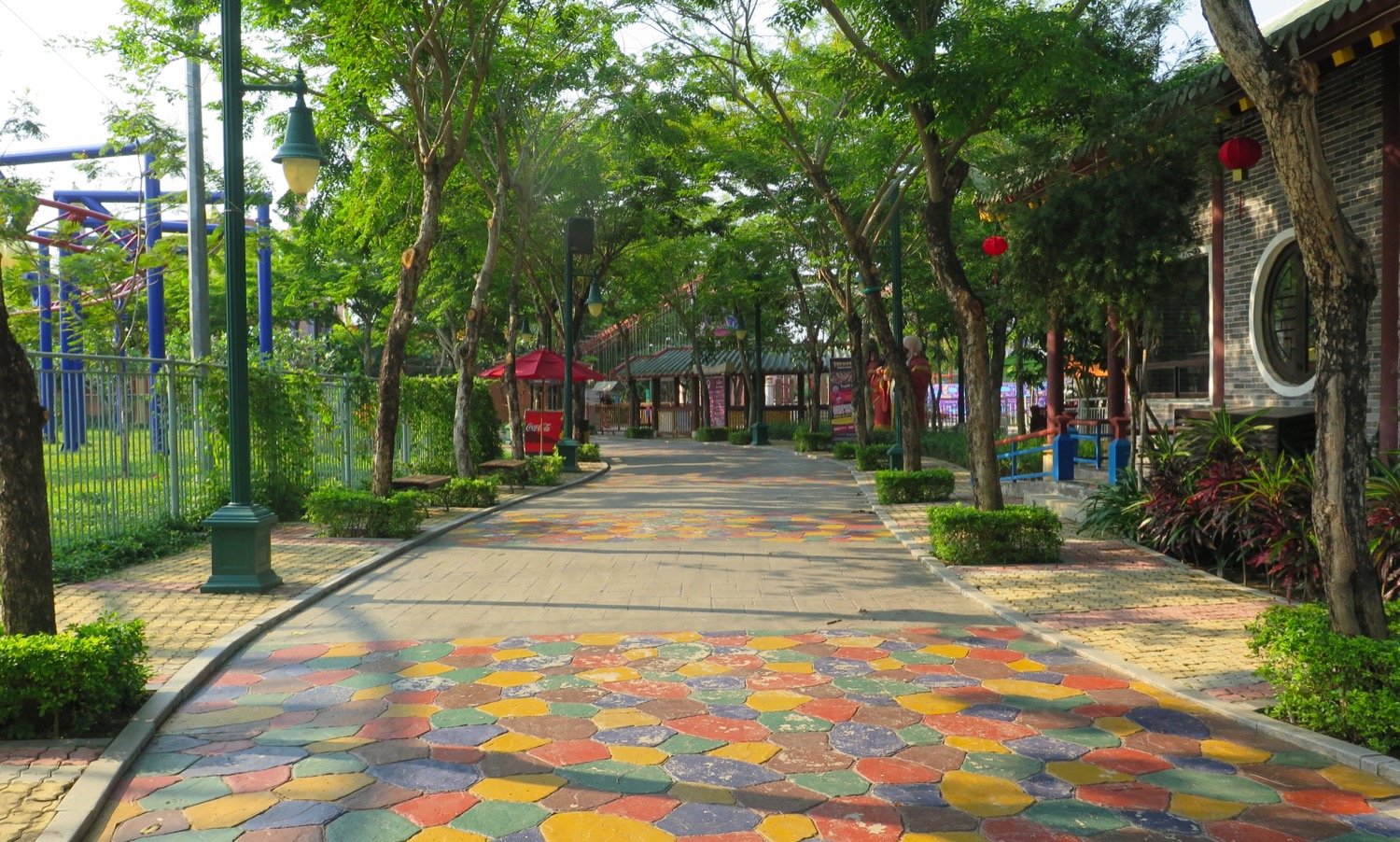
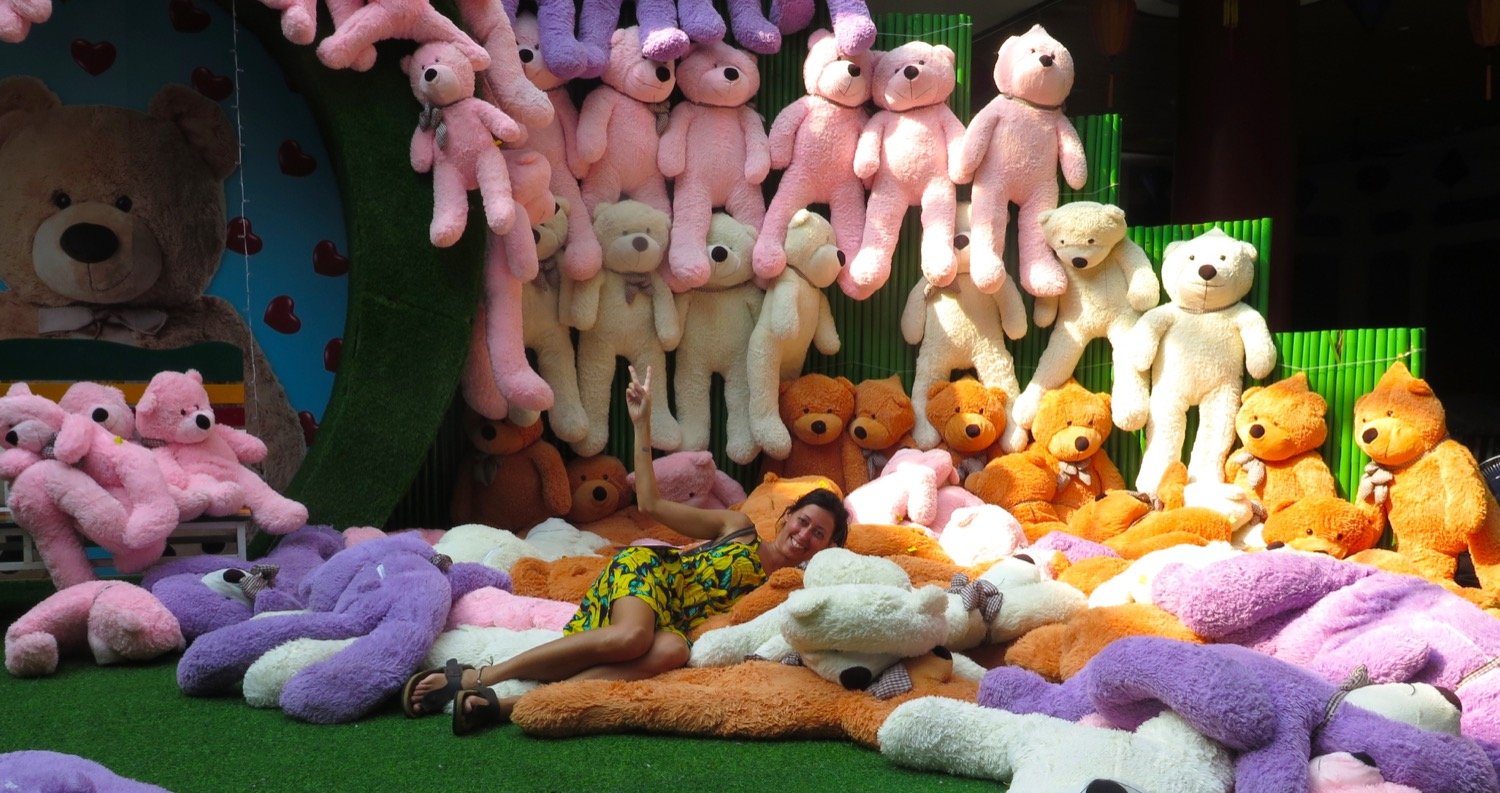
But, what an awkward feeling!
It never happened to us to be in an amusement park mainly by ourselves: no one else on the horizon and no queue anywhere. It was too good to be true! Even if, now and then, it felt like being in a horror movie. We expected a sudden scary scene at any moment.
Thanks to the map received at the entrance, we started to walk in the desired direction.
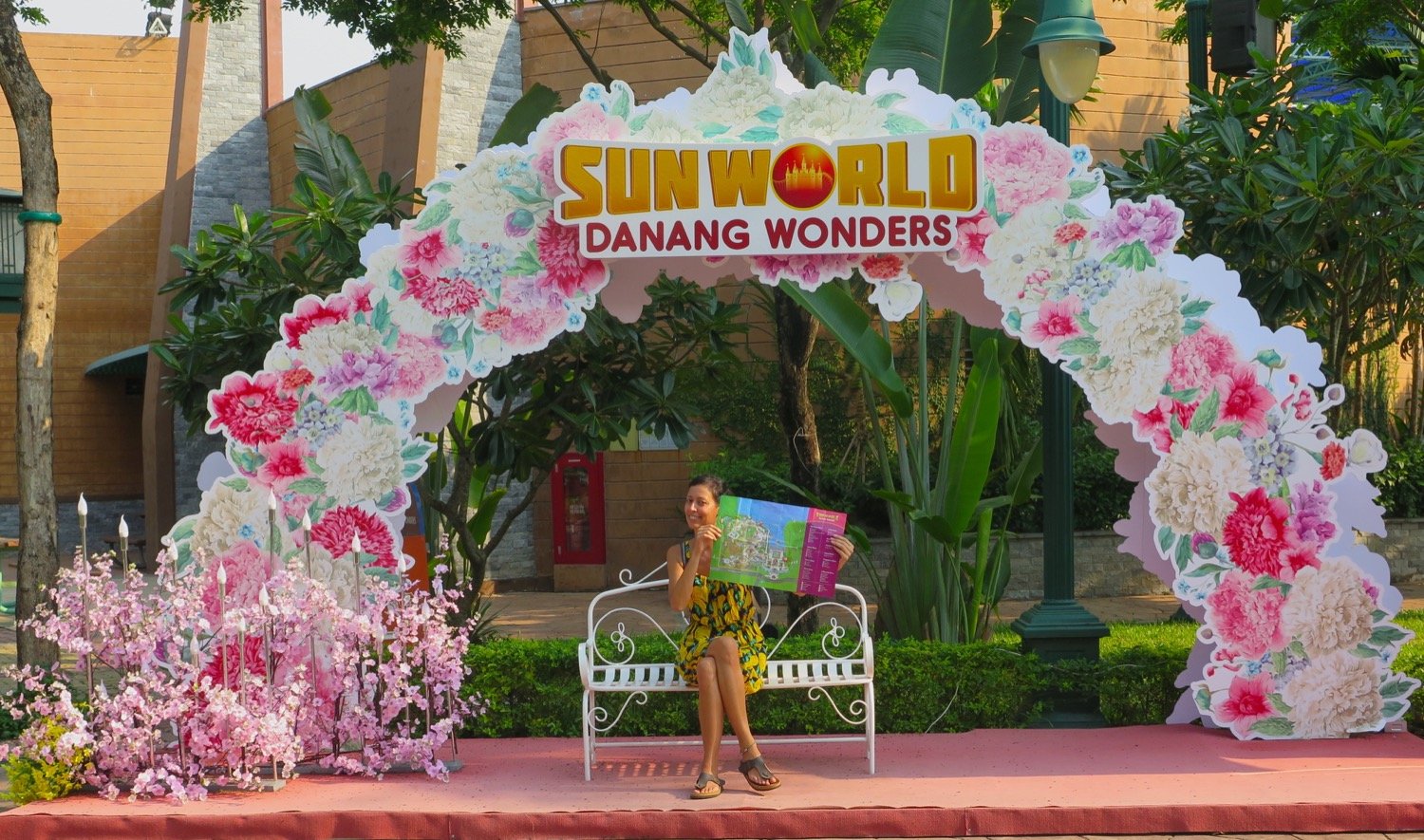
The attractions
The first couple of attractions were still closed, and a few others were not interesting.
Afterwards, something strange happened. We run into a magnet of bad luck as we had been rejected by every attraction we approached, with surreal excuses:
- you are not wearing the right shoes
- we will close in 10 minutes
- we will open in 10 minutes
- you are too tall
- you are not a kid
- we are having a break
- no no no... (without specific reasons)
And we started to get a bit pissed off. "How is it possible that nothing works in here, but the park is still open to the public?".
We kept meeting the same 2-3 groups of people, who had our same expression on the face. Then finally we decided to go the Sun Wheel, that seemed to be one of the tallest Ferris wheels in the world (115 m).
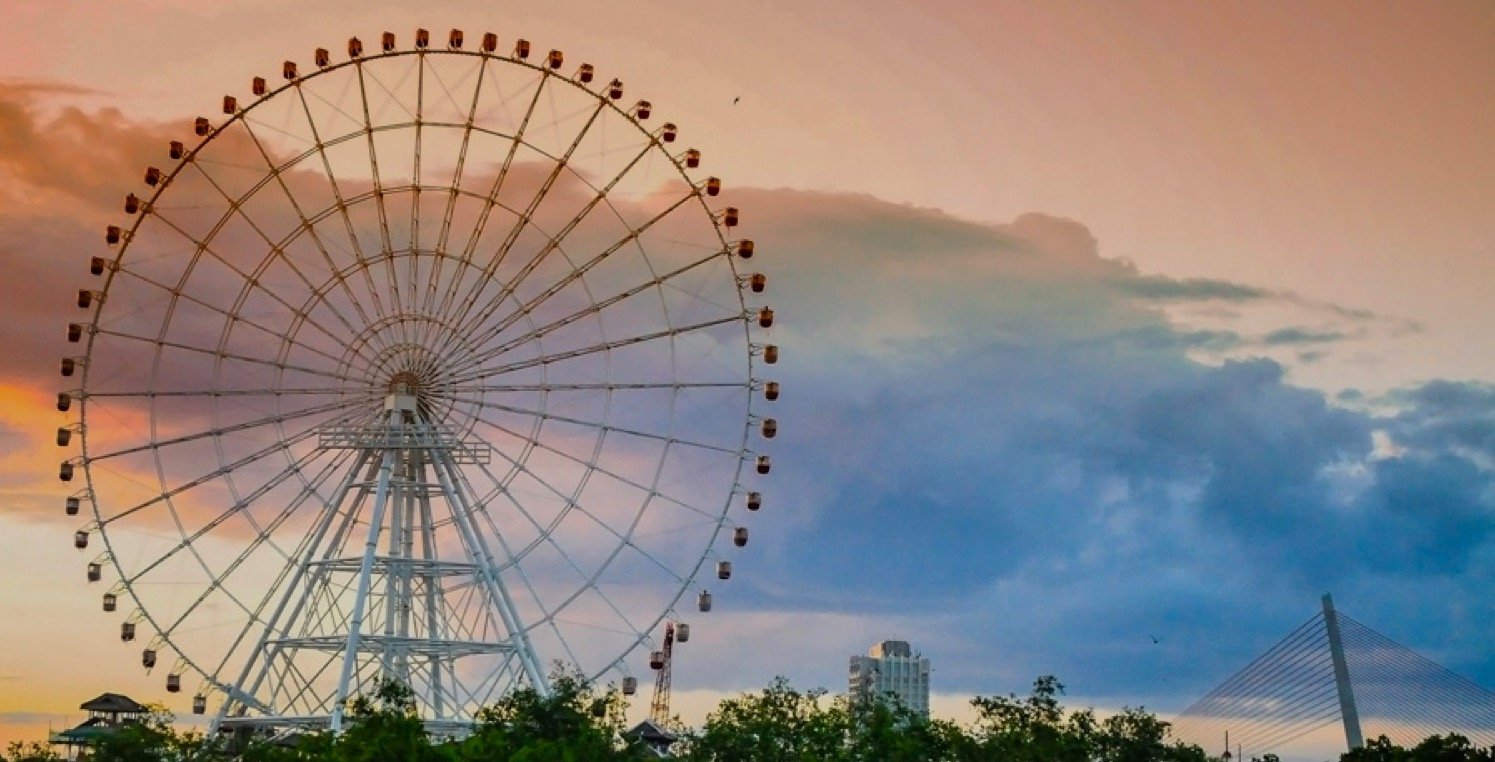
To reach the attraction, you need to take a long escalator up. We were completely alone there, and we thought that maybe the wheel was not working, too.
We found out that it actually was running, but very, very slowly. For this reason, we had plenty of time to jump into our cabin.
The Ferris wheel is not advisable if you are dizzy, as on top it is shaky, and you don't really feel safe... But it is worth a tour (above all if you think how much would you pay for the same tour in a western country!)
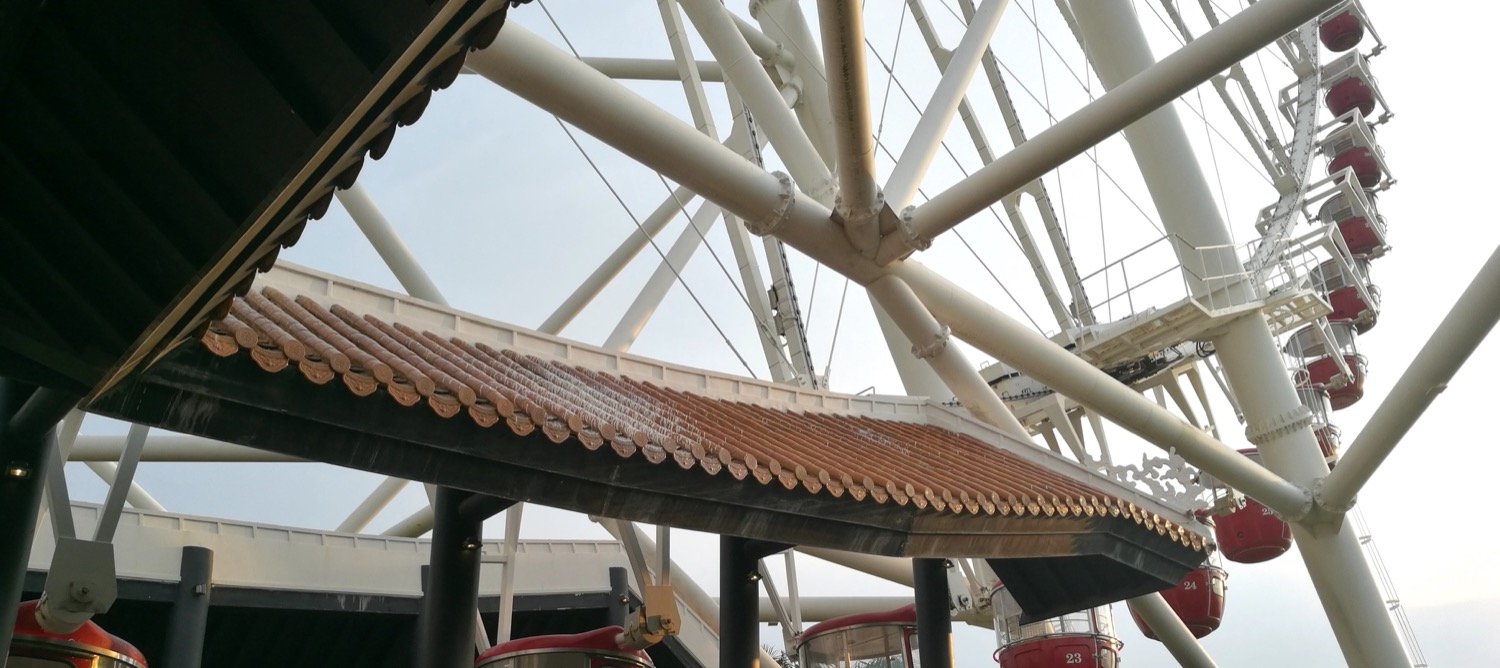
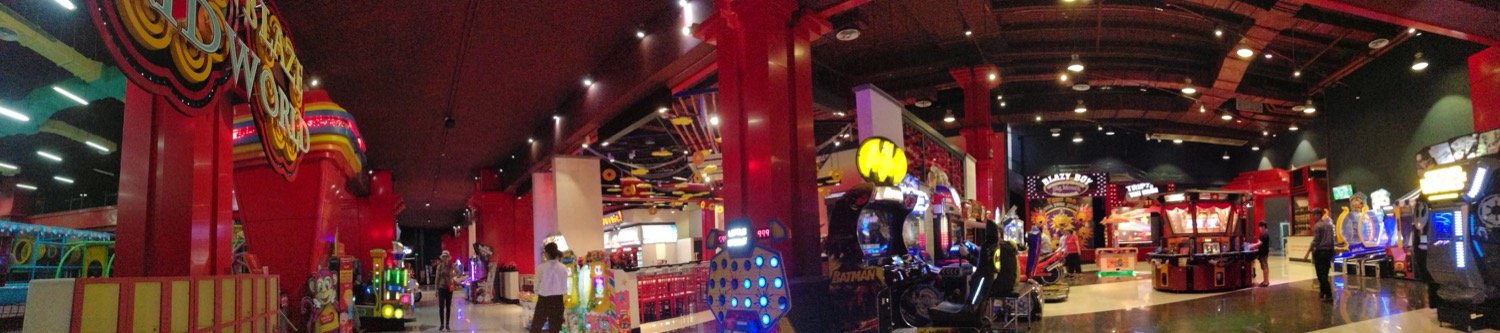
When the wheel ends, you need to take another long escalator down, and you end up to be in a huge arcade, obviously deserted. All video games are free of charge, so you can enjoy all of them (when they are working). Even the staff plays for entertainment.
The following attraction was one of the roller coasters. The staff told me to come back in 10 minutes. When I came back, there was absolutely no one else there, I was the only one and the guys ran it only for me.
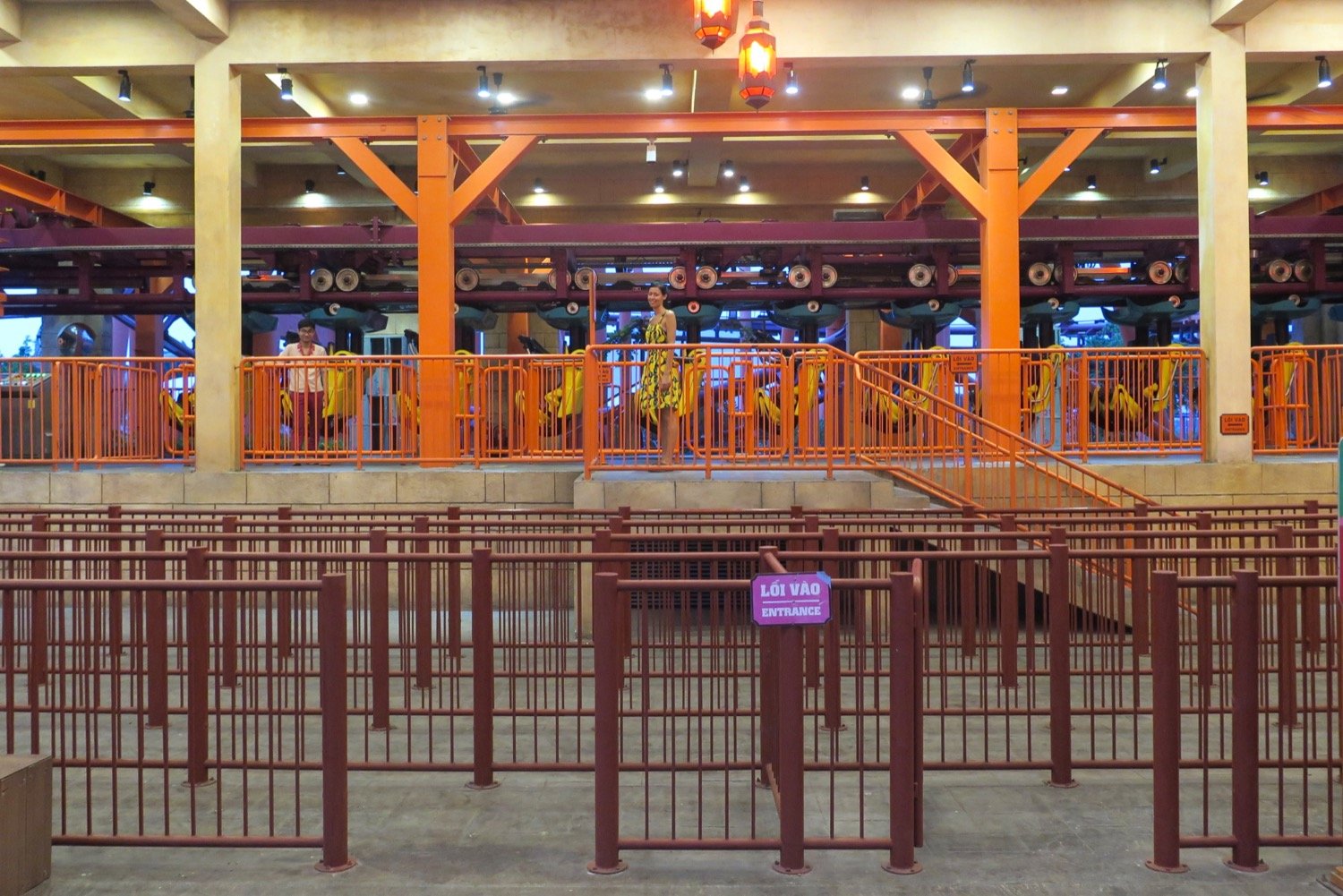
The staff welcomed me when I arrived, they waved when I departed and when I came back.
There are a few more attractions, there is also a monorail going around the park and allowing you to see the landscape from a higher level. This is a great option if you would like to take some pictures. Enjoy it!
Conclusion
This park, which is very famous in entire Vietnam, is kind of awkward and sometimes it looks abandoned. It gives you this feeling of vintage loneliness. But this is probably what makes it so interesting and so worth a visit! In addition to that, the entrance cost is derisory so you should definitely go there and spend a few hours having fun!
Da Nang Restaurants: Favourite Places and Cafes
Before discovering my favorite Da Nang restaurants, let's have a look at the culinary scene in Vietnam.
Considered one of the healthiest and most balanced kitchens in the world, it is also a cultural moment in Vietnamese daily life. Vietnamese kitchen is influenced by Chinese traditions, and you can experience that in every local meal.
Food philosophy
There is an entire philosophy behind it. Vietnamese dishes are a combination of taste, fragrance and colour. And a combination of liquid, powder, mineral, protein and fat. All five senses should be involved: color stimulates the sight, crisp attracts the hearing, spices stimulate the taste, aromatic herbs stimulate the smell, and finger food stimulates the touching.
Vietnamese kitchen is based on the concept of "the five elements", which represents our five main organs, five different colors, tastes and feelings. If you include every element in your dish, it means that you are eating a healthy dish.
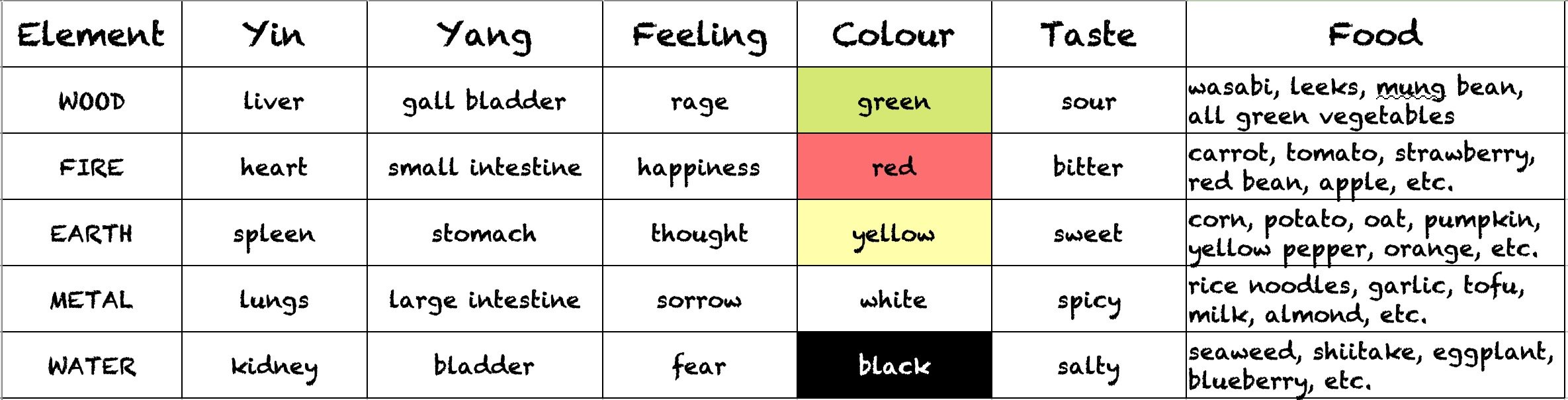
It is the same concept of Yin and Yang. In this case, a balanced meal means a healthy body and mind.
Local cooking
Vietnam's cuisine is known to be very spicy, this means that they use many spices and aromatic herbs when cooking. Meat and fish (including seafood) are almost always present and served with rice, noodles or soups. Food can be deep-fried, stir-fried, dry-fried, steamed, stewed, slow-cooked, clay-pot cooked, grilled, sautéed, roasted, in soup, and so on.
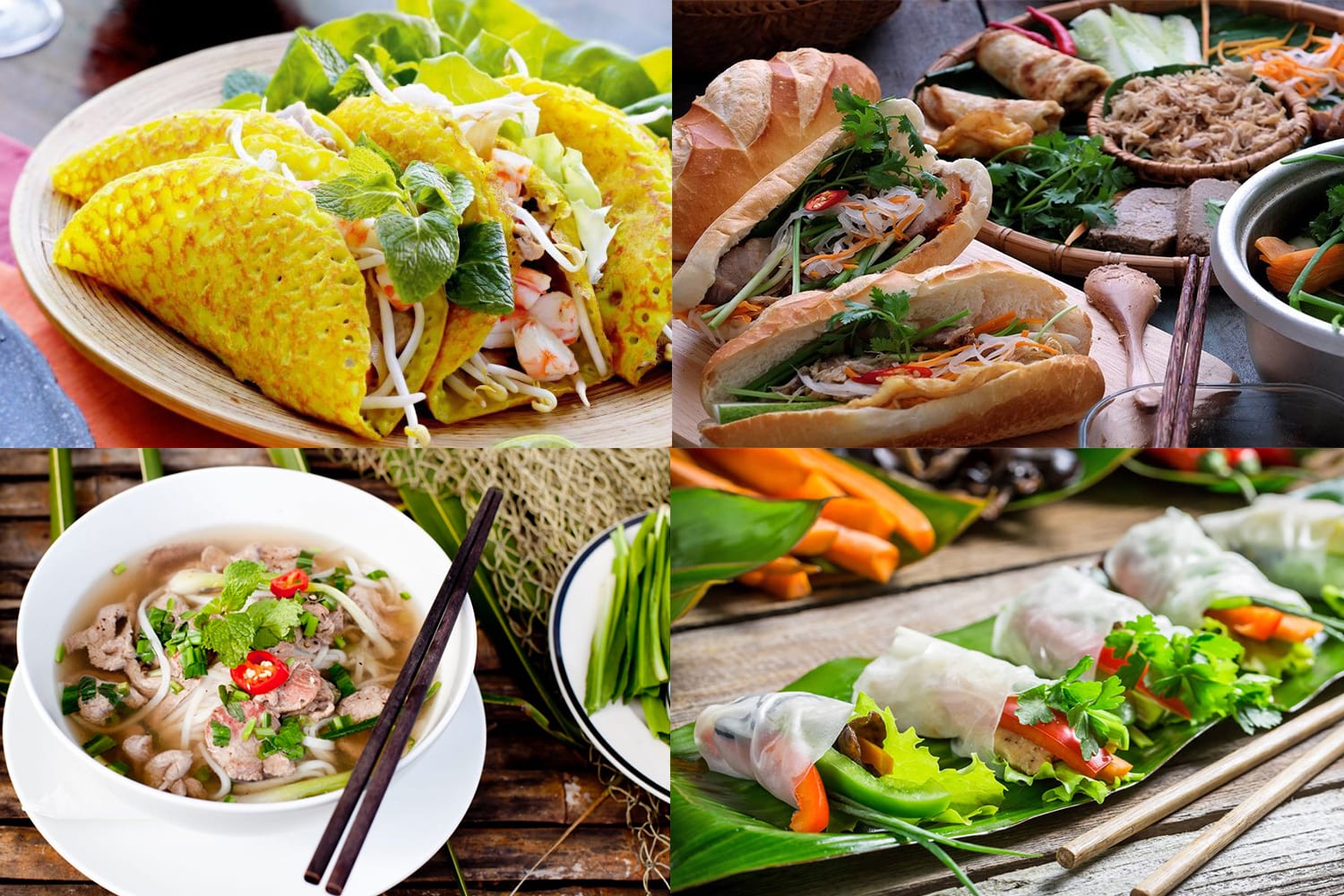
It is difficult to describe flavours, you just need to taste. As our guide in Ho Chi Minh used to say "you don't know if you don't do". So true!
Restaurants in Da Nang
In a popular and modern destination like Da Nang, there are many restaurants, but there is also street food. Both offering local and international foods. The meals' prices vary a lot, you can find cheap eats (and good quality), but also refined cuisine. It all depends on your desires.
We were impressed that sometimes street food was more expensive than restaurants.
Vegan Restaurant
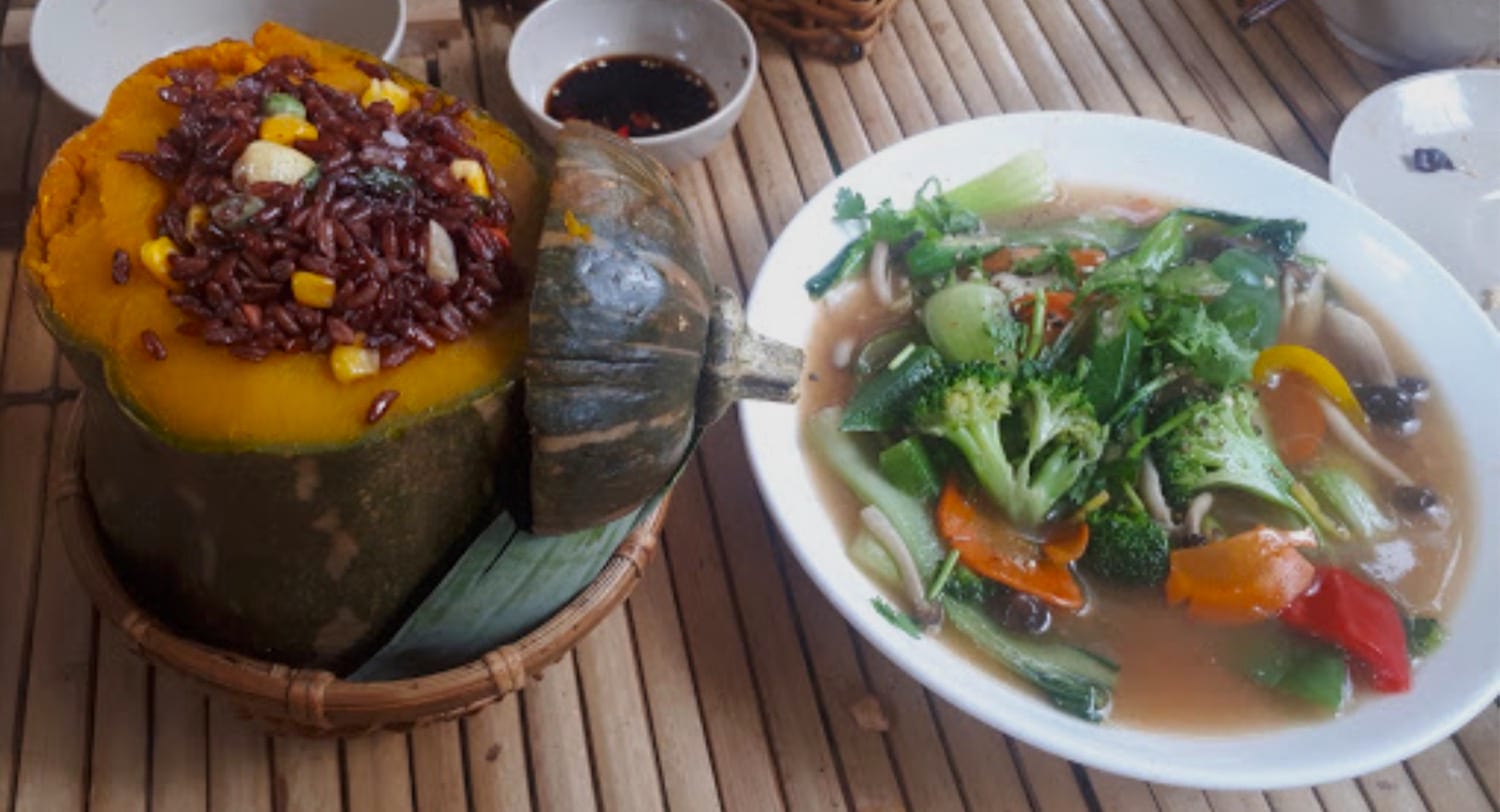
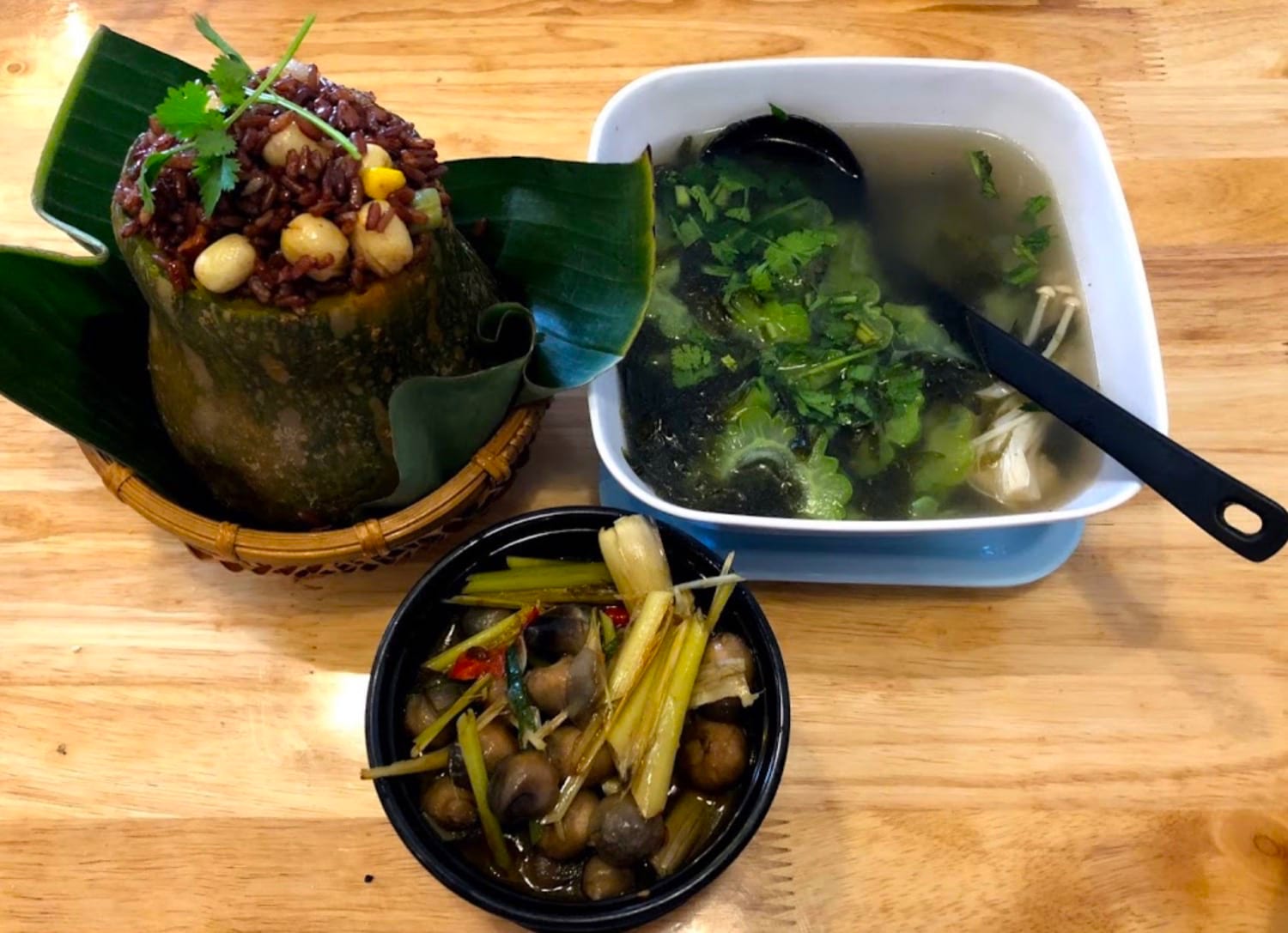
One of our favorite restaurants was this little vegan restaurant, located in a secondary street. The place was really nice, and the atmosphere was zen.
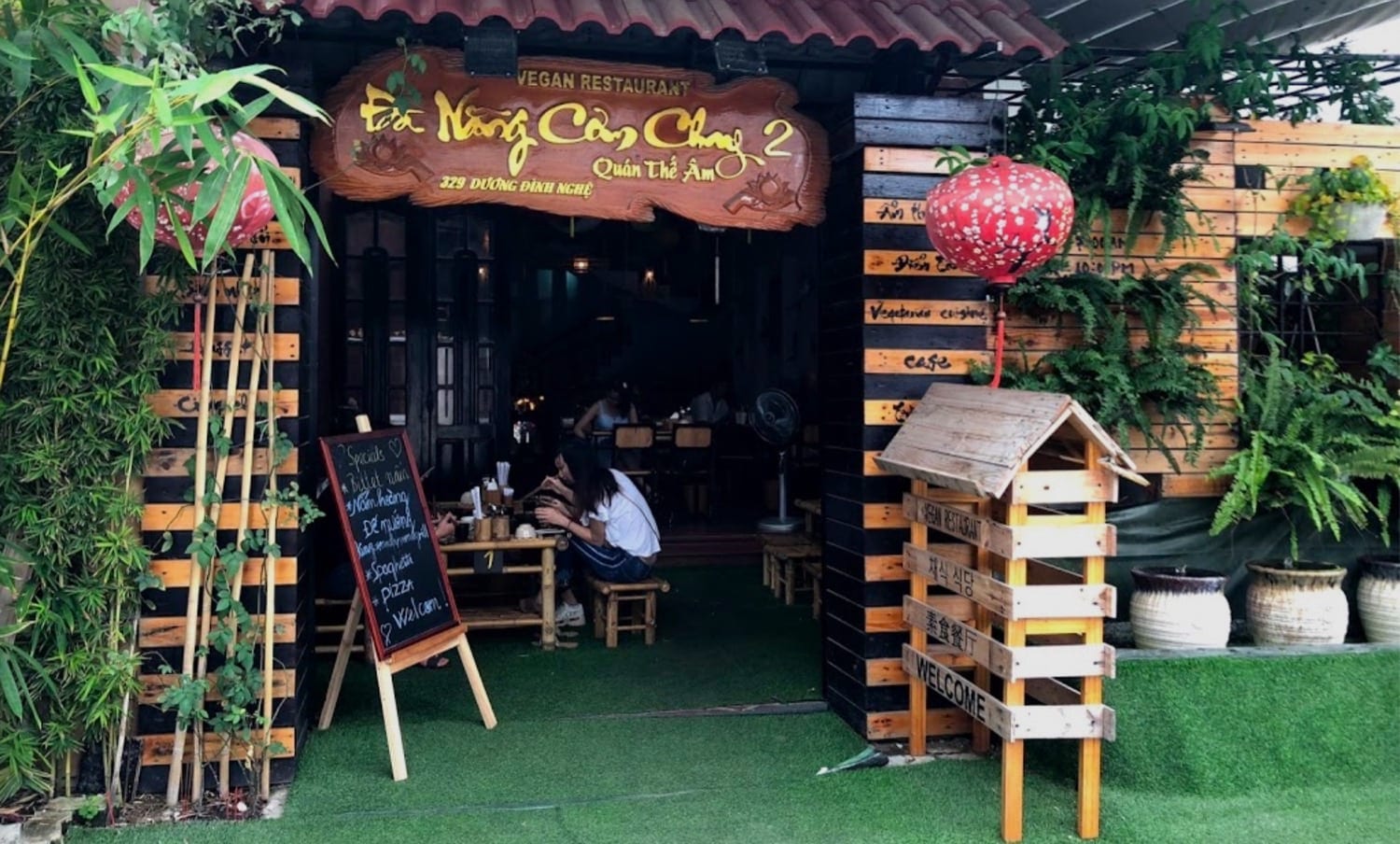
They had quite a big menu, offering many options. You could eat for 2-3 $ per person, and have a full dinner. The brown rice with pumpkin was so delicious, one of the bestsellers! Good taste, good price, definitely recommended!
Unfortunately, it seems they don't have a website...
4P Restaurant
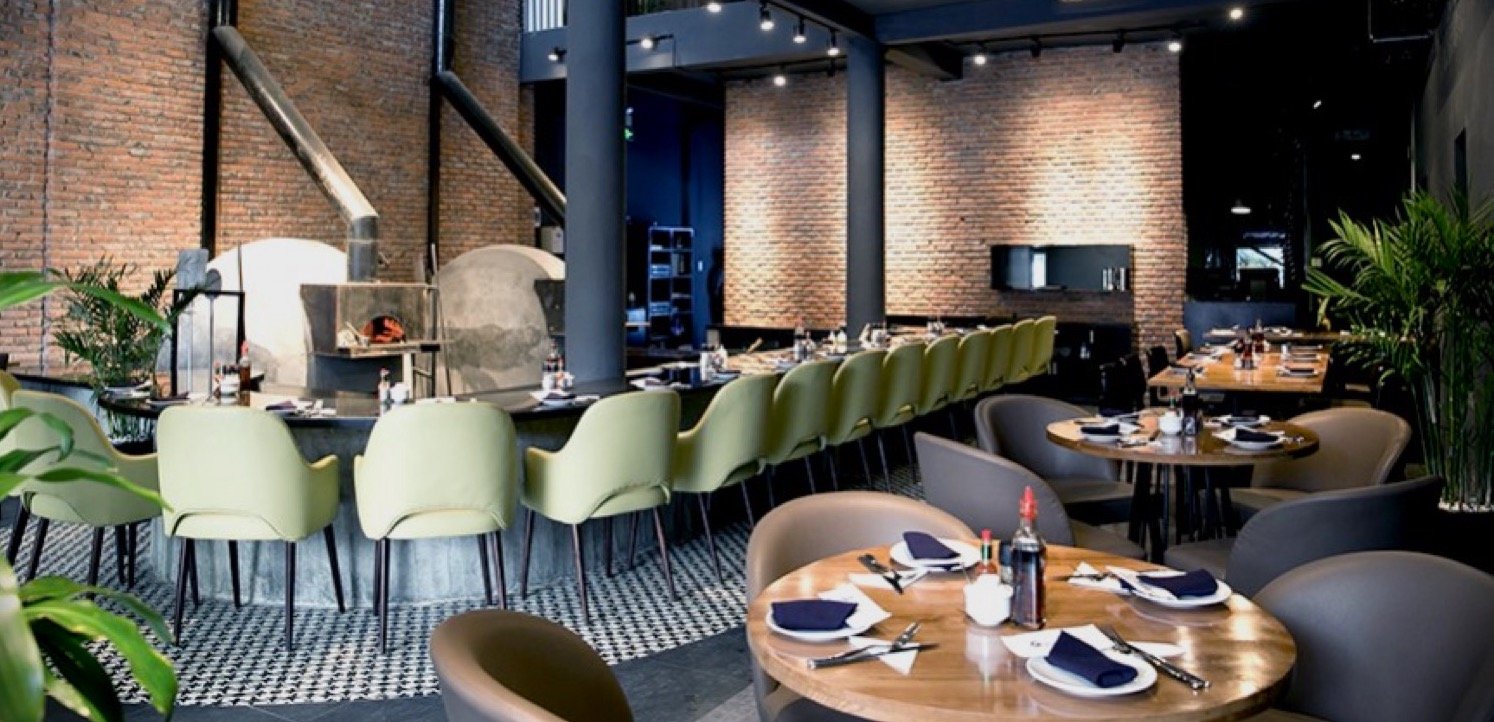
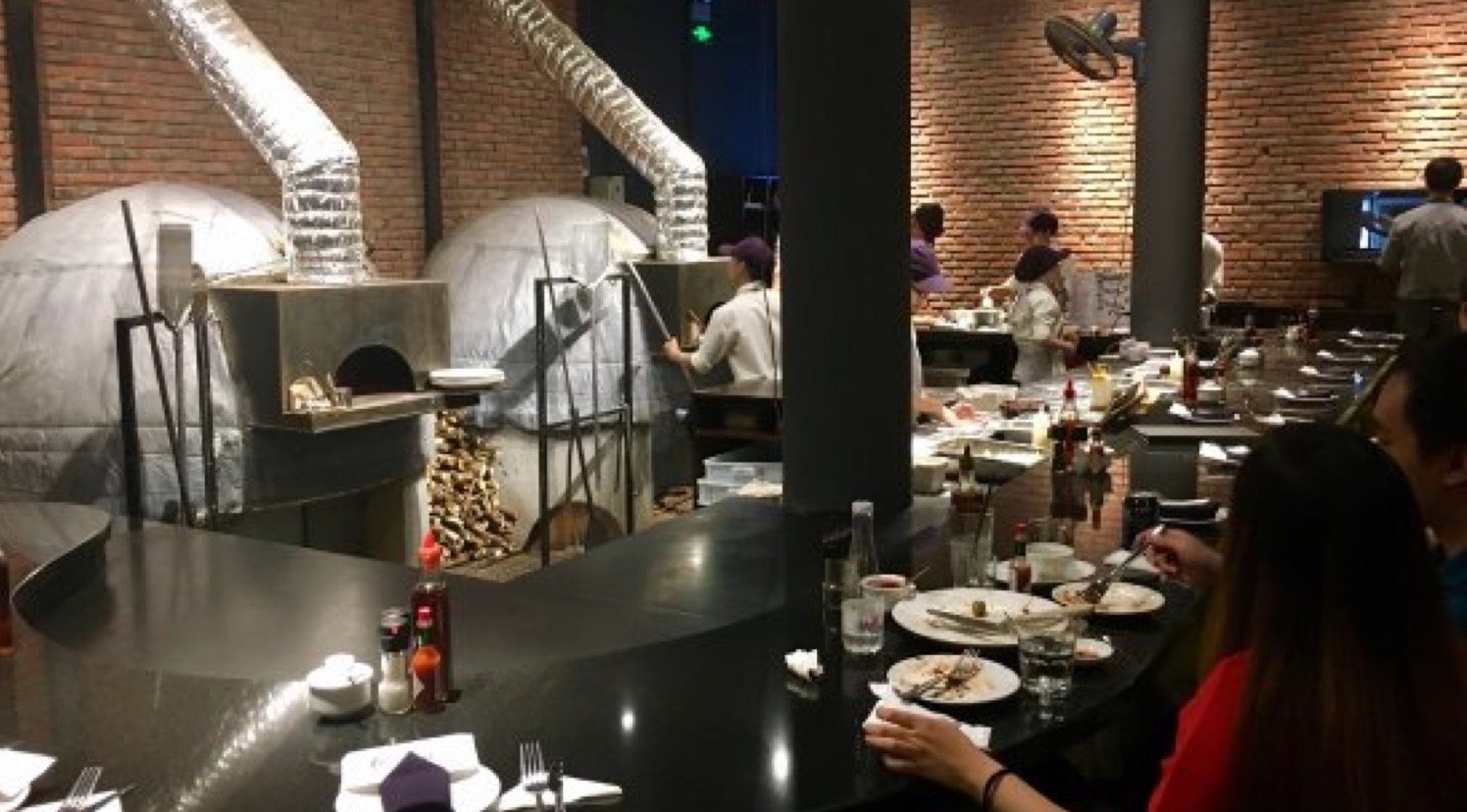
If you feel like having an Italian dinner, we highly advise visiting the 4P restaurant. It is very popular, so you need to book in advance. There, we had the best pizza and pasta of the entire Vietnam. Ovens are in the middle of the room, visible, so you see how pizzas are prepared and how much dedication cooks put in it.
The orders are taken via an iPad, and the interesting thing is that you can order a half-half pizza. If you are in doubts between 2 pizzas, and you can not eat both, well you can take a half-half pizza and taste both of them!
4P is quite expensive, but it is worth a visit if you need a little break from the Vietnamese cuisine :-)
Revolution of Mushroom
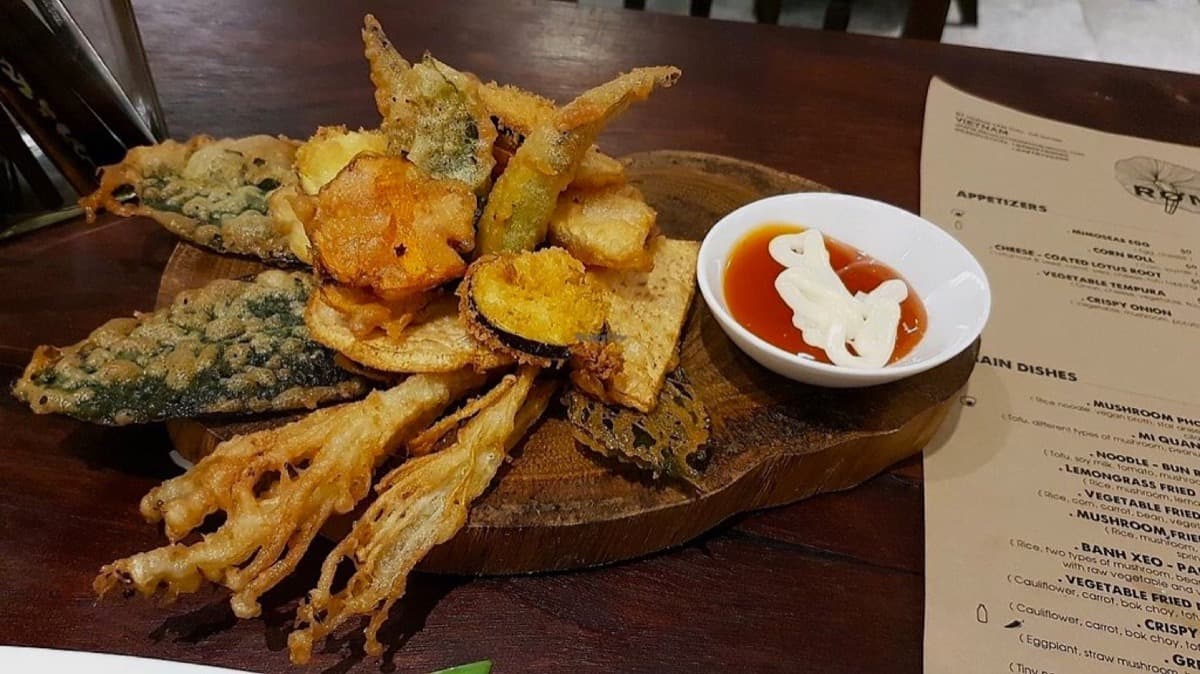
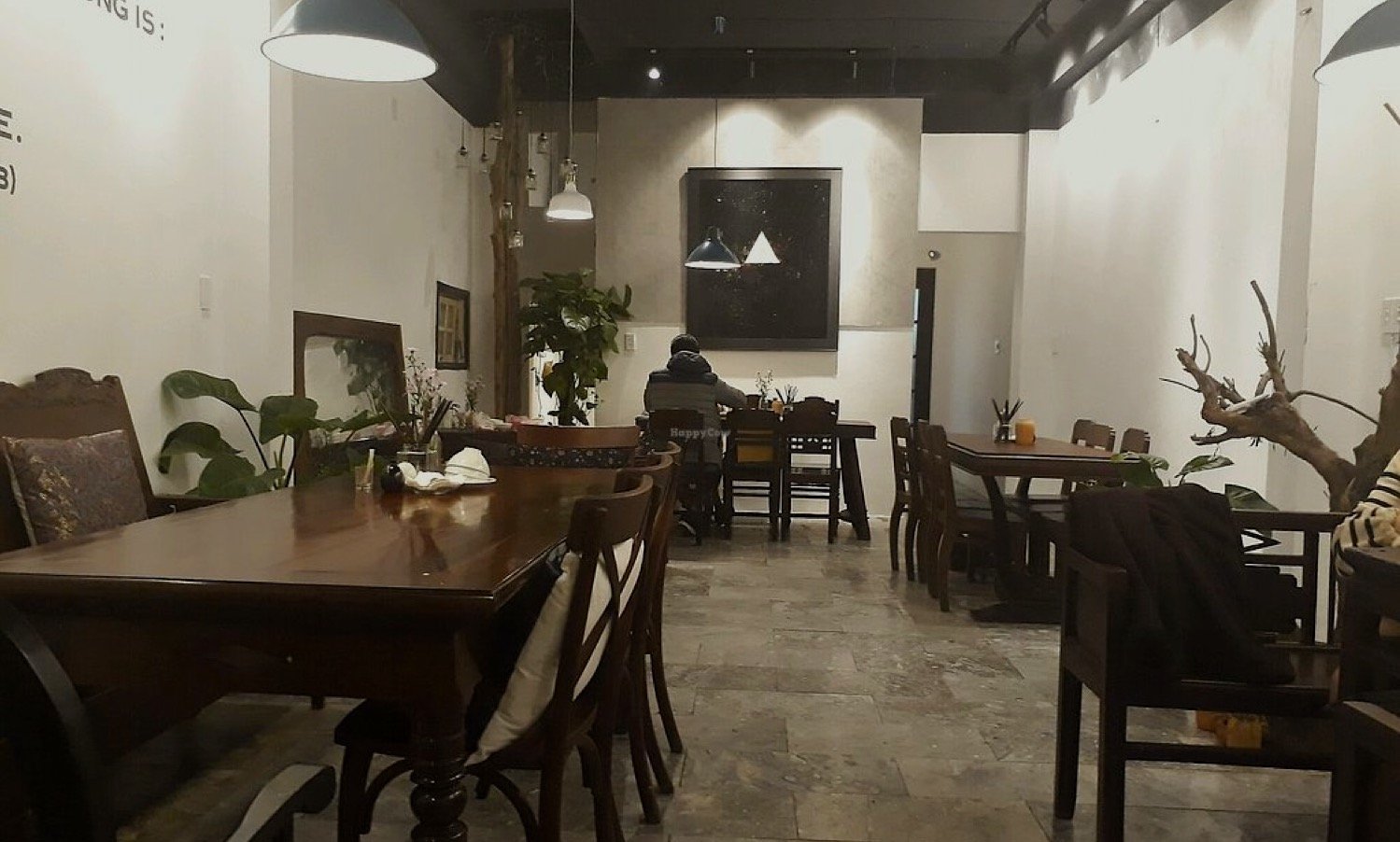
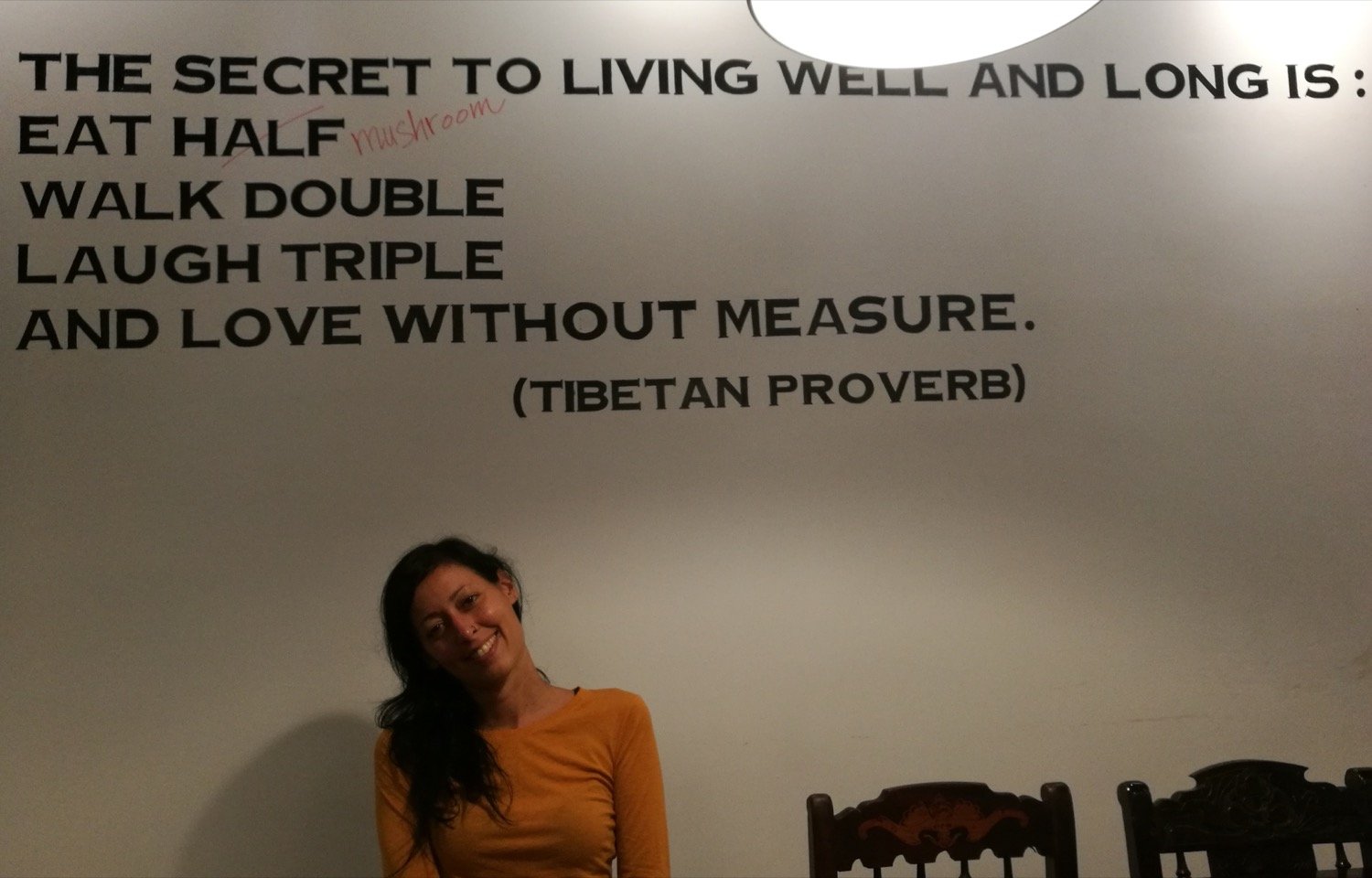
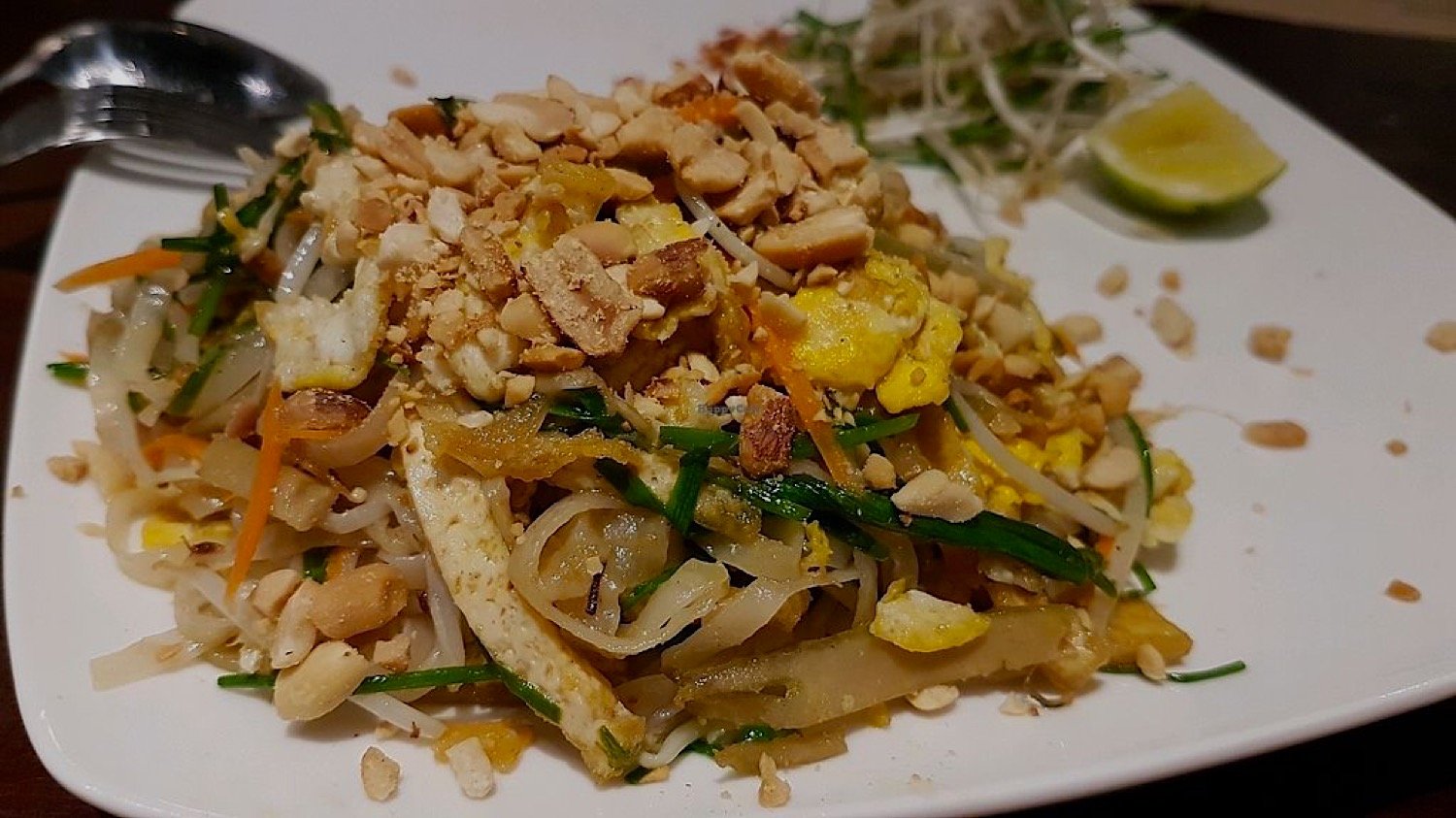
This is another vegetarian restaurant called the Revolution of Mushroom (ROM), not too big but the food was really tasty.
Cafes in Da Nang
Being a digital nomad and modern destination, Da Nang offers many, many cafes with WIFI where you can freely work. In addition to that, we must say that in Vietnam they drink a lot of coffee, in general. When you walk along a street, you will find so many bars that it is difficult to choose one.
Goblin Cafe
At Goblin Cafe we drank by far the best cappuccino ever had in Vietnam, and it is one of the best-decorated bars we visited.
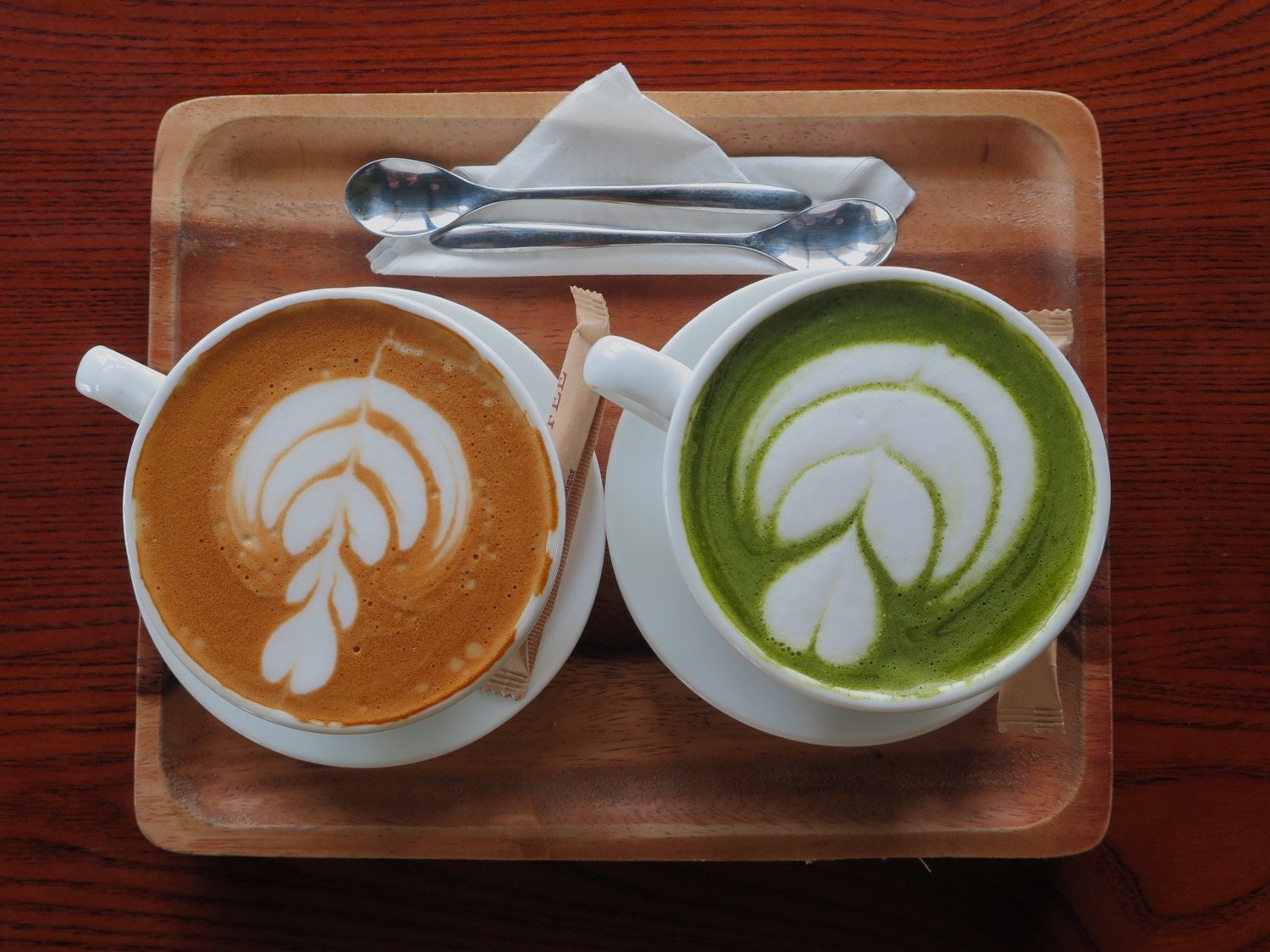
The bar is organized on two floors, and both are very well decorated and very welcoming. They have stable WIFI, so it is great to work there.
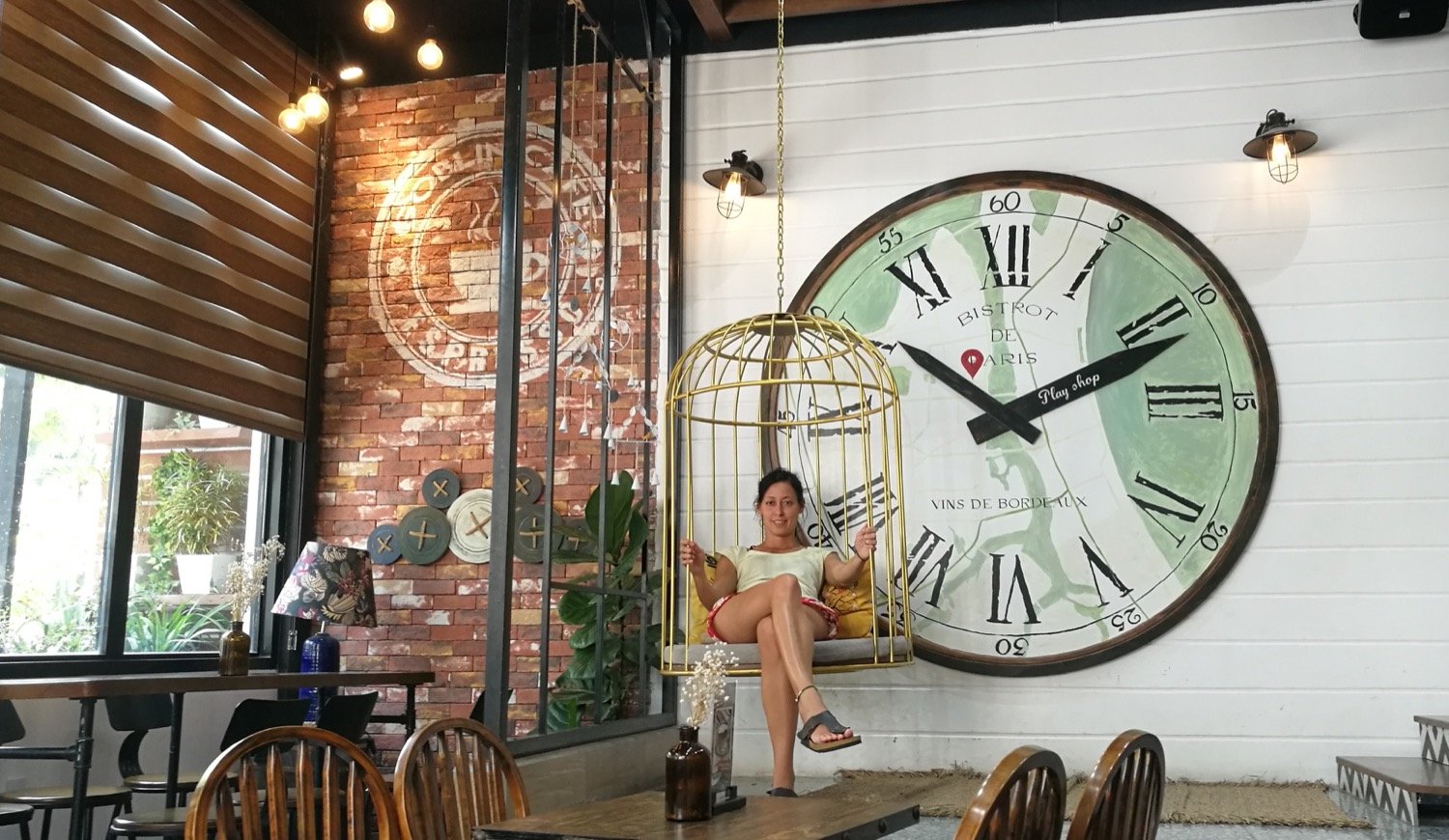
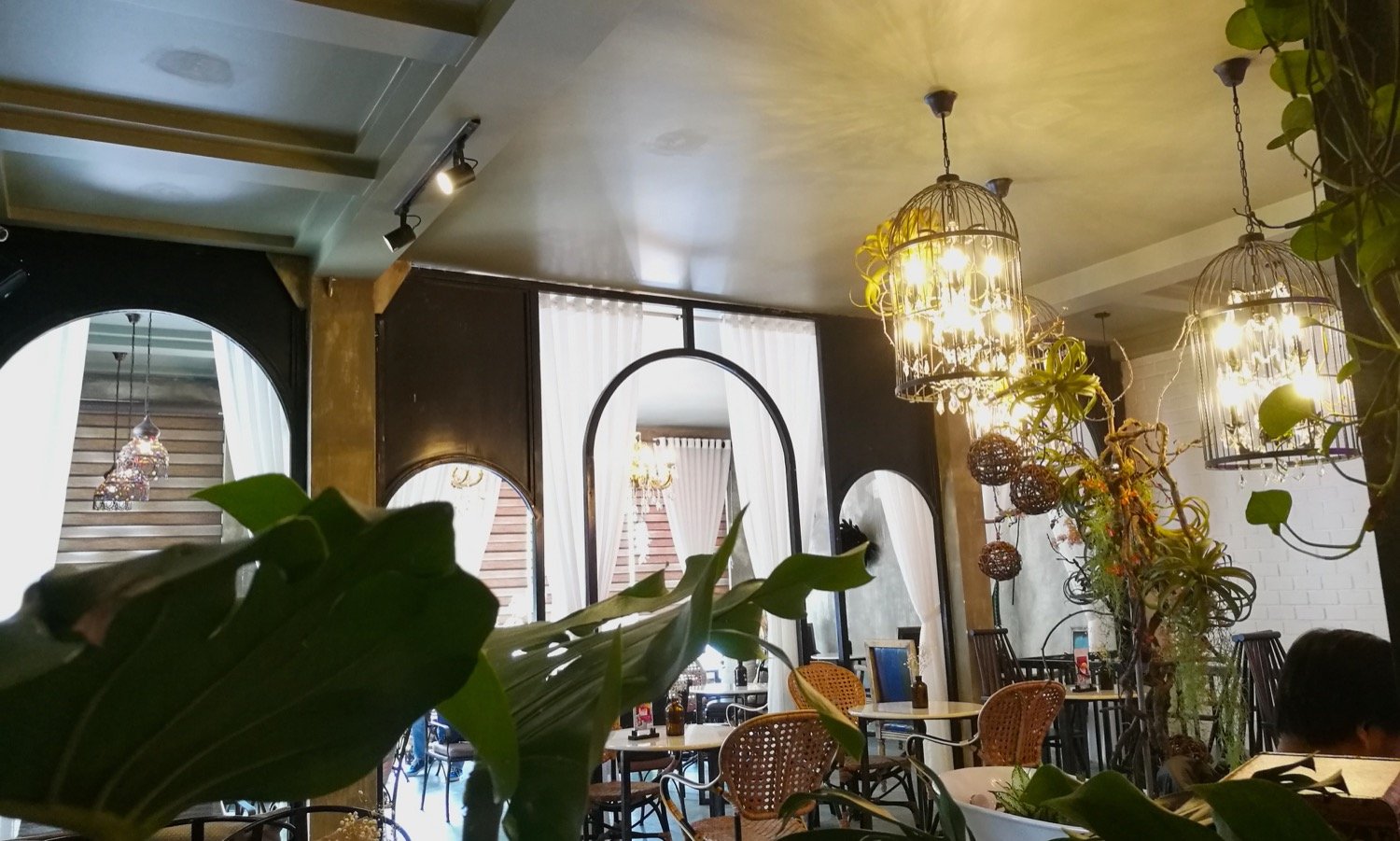
Goblin Cafe is located not too far away from 4P Restaurants. It is perfect if you want to have a coffee after a good dinner :-)
The Local Beans
This is a coworking space and bar, offering good coffee, space to work and a stable WIFI connection.
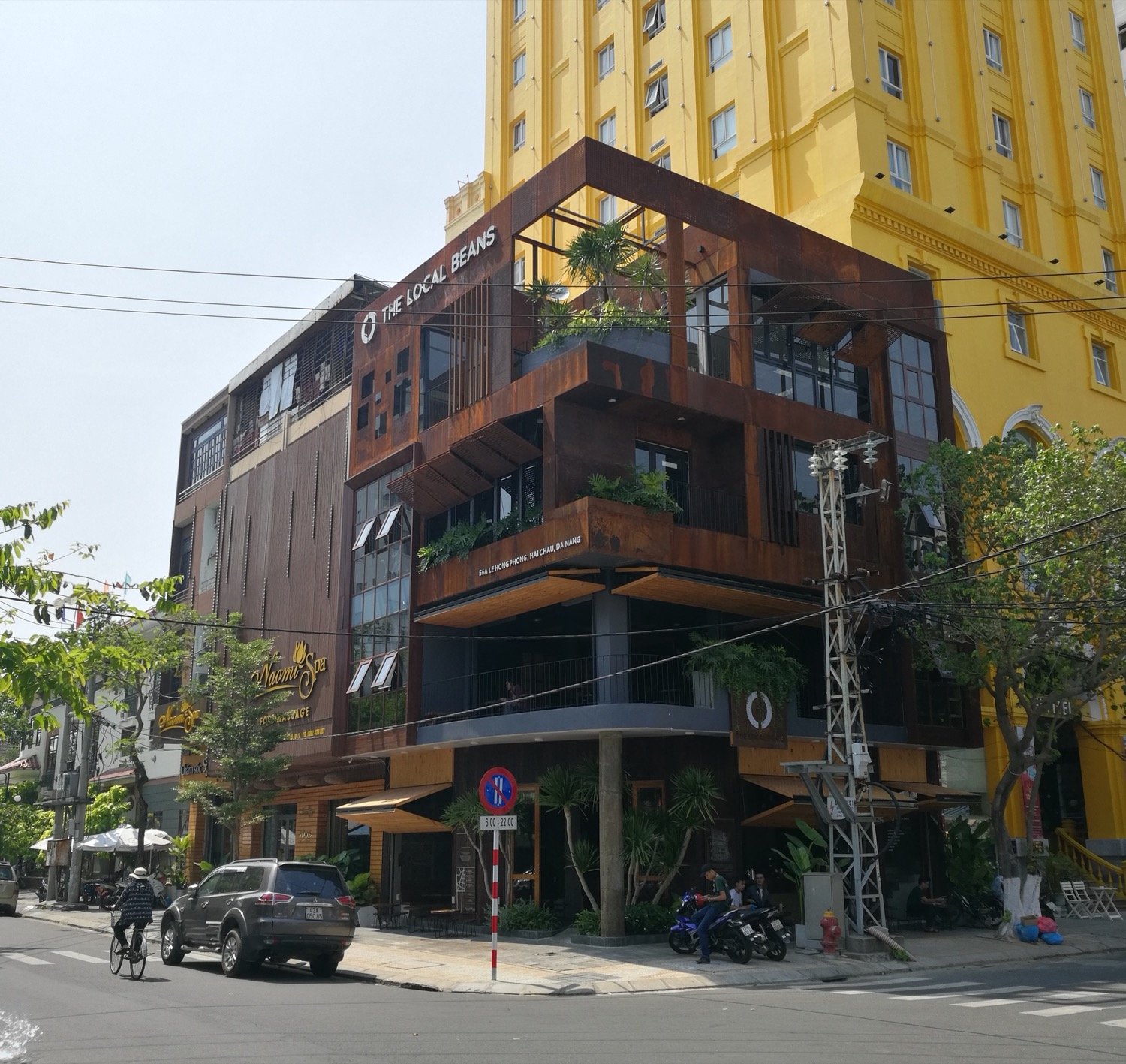
The only downside is that you are sitting outside. So, when it is too hot, it is difficult to work and concentrate. Despite that, it is a great place to visit.
These are only a few suggestions, but you have a much bigger choice if you search on the web. Enjoy!
Da Nang Travel Experience and Best Places to Visit
After a few days in Ho Chi Minh City, we decided to move forward to Da Nang.
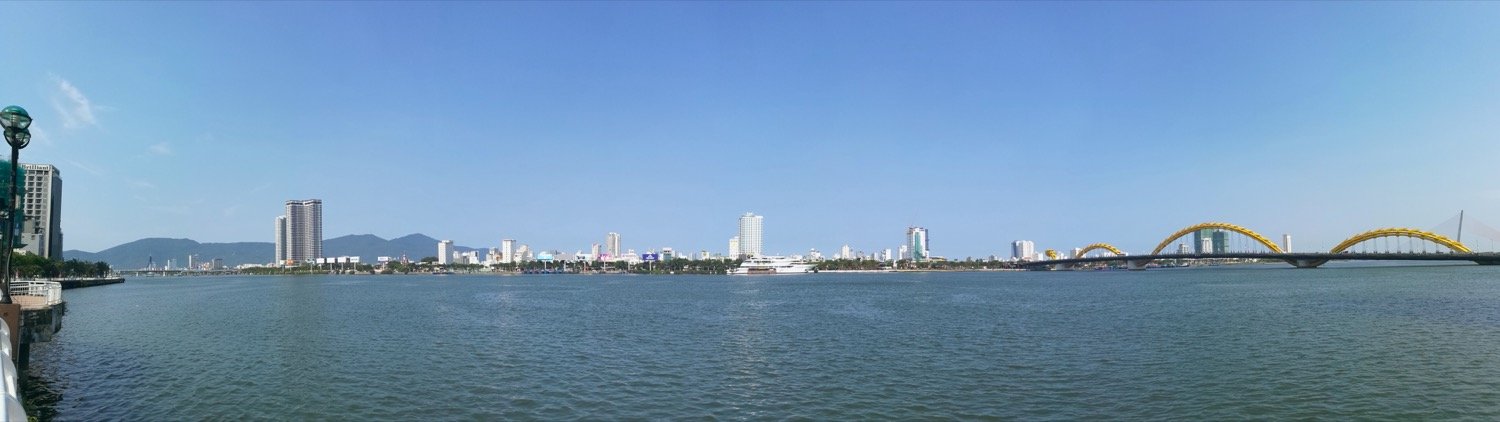
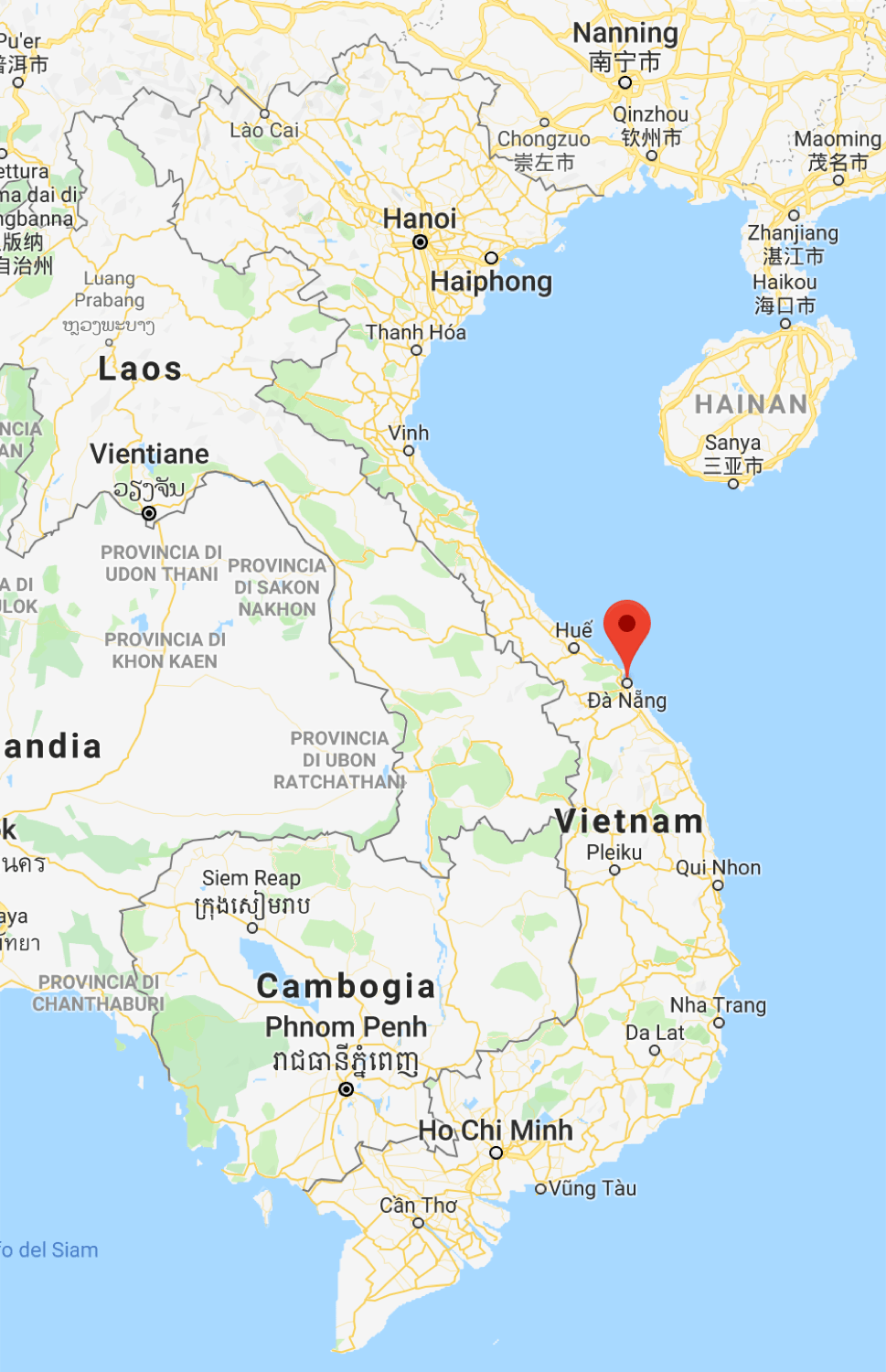
This city, located on the coast in central Vietnam, is nowadays very famous for its port, commerce and education. In the past, during the Vietnam War, it was well-known because it was the main airbase for both South Vietnam and the US.
It is located along the North-South Railway line, therefore you can easily reach any destination along it, between Ho Chi Minh City and Hanoi. We took the train around 7 pm in Ho Chi Minh and arrived in Da Nang the day after around noon.
If you have a 30-day visa, you have enough time to comfortably travel the country by train.
Very often, if you leave in the afternoon, you travel during the night and you reach your destination the day after. It is a sleeping train, so it is convenient because you travel while you sleep and, in the meantime, you save the cost of 1 hotel night :-)
We decided on Da Nang because it is becoming one of the top Digital Nomads' cities in South East Asia. Let's say that it isn't the most exciting and active city in the world and that it is more suitable for people looking for a peaceful stay. It is perfect if you need to stay focused on your job, without distractions.
It is much quieter and there is a lot less traffic compared to Ho Chi Minh City. People are very friendly, open to foreigners, they smile a lot. But there is still this little problem with English. It is difficult to communicate and it is sometimes frustrating because you are never sure that your message went through.
Except that, is Da Nang worth a visit? Let's find out what it has to offer...
Reasons why you should visit Da Nang
The beach
After Battambang (Cambodia), Da Nang was the hottest city we have visited. More than 35 degrees, and 90% humidity in the air. It is a relief to know that there is a beach where you can refresh yourself and enjoy a bit of holiday feeling.
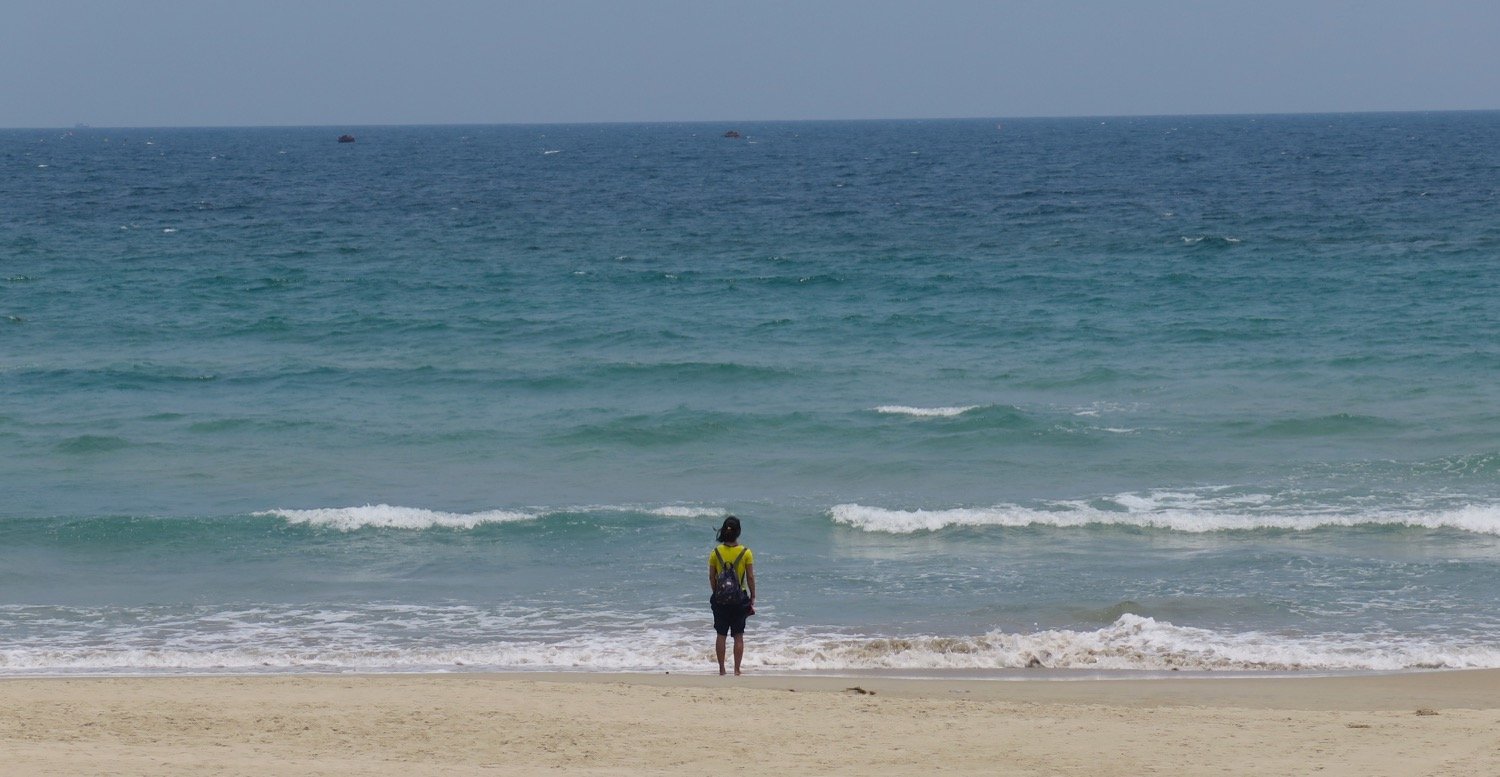
It is a "free" beach, called My Khe, but I must say that it is not the best beach ever. There are only a couple of bars and tents renting sunbeds. If you rent a scooter or a car, you can reach some further beaches. We didn't go there as we were coming from a 2-week beach holiday.
The Dragon Bridge
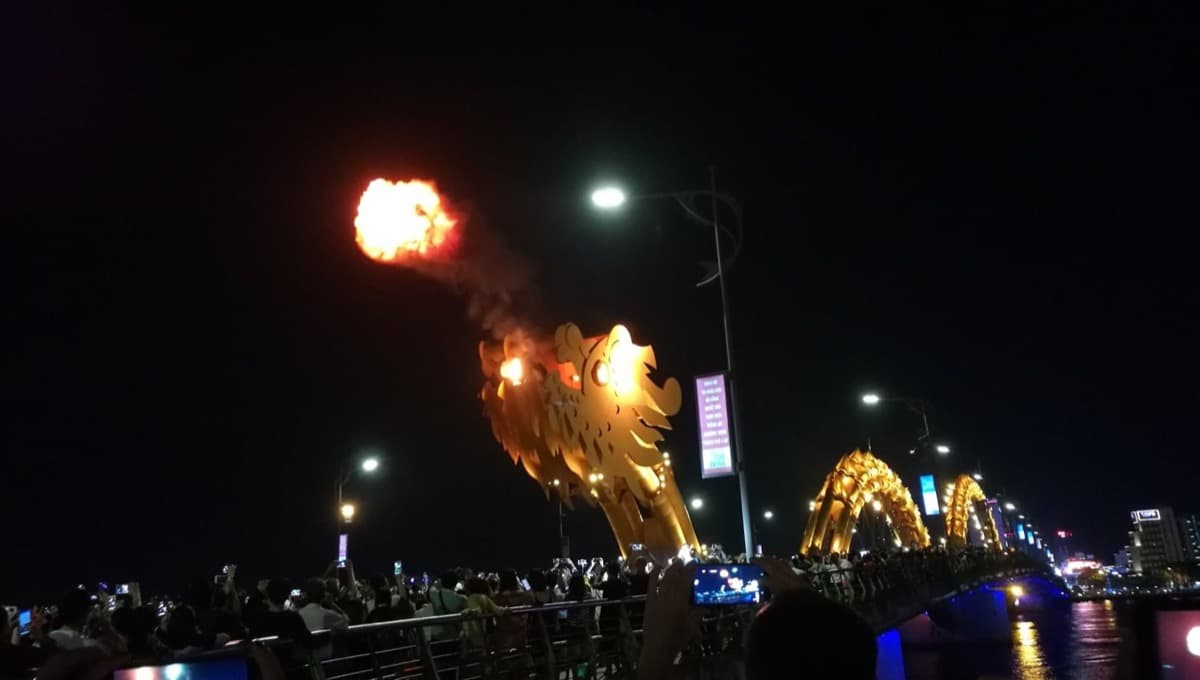
One of the bridges in Da Nang is called the Dragon Bridge. It is 666 meters long and, not surprisingly, it looks actually like a dragon...
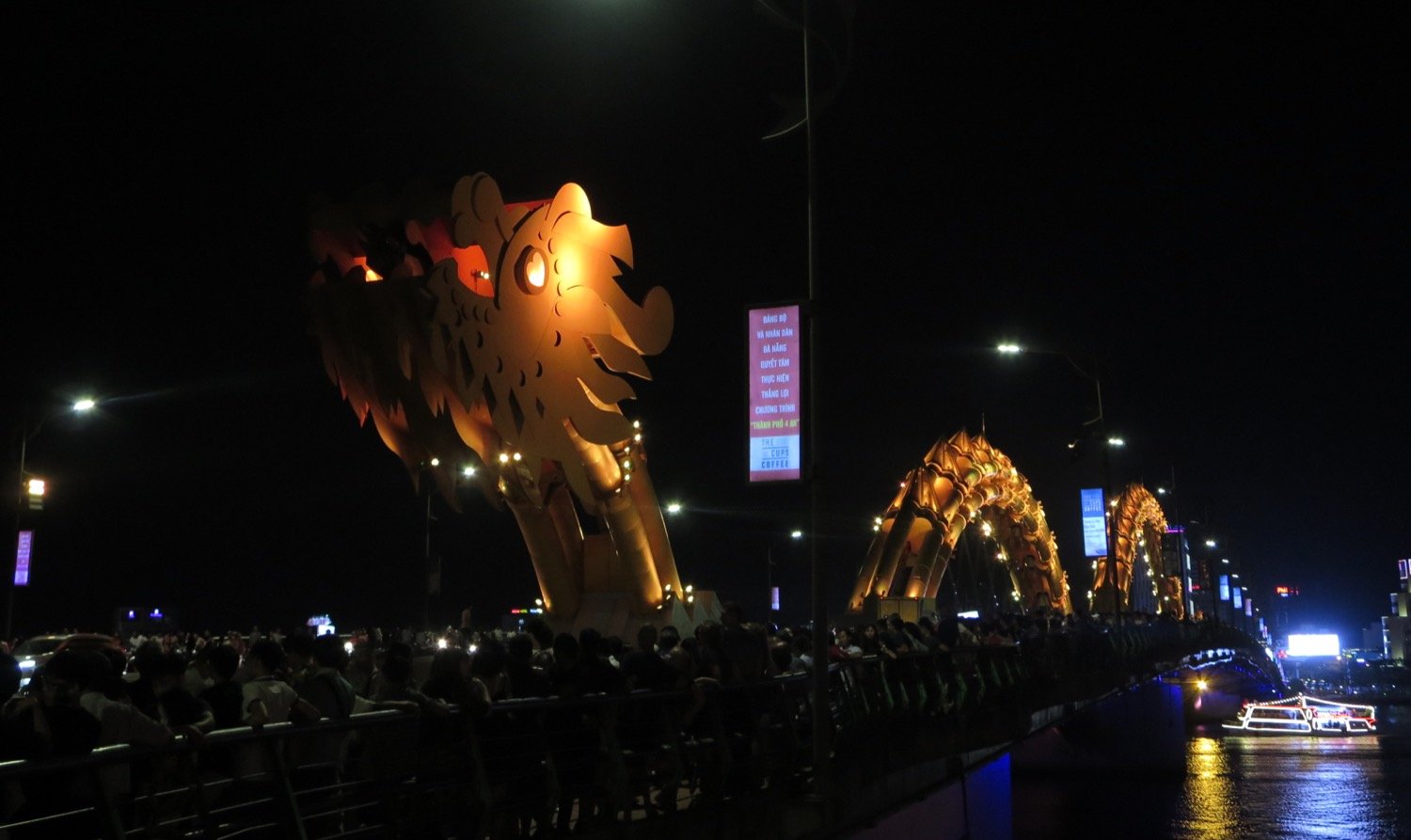
It connects the two sides of Da Nang.
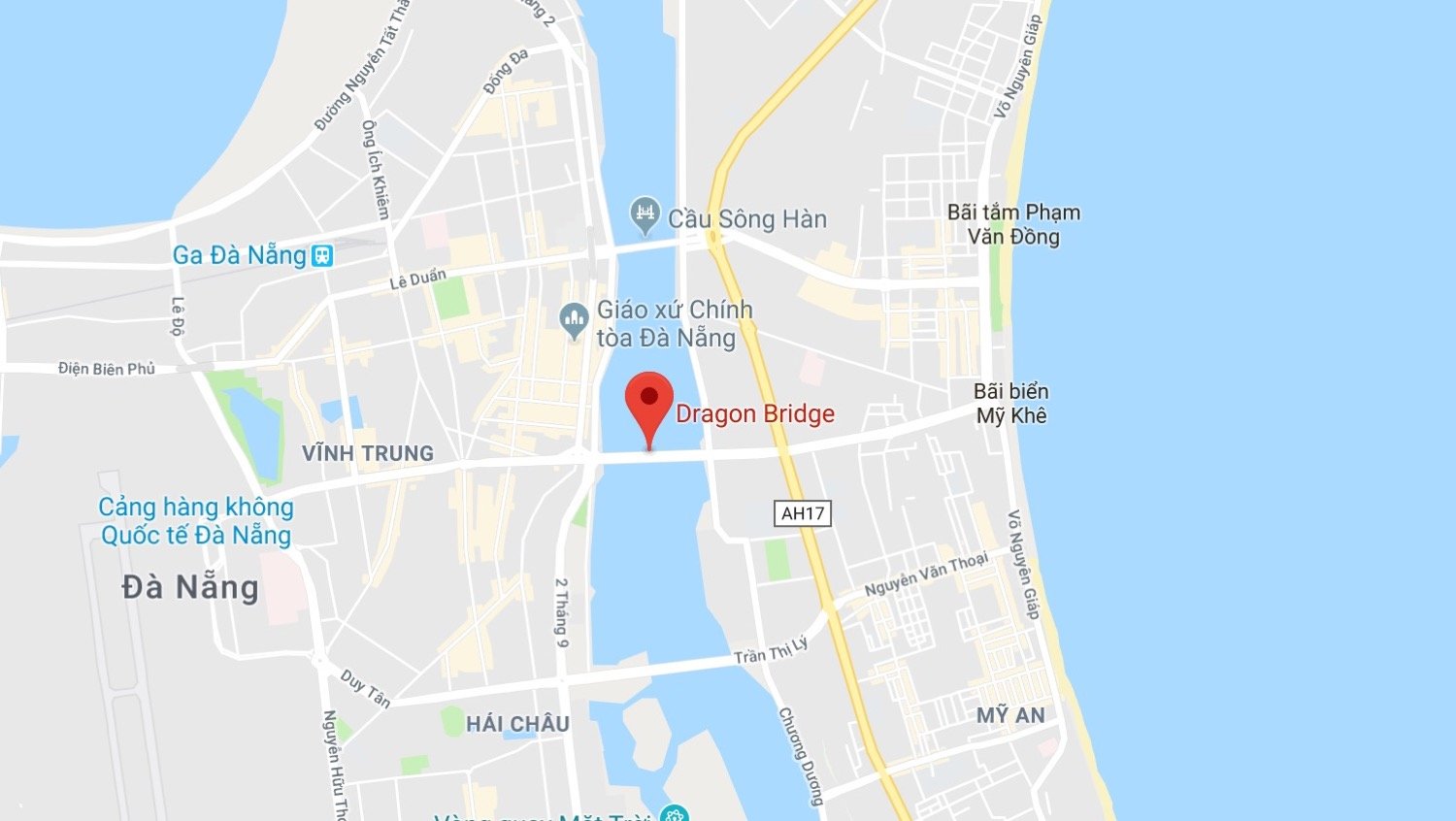
One evening we were walking along the river, and we saw many people gathered around the bridge.
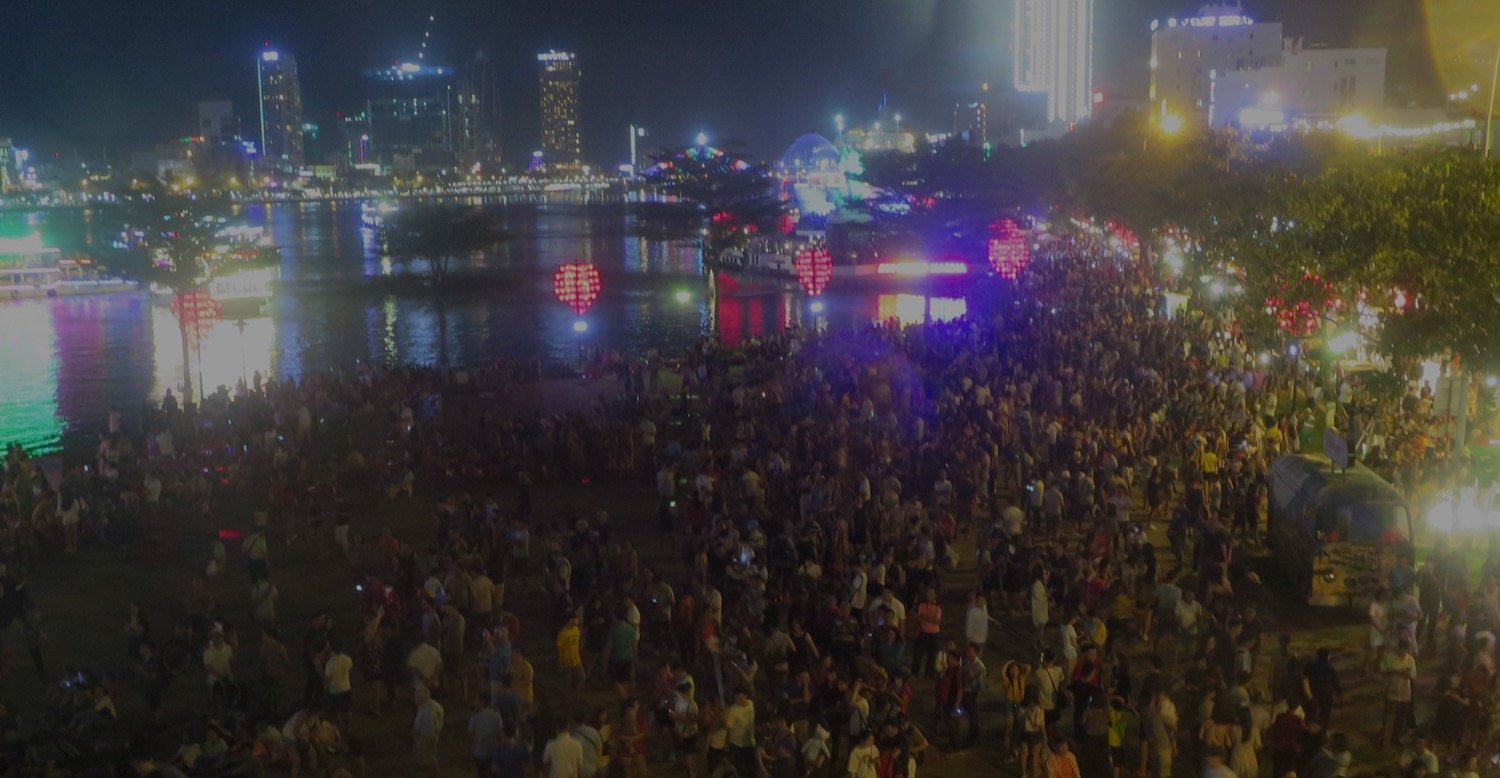
We were wondering why, and shortly found out that every weekend at 9 pm, there is a fire show happening: the dragon breaths fire (and afterwards water). It is impressing and fascinating, not very usual and it is worth a visit. For 3 times, the dragon spits fire, and for 2 times, it spits water... gently soaking the audience standing close by.
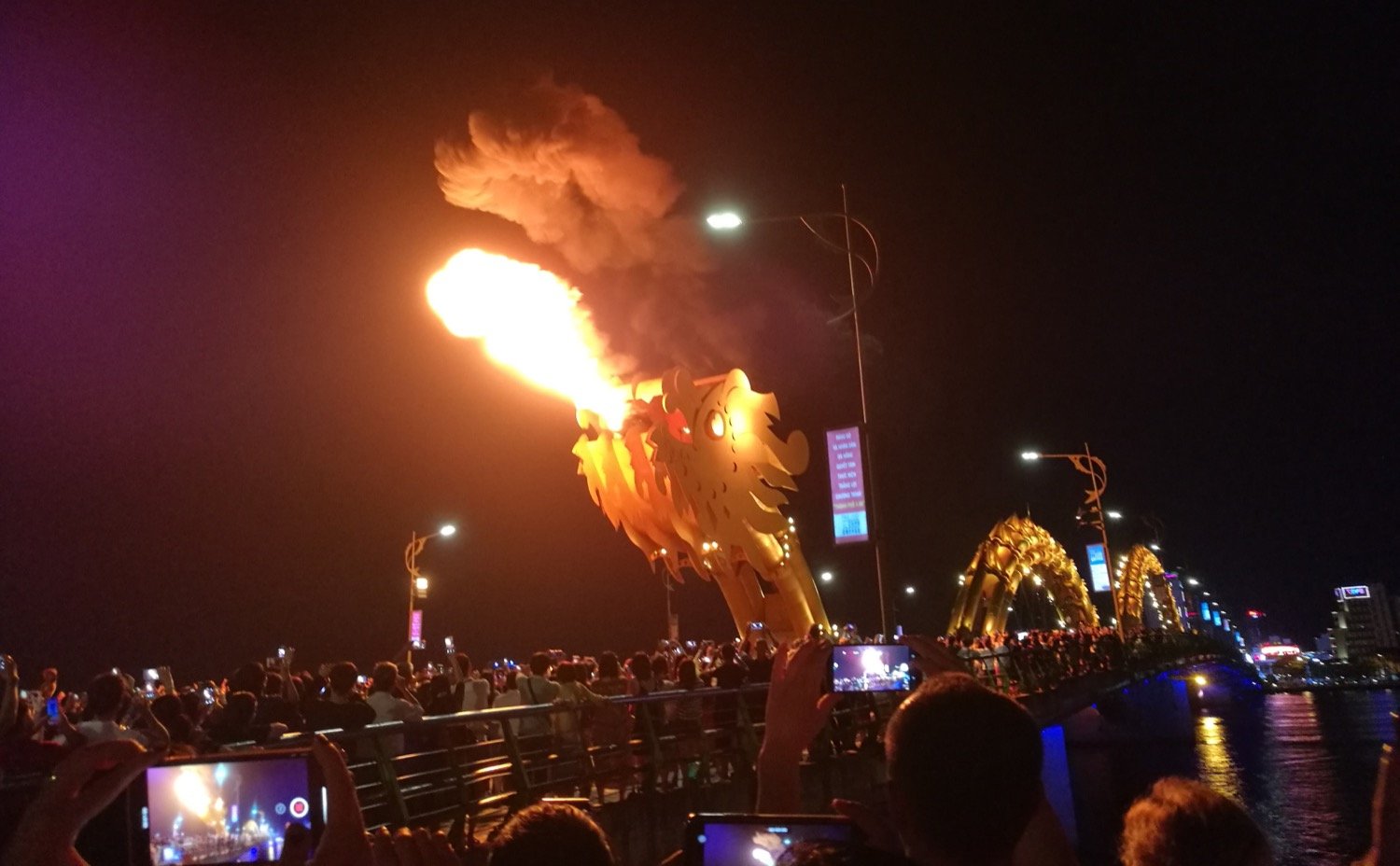
We were impressed about how many people were recording this show, not enjoying the reality, not here and now. You can see it in the picture, too.
The market
It is called Han Markt and it is not different from other Asian markets. There, you will find hundreds of items: food, drinks, cosmetics, clothes, shoes, accessories, and so on.
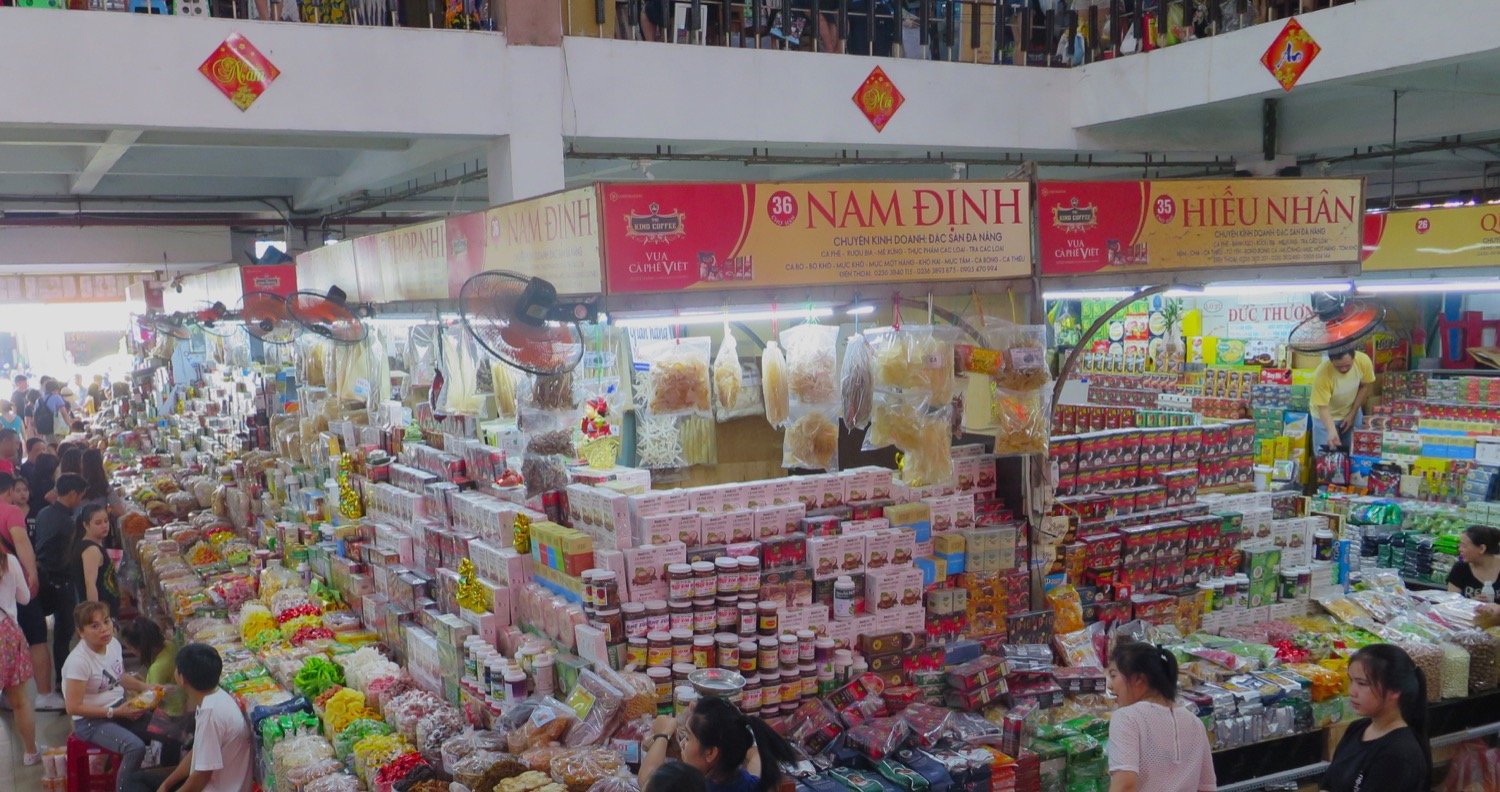
Colourful, crowded and located on 2 floors, it is a bit too touristic if you are looking for authentic and local products.
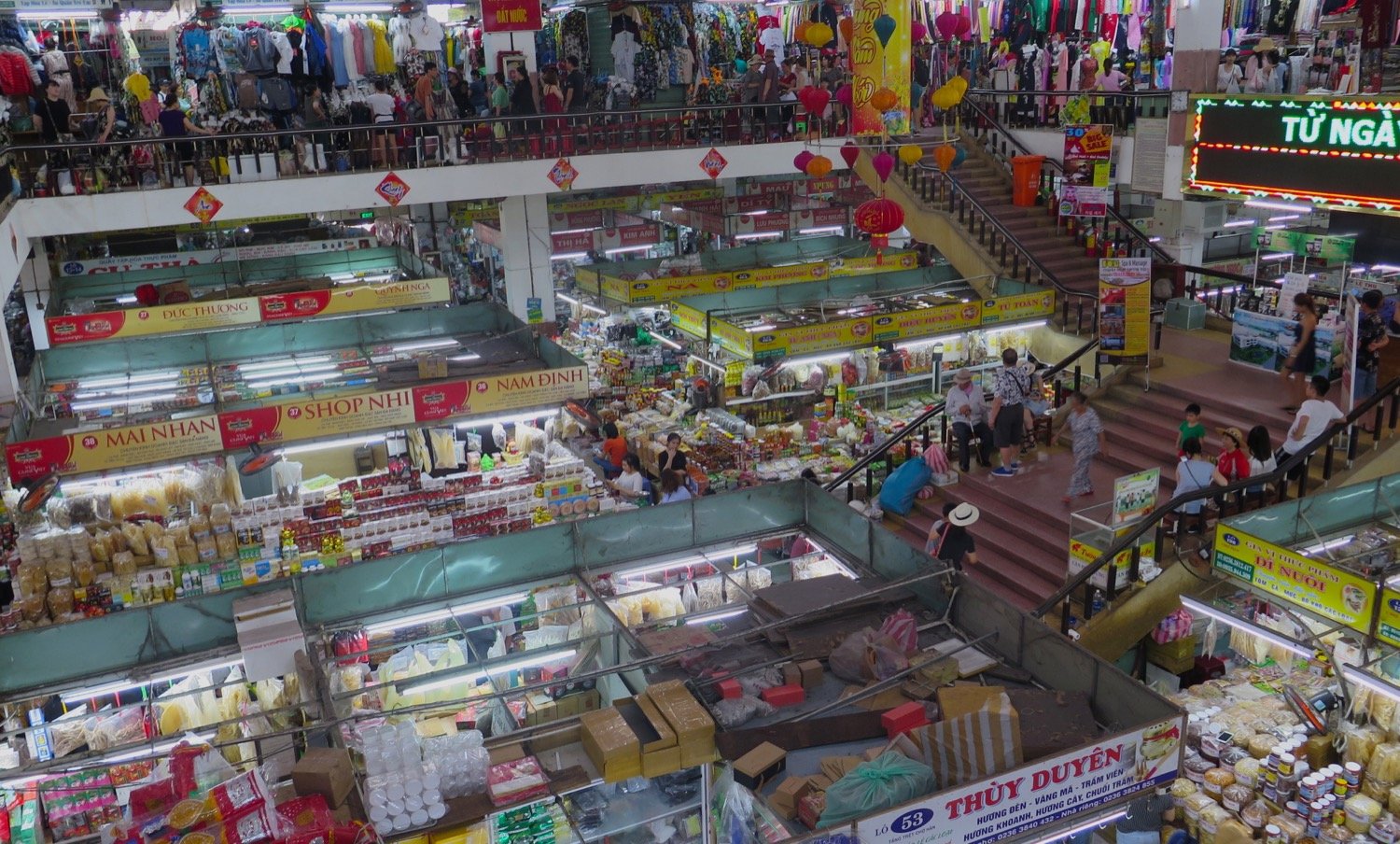
If you take out your bargain skills, you can anyway take home some good deals!
Ice rink
Would you expect to find an ice rink in Vietnam? I wouldn't... that's why I was so surprised to find one inside the Vincom mall!
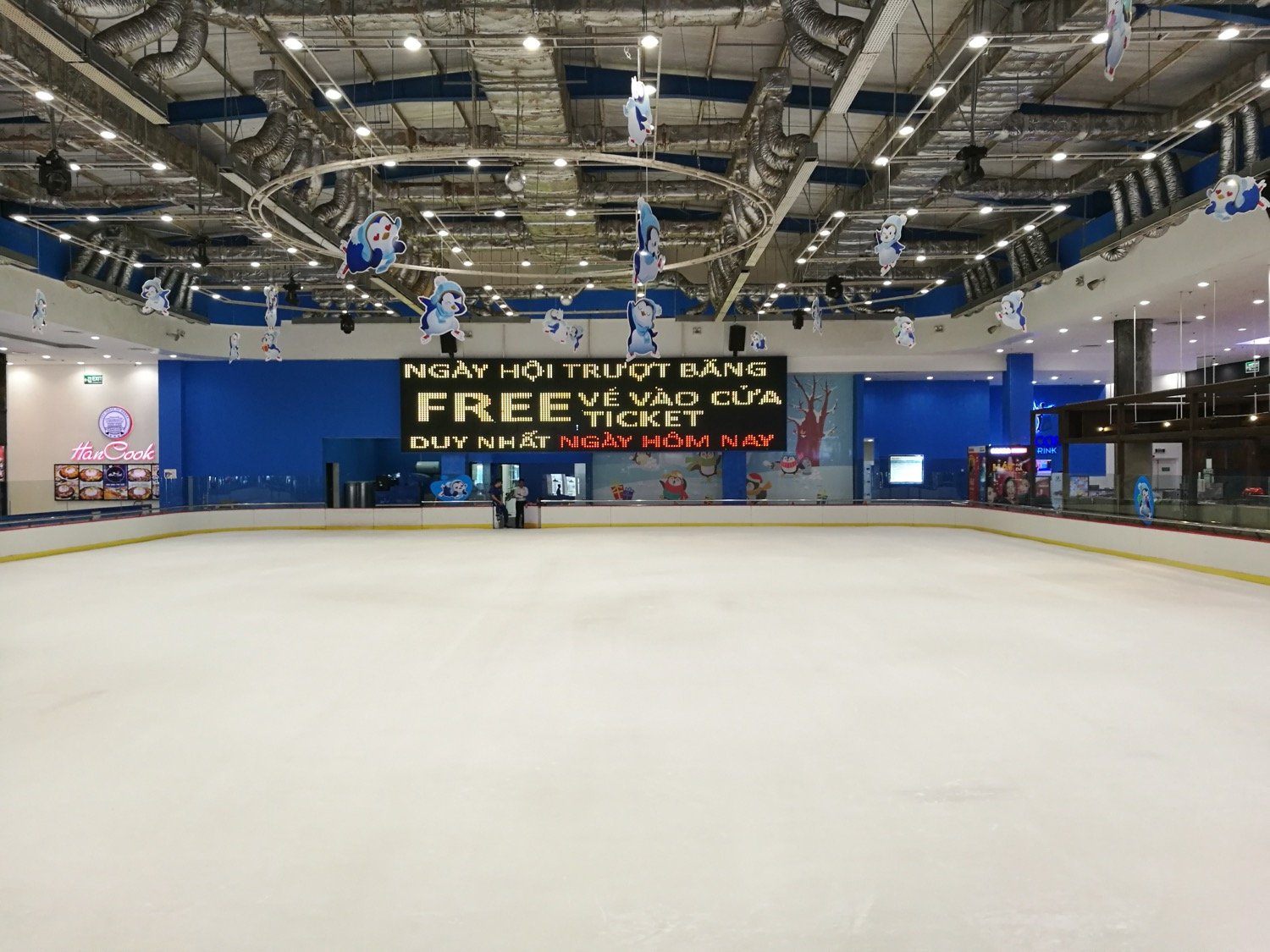
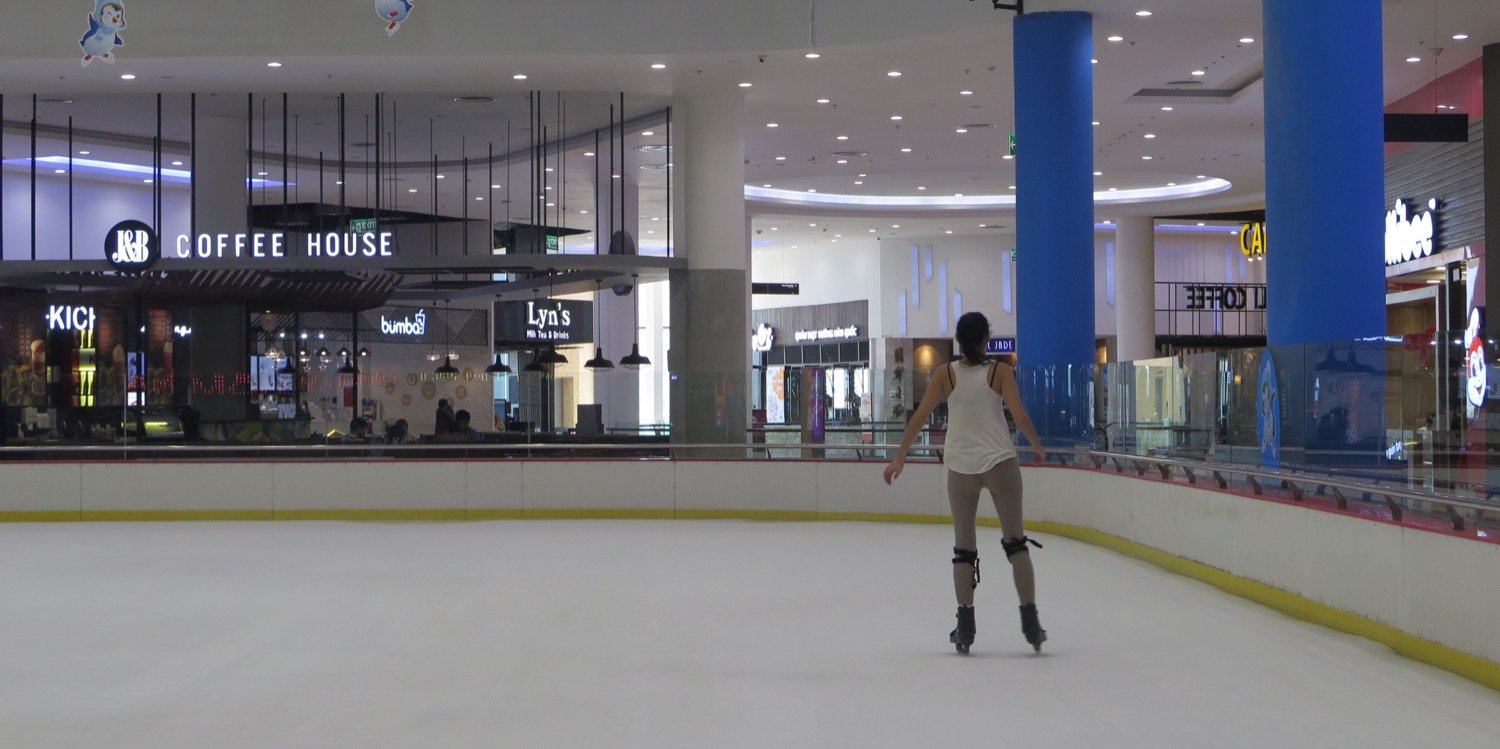
We happened to be there on a free-ticket-day, so we went ice-skating while outside it was 40 degrees! And, the other funny thing, is that there was nobody there, and we had all the ice rink for us. What a wonderful feeling!
The karaoke booth
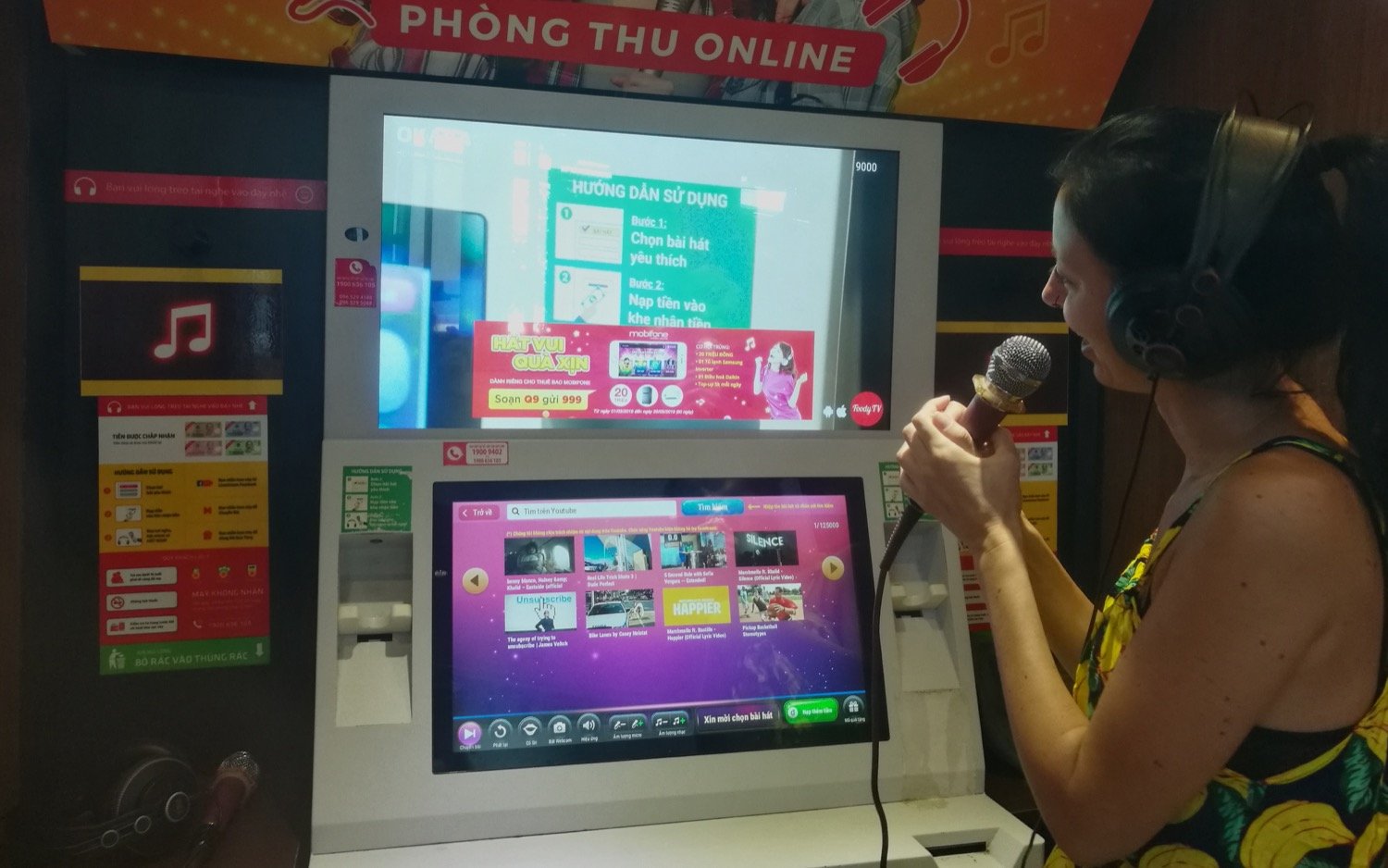
If you are shy but you still want to experience a Karaoke in Asia, well... this is the solution for you!
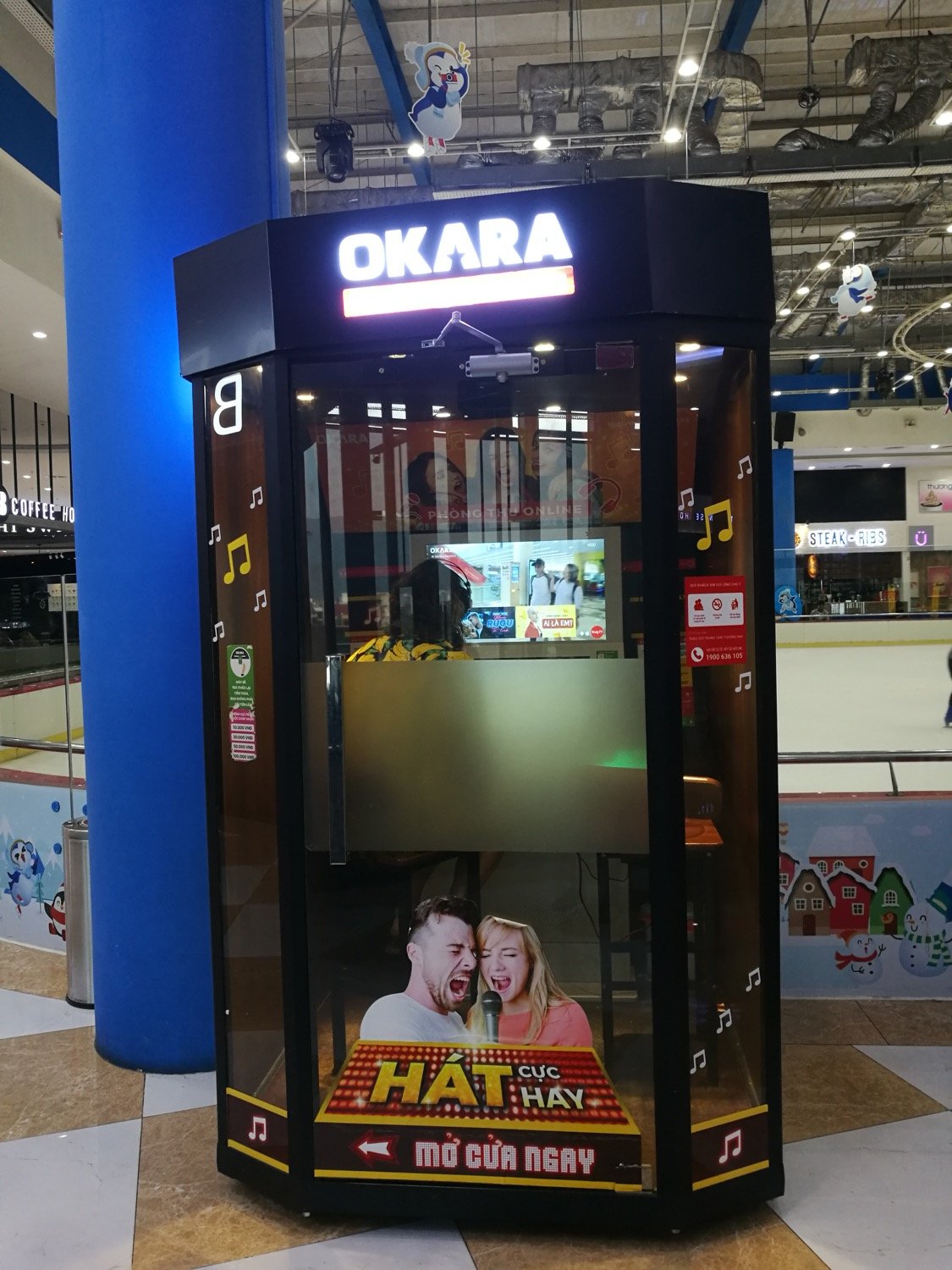
We found this karaoke booth in the same mall where we found the ice rink.
You sit in a kind of phone box, by yourself. You select your favourite song and you can sing it without worries. It can be fun :-)
In Asia, in the evening, many bars and restaurants, but also private people, put out the karaoke equipment on the road and people start to sing (sometimes out of tune) local songs. This creates a surreal atmosphere, it feels like you are in an old movie, or something similar. I really liked that feeling, it made me smile a lot of times.
The gas station
This picture is self-explanatory: it is a portable gas pump (for motorbikes). In addition to the usual commercial and global gas stations, there are also this small private pumps that you can use in case of emergency.
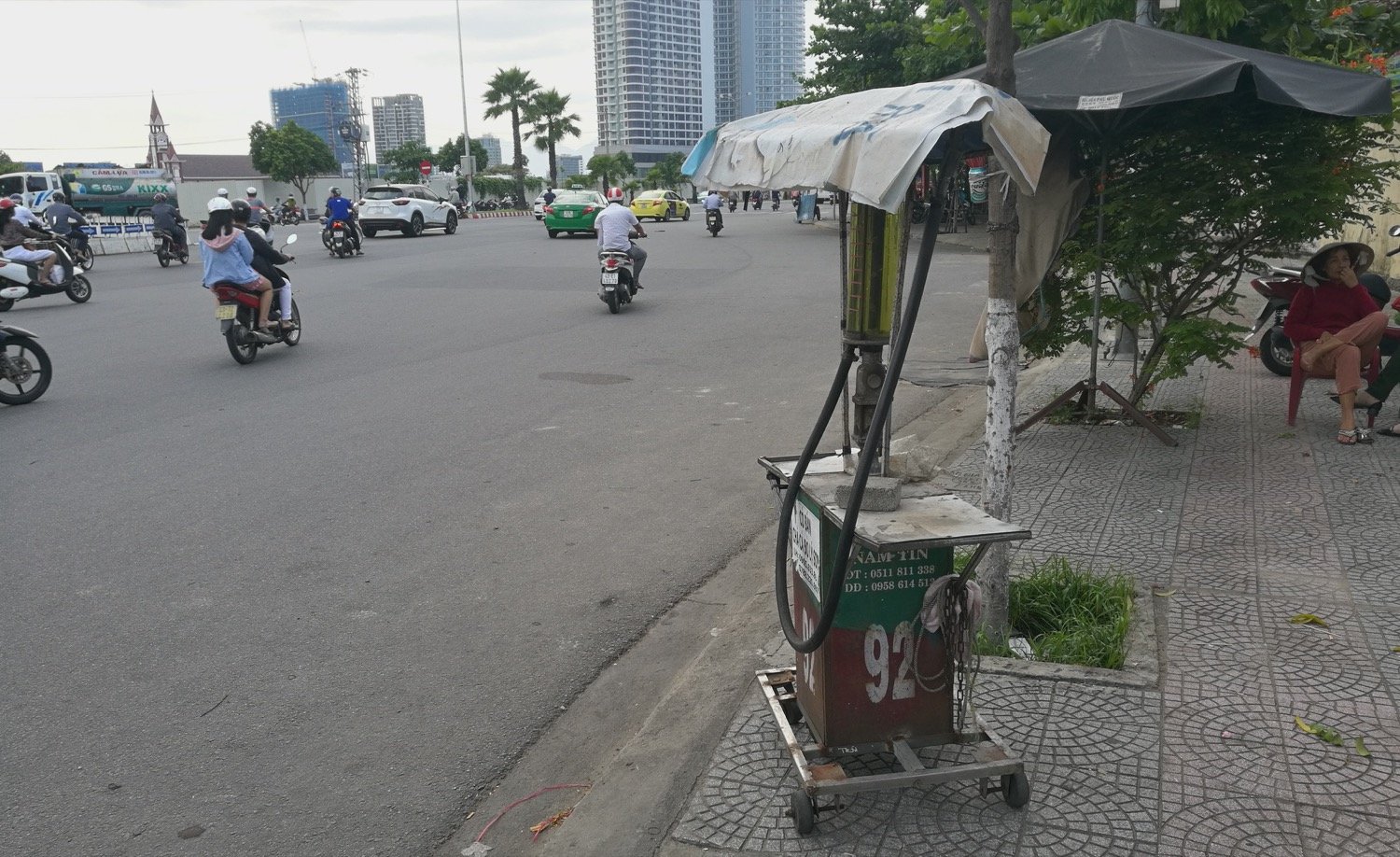
This one was located along a huge roundabout, under the sun, and the owner was sitting a bit further, in the shadow.
It is crazy if you think that we (western countries) take so many precautions when we are close to a gas station, and there are no accidents. And in those countries, without any precautions, nothing happens, too... There must be something wrong somewhere!
The barber shop
This one was funny to see! This huge tree is growing directly into a barbershop. And the poor barber has to work outside because he doesn't have enough space inside...
Nature beats humans.

Holes on the street
In Da Nang people are very caring. If there are holes on the street, they cover them up so that other people don't fall in. How they do it? That's another story...
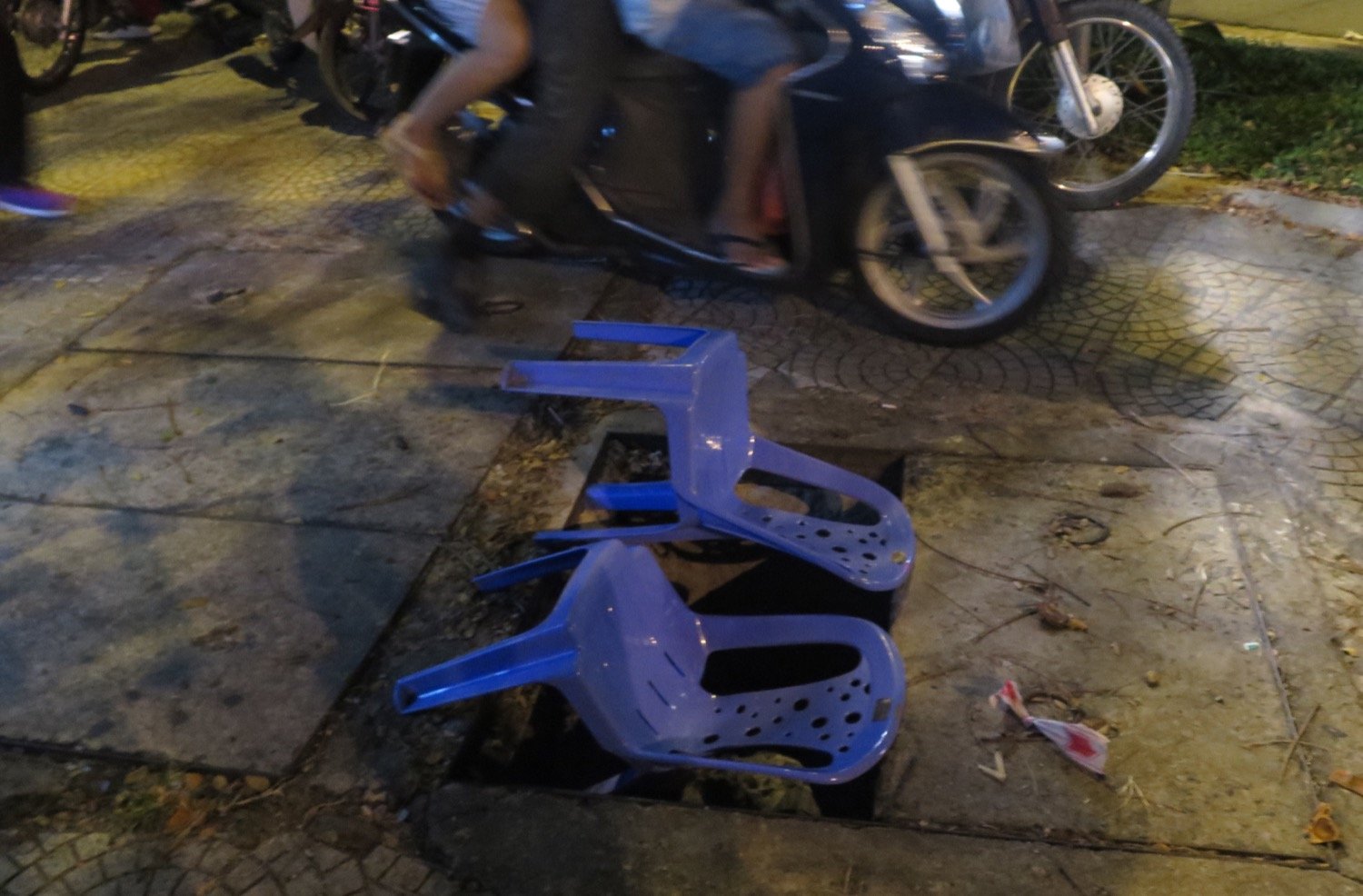
The solution: two lying chairs, directly on the hole. You need creativity for that... take it or leave it :-)
Playing on the road
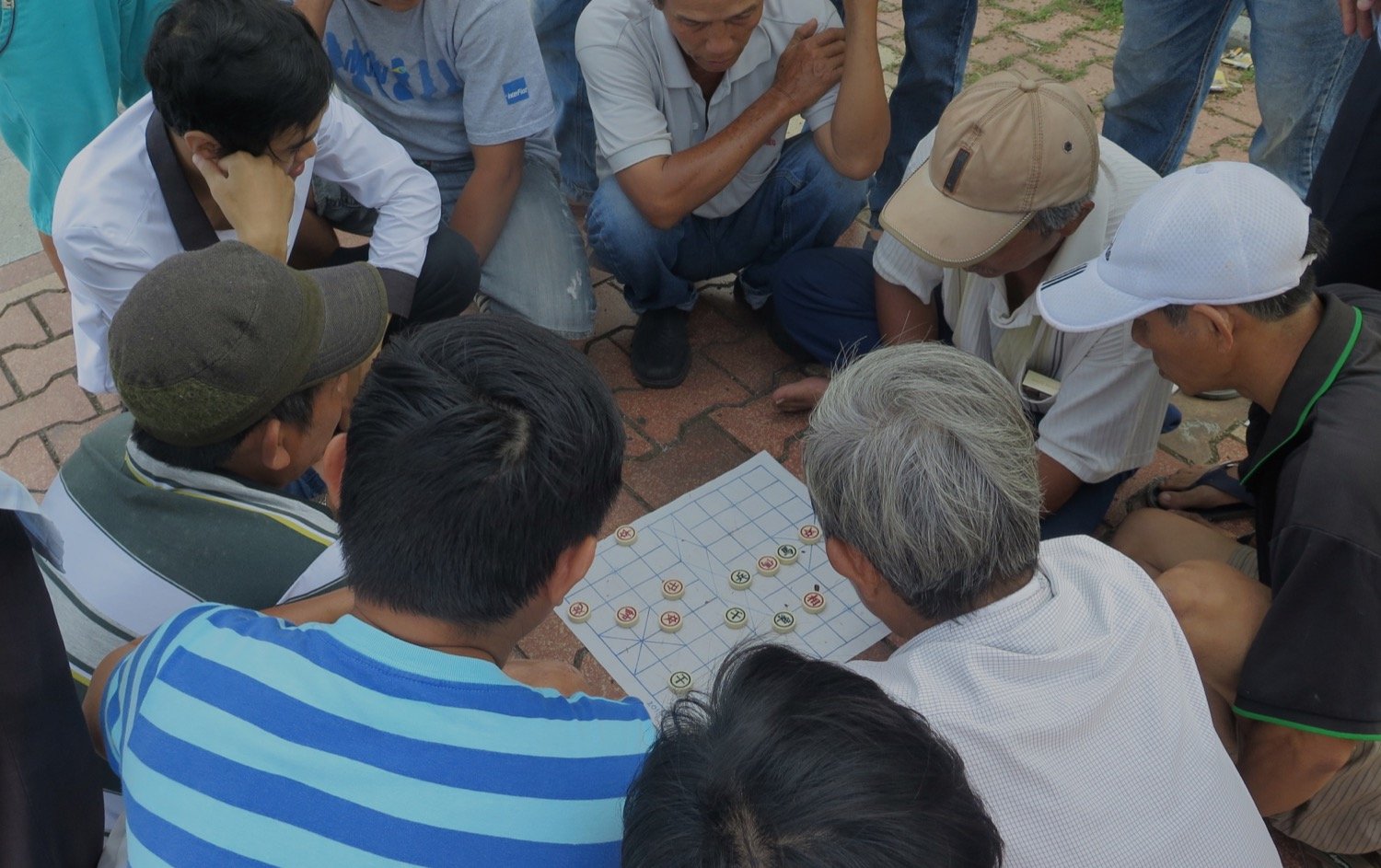
Every now and then, there are groups of gentlemen crouched on the street. They are playing a game, we still don't know how it is called. But it seems a very entertaining one because the audience, only masculine, is very big and enthusiastic.
All in all Da Nang is a cute city, easy to live and relatively cheap. We initially booked our hotel for 3 nights, but in the end, we stayed 15 nights!
Learn more about travel experiences and join our community!
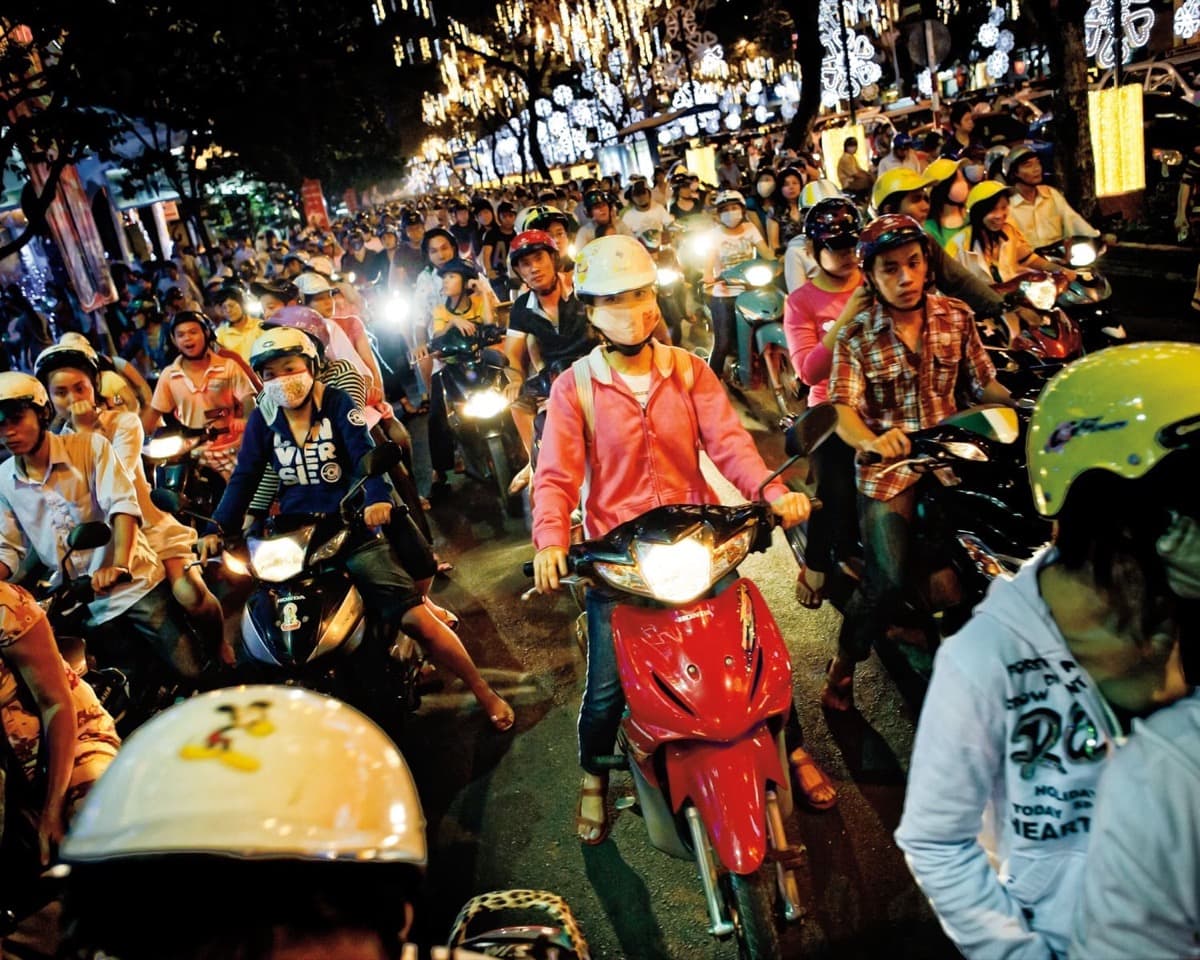
Ho Chi Minh City: challenges on the road
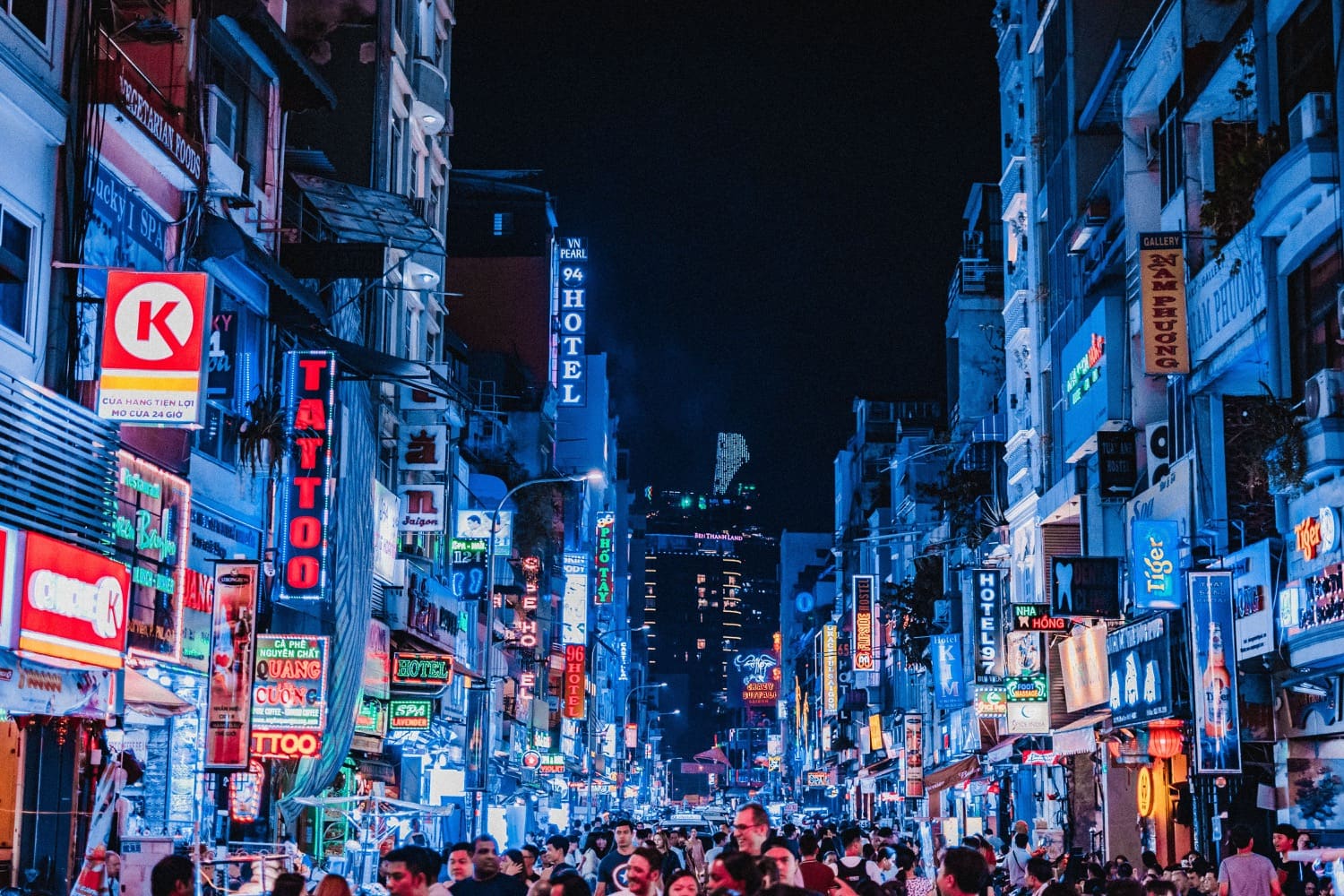
It is well-known that in huge cities the traffic level is very high, that there is a large number of cars, motorbikes and buses on the roads. But nothing compared to Ho Chi Minh City! Or, at least, that was my impression...
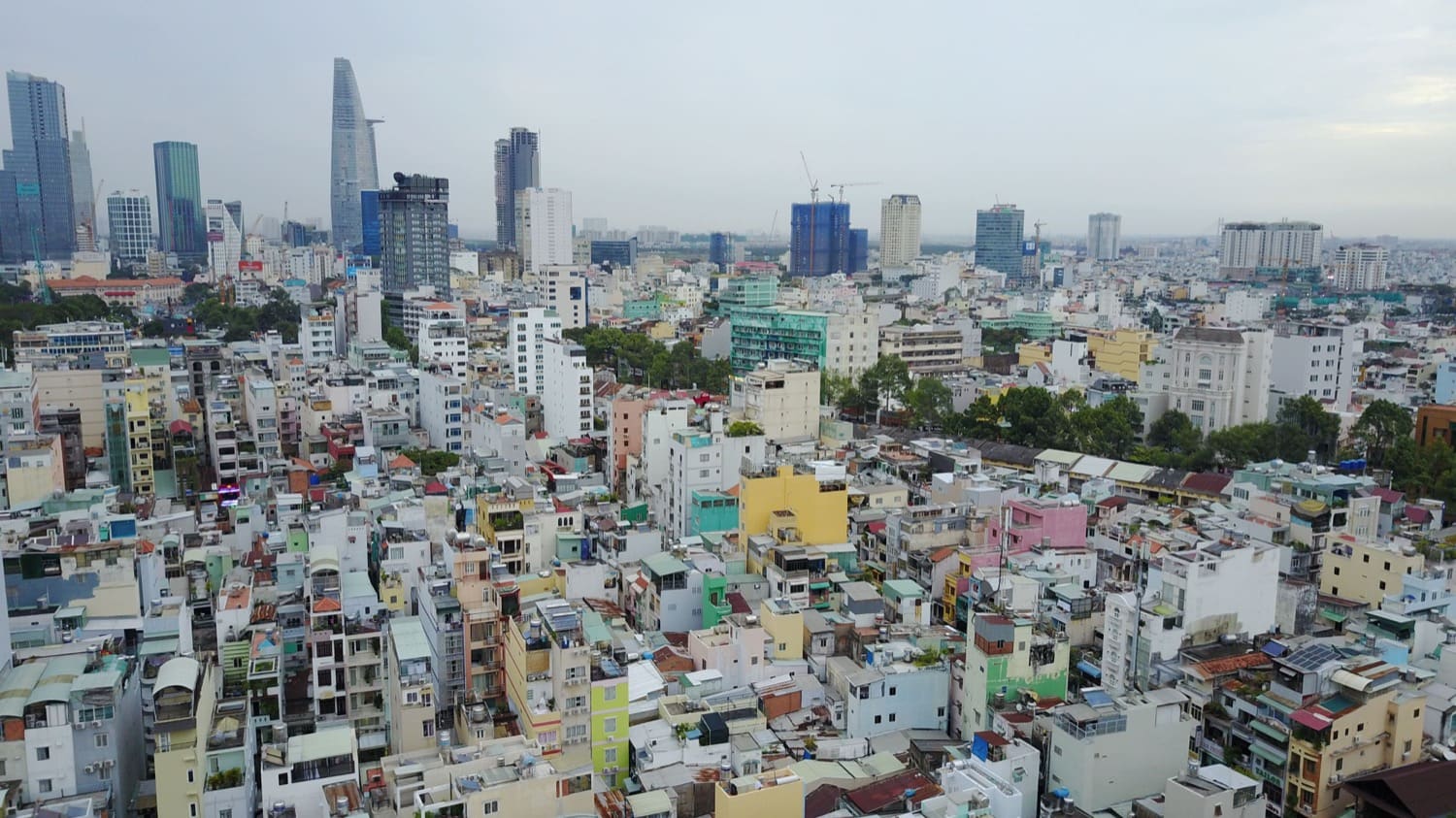
Scooters in Ho Chi Minh City
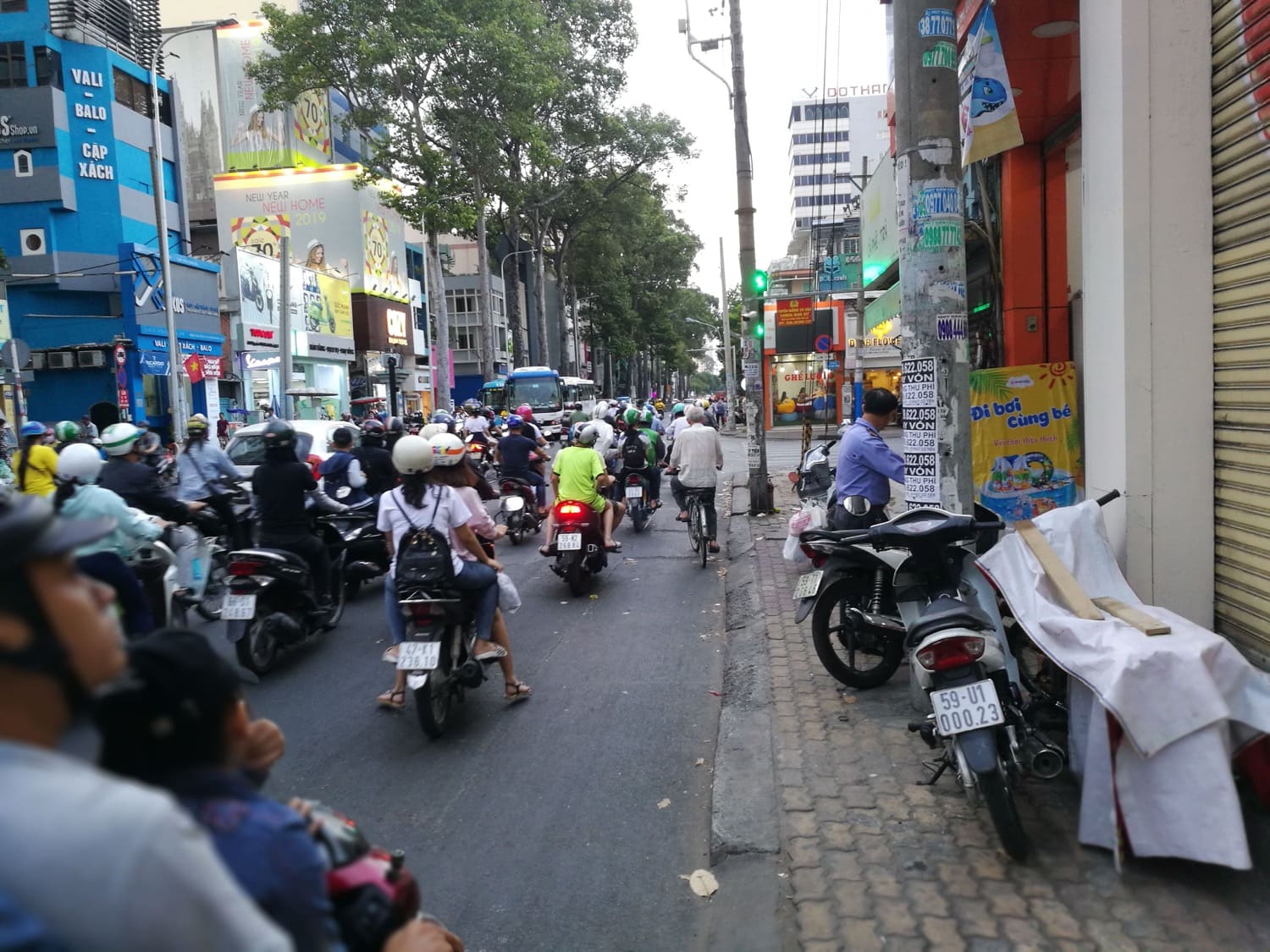
In Ho Chi Minh City there is traffic 24/7. And during peak hours, it is almost unbelievable and you feel like you are in an anthill. The shocking thing is that, as a pedestrian, you have no rights on the road, not at all.
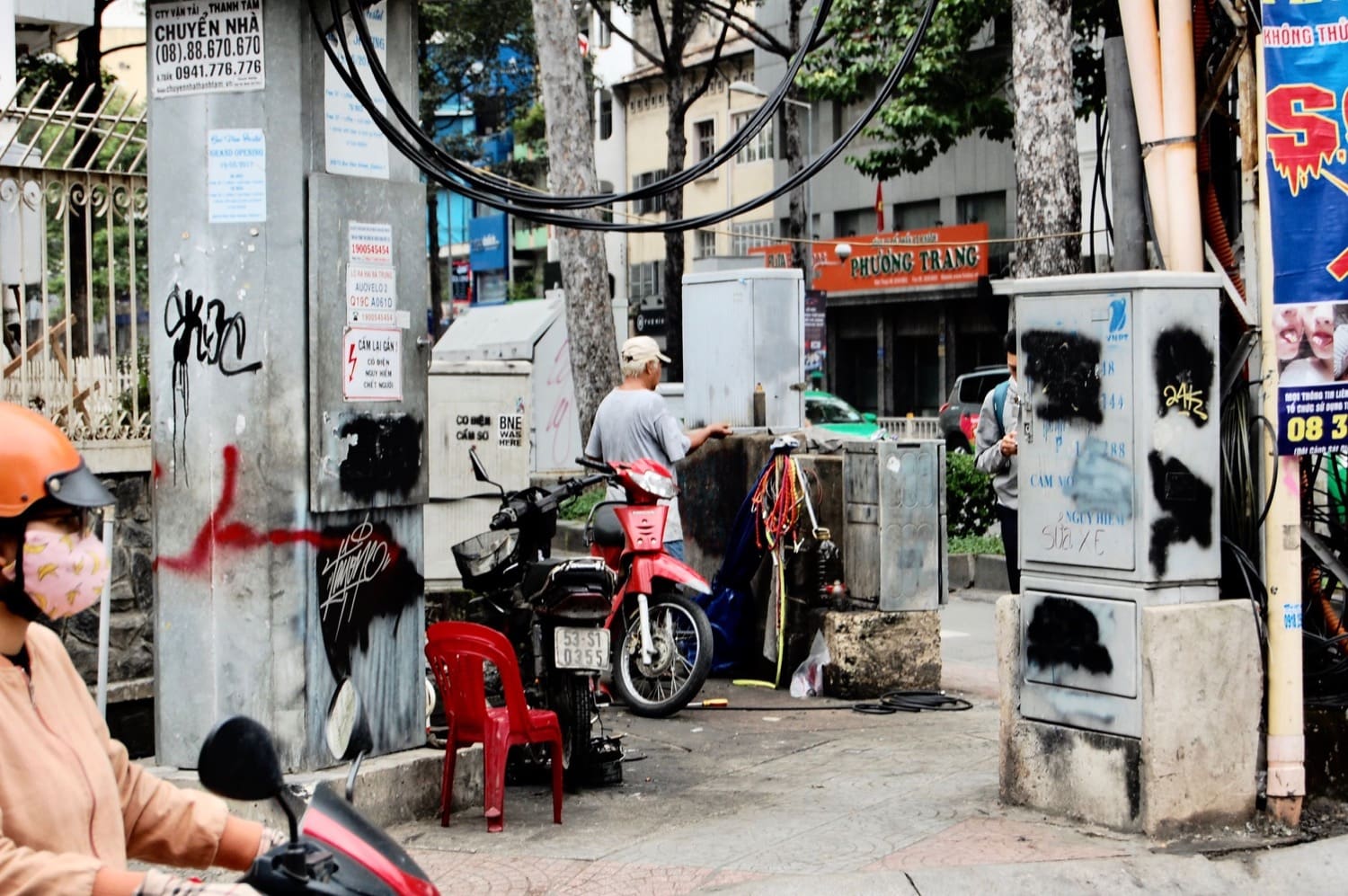
Try to cross the road on the crosswalk... Try to safely walk on the sidewalk without worries…
Those are no go!
Even if there is a green light for pedestrians, scooters do not stop to let you pass. And, when you think “ok, on the sidewalk I’m safe", you will see a scooter coming behind you, and one in front of you without any intention to stop.
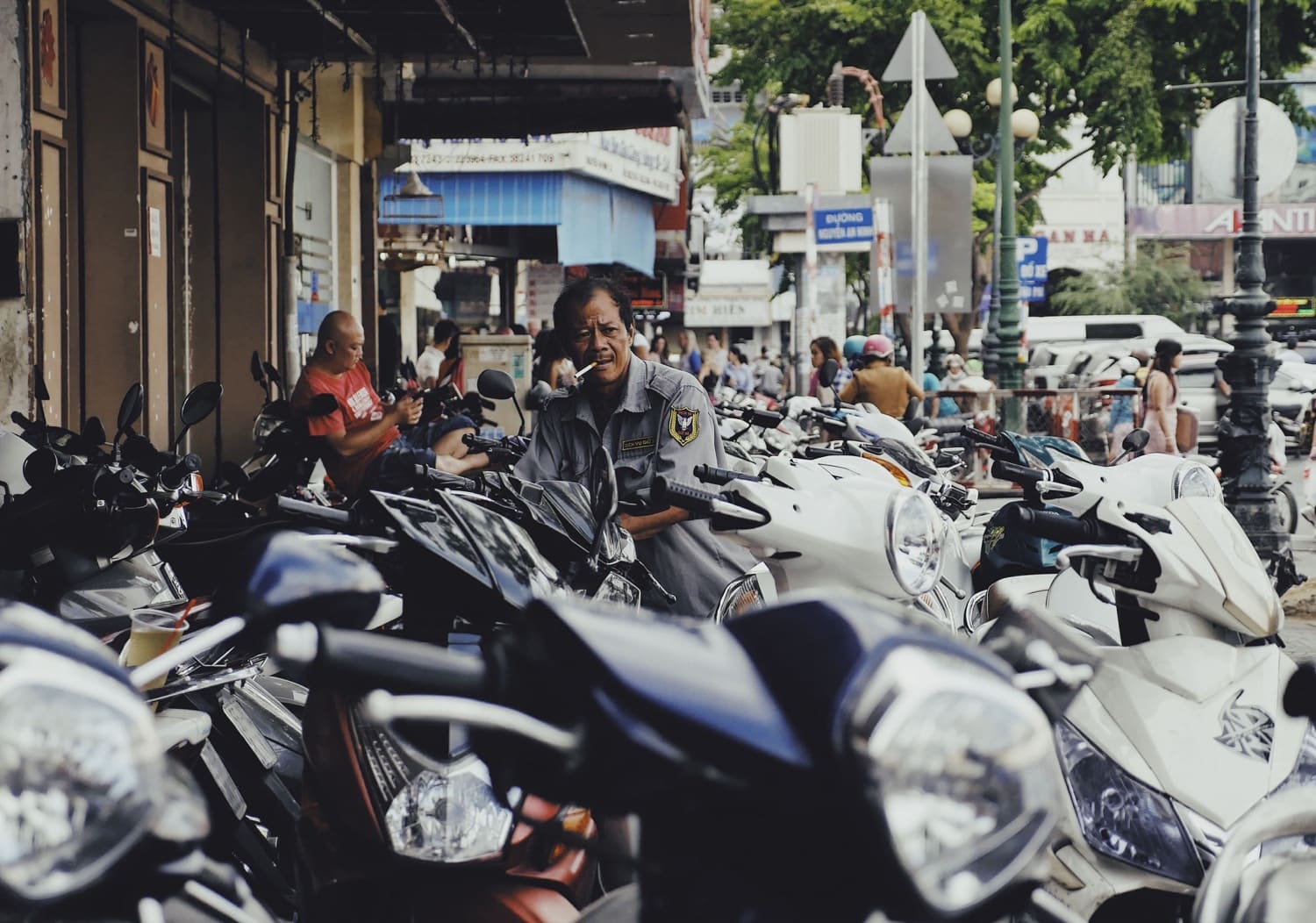
When not in movement, scooters are neatly parked on the sidewalk. There are official valets who get paid to park scooters one after the other so that the sidewalk can fit as many scooters as possible. If you leave your scooter there, you need to pay a parking fee.
To increase a bit the level of stress, you will notice that everyone honks for any reason, or for no reason. They ring because this is cultural. Nothing to do with indicating dangers, or other useful things.
I must say that, despite their craziness, they all wear a helmet (sometimes a bike helmet, but it is still a helmet…). This is quite strange to see in South East Asia, where usually no one wears it.
To motorbike drivers, I would add also bus drivers and taxi drivers. We travelled with both of them, and we still don't understand how they survive in some of the city's crossings, where anarchy is king. They drive in the middle of chaos and keep going even if there are motorbikes coming from everywhere.
It was funny to see a few elderly who still go by bike, despite the mess on the roads. They bike, slowly, without worry, and they safely reach their destinations!
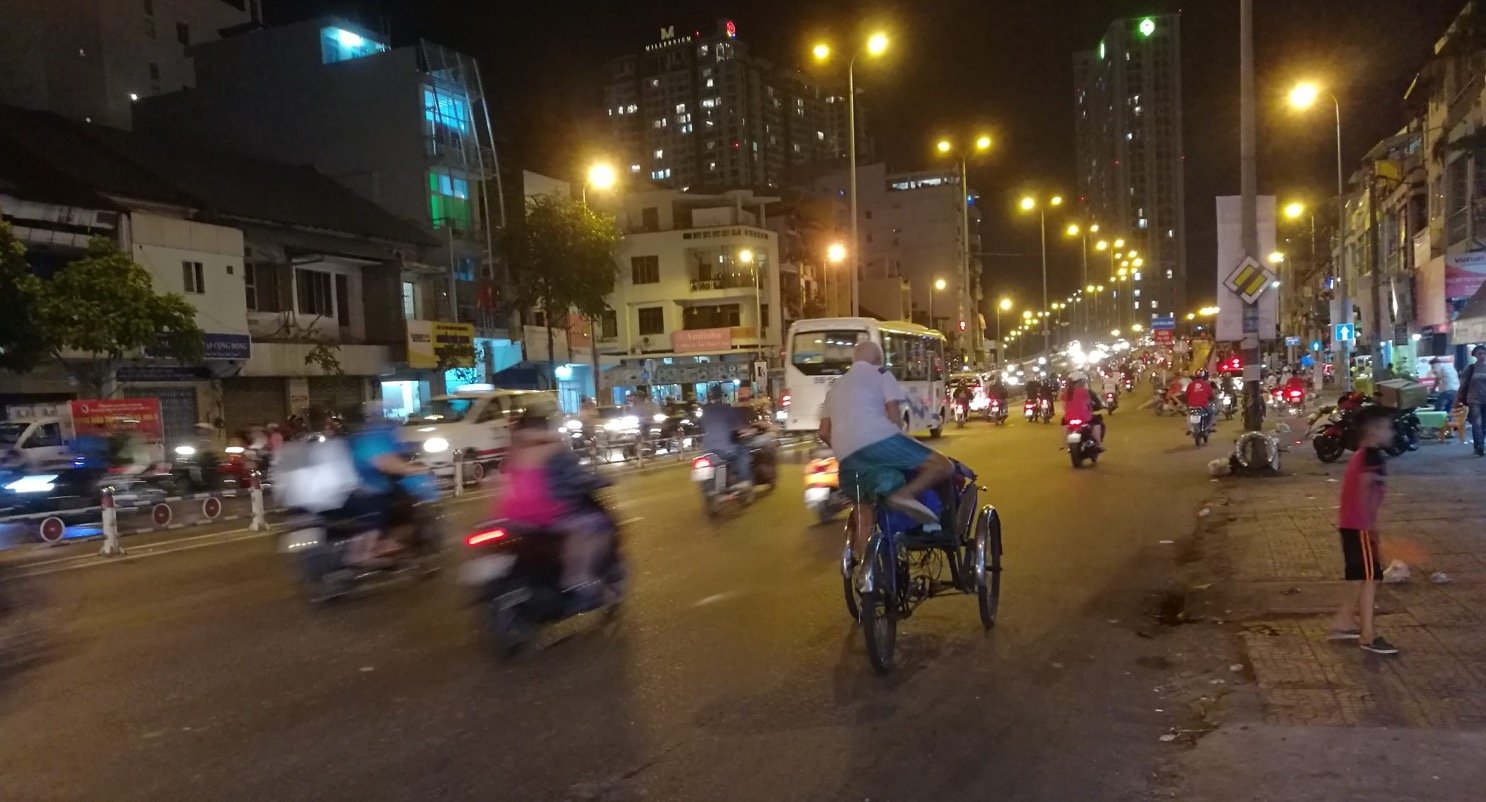
With a big surprise, we didn't see any accident! These Vietnamese guys are super skilled… nothing to say.
How to cross the street
It is understandable if you are not Vietnamese and you are anxious when you need to cross the road. Traffic is never-ending, and it seems that there are no rules. Sidewalks are not considered only for pedestrians, but they are for everyone and everything. You can find parked scooters, running scooters, little shops, restaurant chairs, anything... so you cannot walk there without going up and down from it. 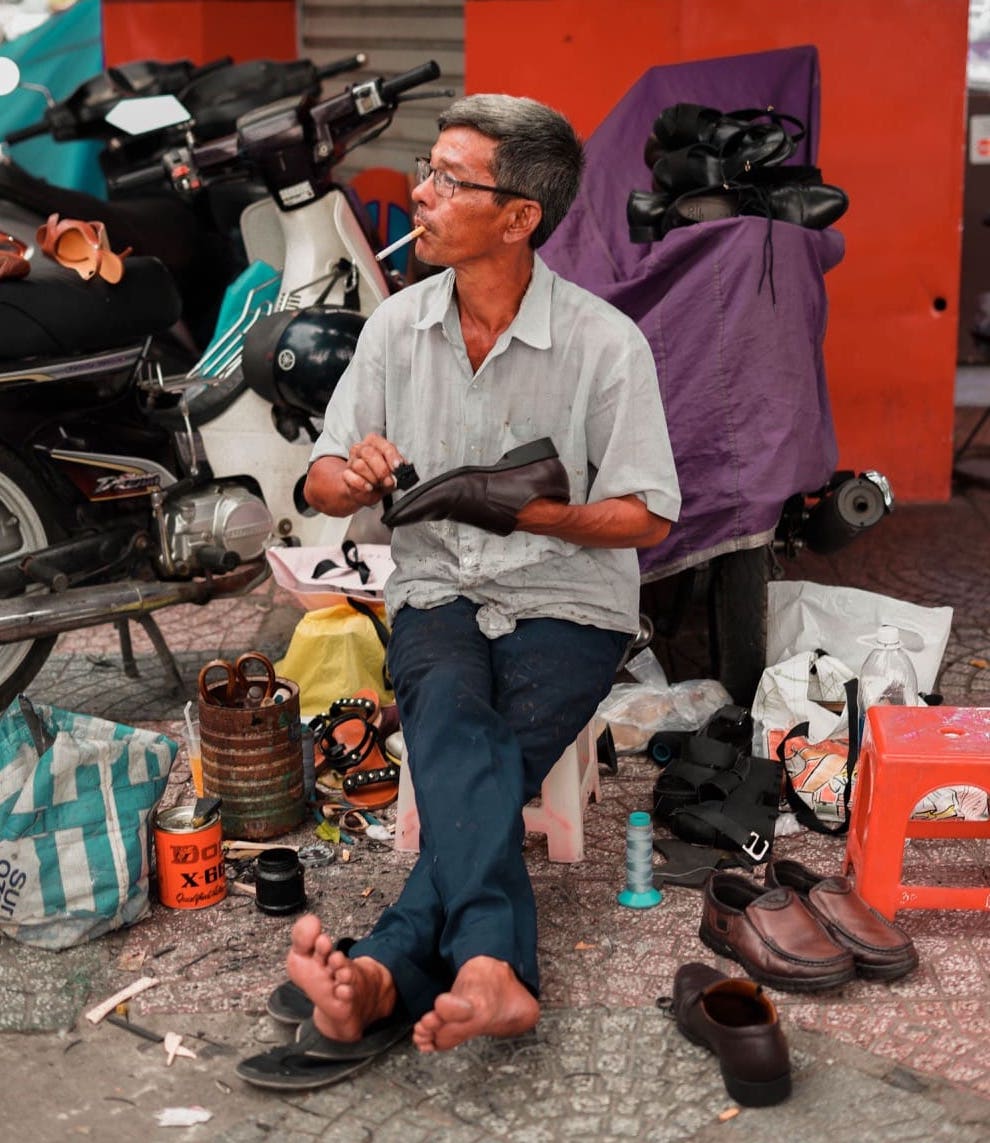
And when you need to cross the road?
There is one thing you can do to be safe: copy the local people.
Before crossing the road, they put a hand up and start walking, keeping the hand up. In addition to that, they proceed without stopping and without changing the rhythm of walking... In this way, scooters and cars dodge them.
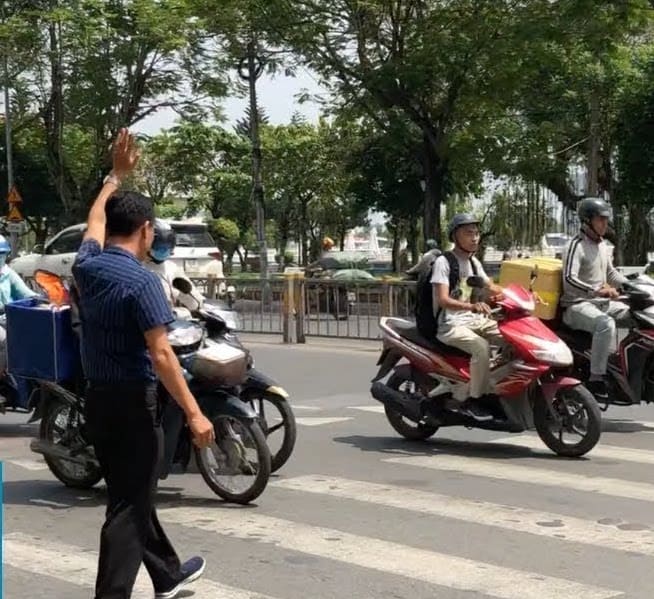
Actually, drivers here are very used to dodge people, they are skilled. It is a mess for them if you don't walk without stopping, or if you suddenly start to run... you will confuse them and they won't know what you are doing and what they should do. Therefore, walk constant, no worries!
Well, it sounds easy but you really need to be brave to face that... :-) Be arrogant, go straight and don't look at anything or anyone.
Public transportation
We didn't really use public transportation. It is different from the rest of South East Asia because there are no tuk-tuks. There are only companies like Uber or Grab which are very popular and cheap. The difference is that they don't bring you around by car, but... by scooter.
Therefore we advise getting a taxi instead. It is not expensive if you stay in the city. In addition to that, it is an exciting experience to see how they sneak out among scooters and in traffic jams.
Your challenge will be to communicate with the taxi driver, as almost no one of them speaks English. You can show them the map and point where you want to go, hoping that they understand and they bring you to the right place, without doing a wild goose chase...
Pollution
The air in Ho Chi Minh City is very polluted, you definitely need a mask when you go around. Not everyone is wearing it, but if you care about your lungs, you'd better put it on. Not only the air is polluted, but there are many smells, too. Mainly is about grilled (almost burned) food, smoke, garbage, smog and so on.
In addition to air pollution, there is also acoustic pollution. As already said, Vietnamese people love to honk the horn and to make noise, in general. They are a loud population :-)
Anyway, it is a nice city to visit, at least once in life. It offers a lot and the cost of living is affordable! Just be prepared to face life on the streets ;-)
And, if you want to know more about what to do while in Ho Chi Minh, you can read my posts about the Cu Chi Tunnels or the one about the Mekong Delta. Have fun!
Secrets of the Vietnam War: Cu Chi Tunnels
If you are in Ho Chi Minh City, you absolutely have to visit the Cu Chi Tunnels: a network of secret tunnels used during the Vietnam War.
They are located approximately 2 hours by bus from Ho Chi Minh City. A visit is really worth it if you want to understand and experience what happened at that time.
You can go there on your own, with a DIY solution. Once in the park, you will be given to a guide who will explain and assist you. Or, you can join a group and reach the location by bus with your own guide.
But, what are the Cu Chi Tunnels?
They are connecting, underground tunnels that create a network. They were used by the Viet Cong soldiers as a hiding place during the Vietnam War. Those tunnels were not used only to hide, but also as a communication way with the outside. Food, medicaments, weapons and necessary living supplies were there, too.
Of course, life was not easy in the tunnels. On the contrary, it was difficult to cope with the scarcity of food and air, to live with insects, humidity, darkness, sickness (malaria was the most common and most killing) and much more.
Soldiers stayed in the tunnels during the day and, when the US were not bombing, came out during the night for toilet needs and a bit of oxygen.
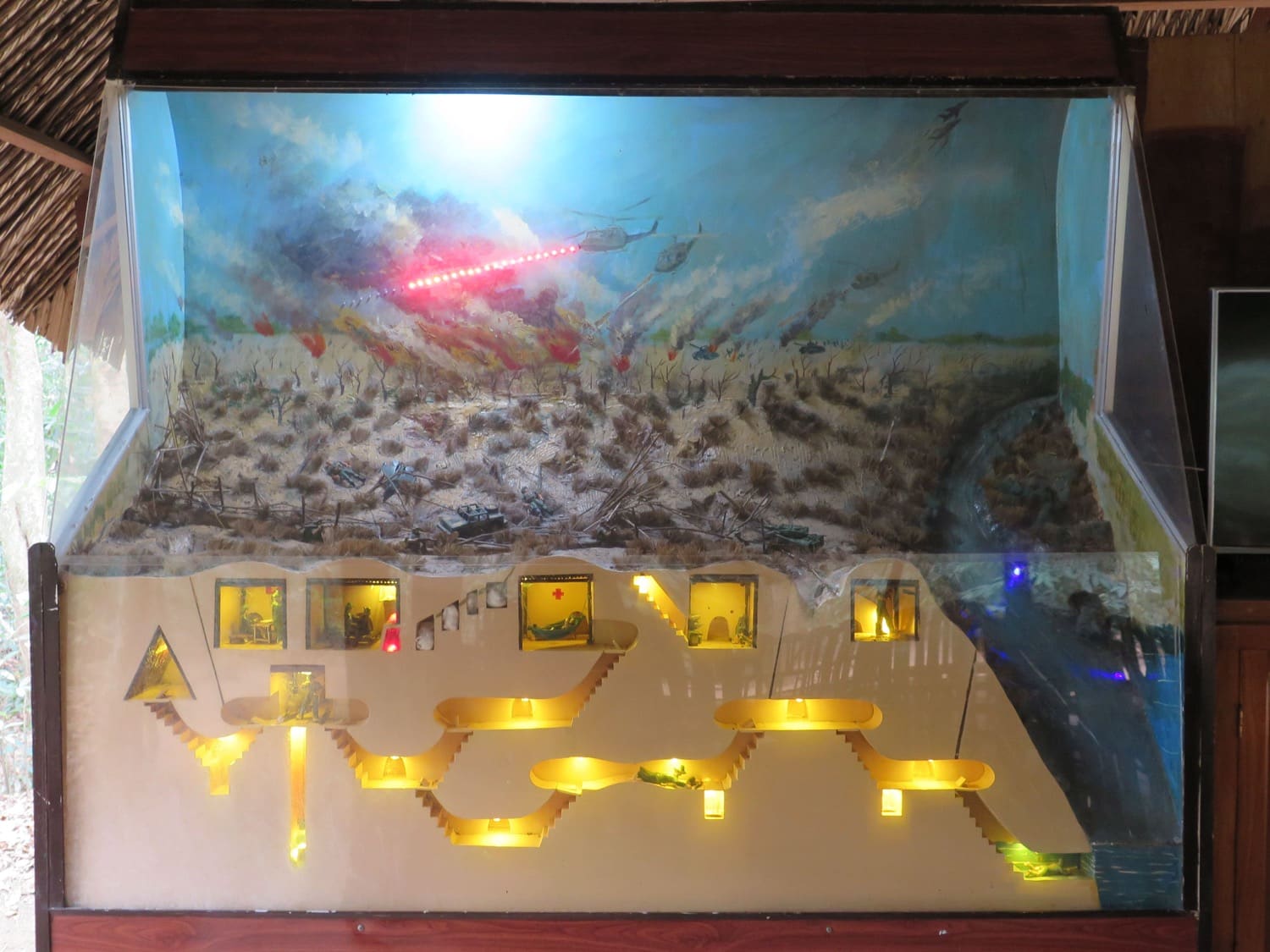
The model in the picture shows a section of the tunnels' structure. Several layers composed the structure. It is impressive to see that they were a bit like a village underground. There was a meeting room, a hospital, a kitchen, sleeping rooms, etc. Everything was built to be unnoticed by the US soldiers outside. For example, the kitchen didn't have a hood, so smoke and steam didn't go outside and were not noticed by the enemies.
There was no toilet so everyone had to wait the night to be able to go out and do the "restroom". And, to get ventilation, they created small holes into the ground from the "rooms" till outside.
It is really an apart world, very interesting and smartly organized. Vietnamese people were not rich or well-instructed, but they created a wonderful way to safeguard themselves and face the US attacks.
There is a lot to read on the web, just google it and enjoy your reading!
Cu Chi Tunnels tour
The entrance cost was approx 5 $ per person.
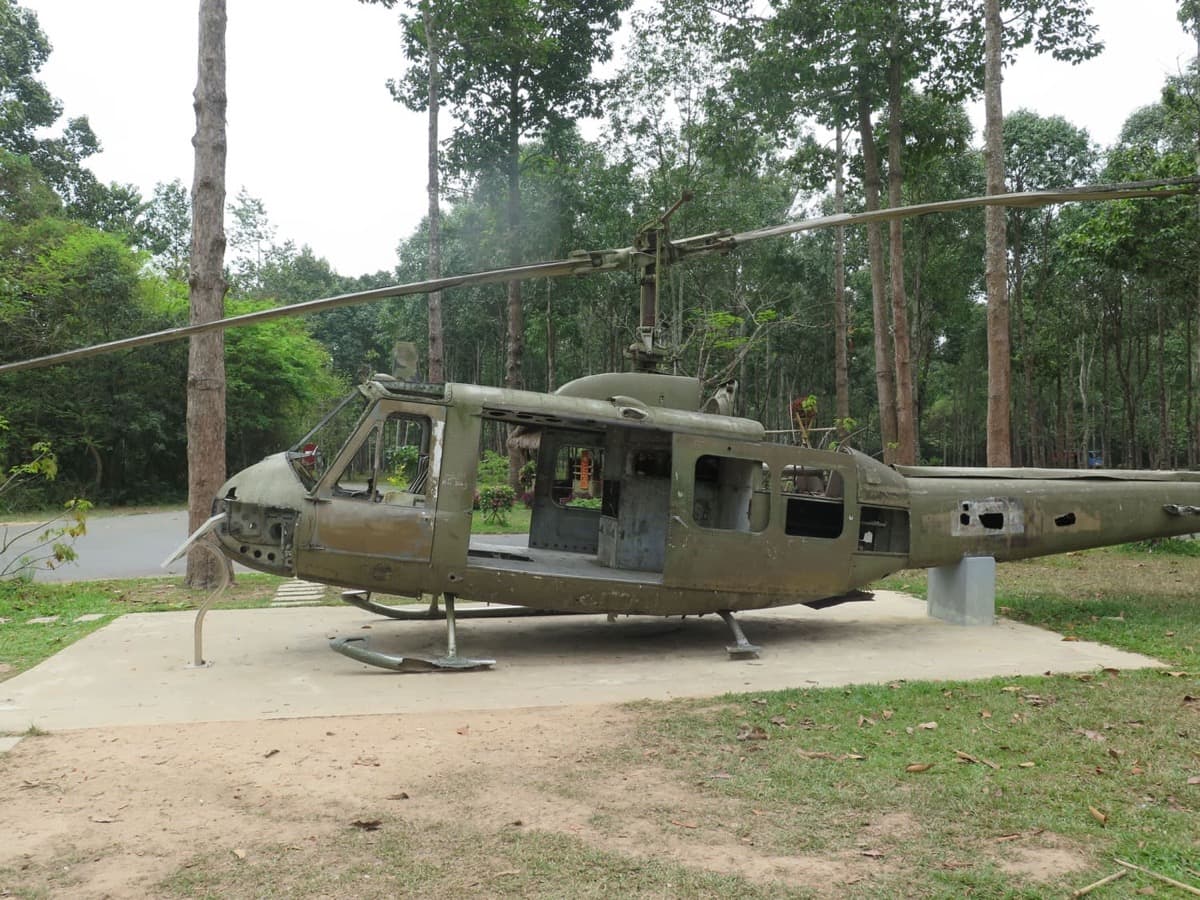
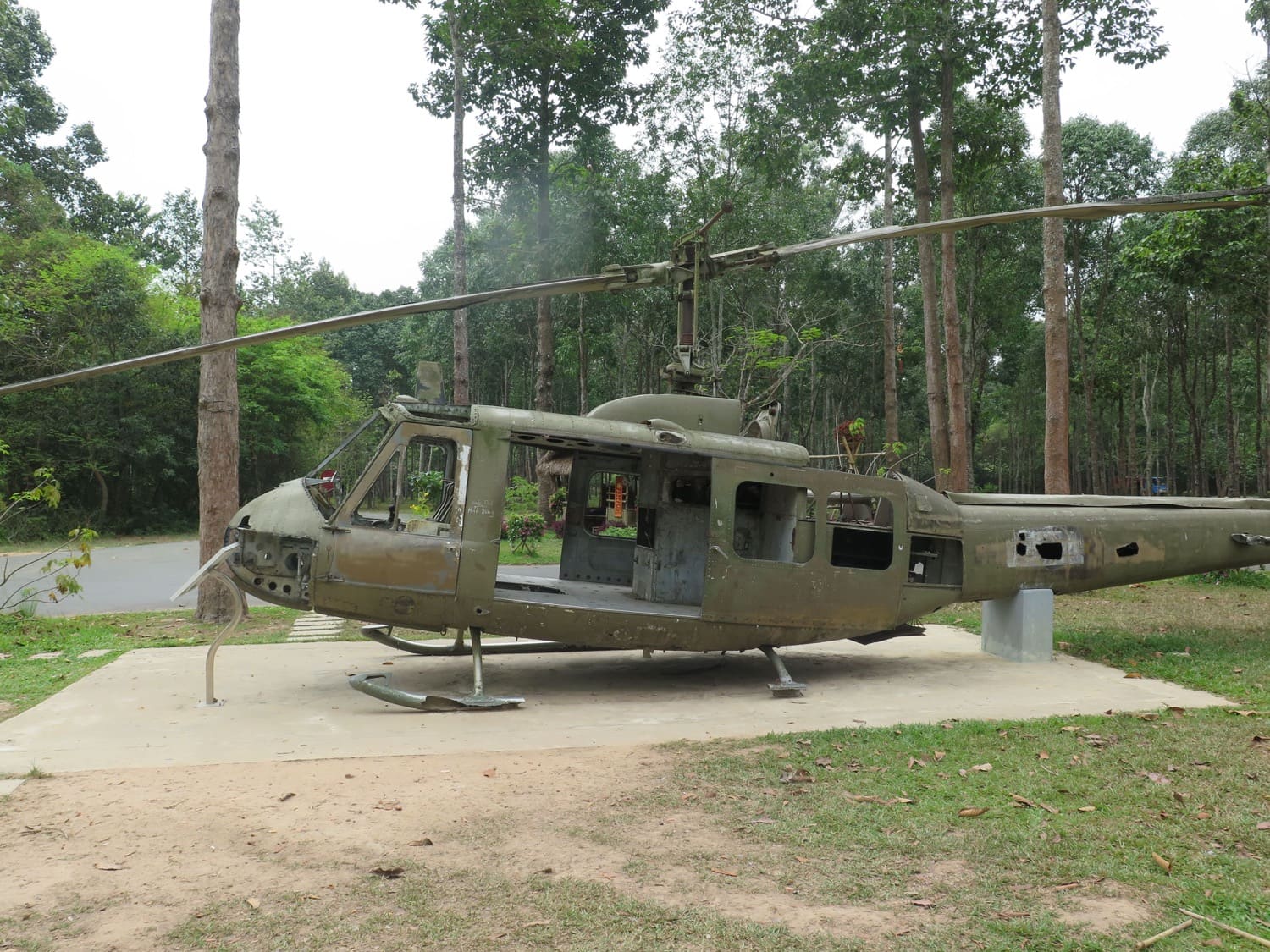
Outside the park, you can admire a collection of tanks, helicopters and a plane used during the Vietnam War.
 Once inside, a guide will introduce you to the park and will take you to this interactive experience. Be ready to walk on your knees, and be careful about naughty mosquitos!
Joking apart, you will go inside some tunnels to understand how soldiers lived there during the war. They are narrow and low, dark and humid, definitely not ideal if you are claustrophobic.
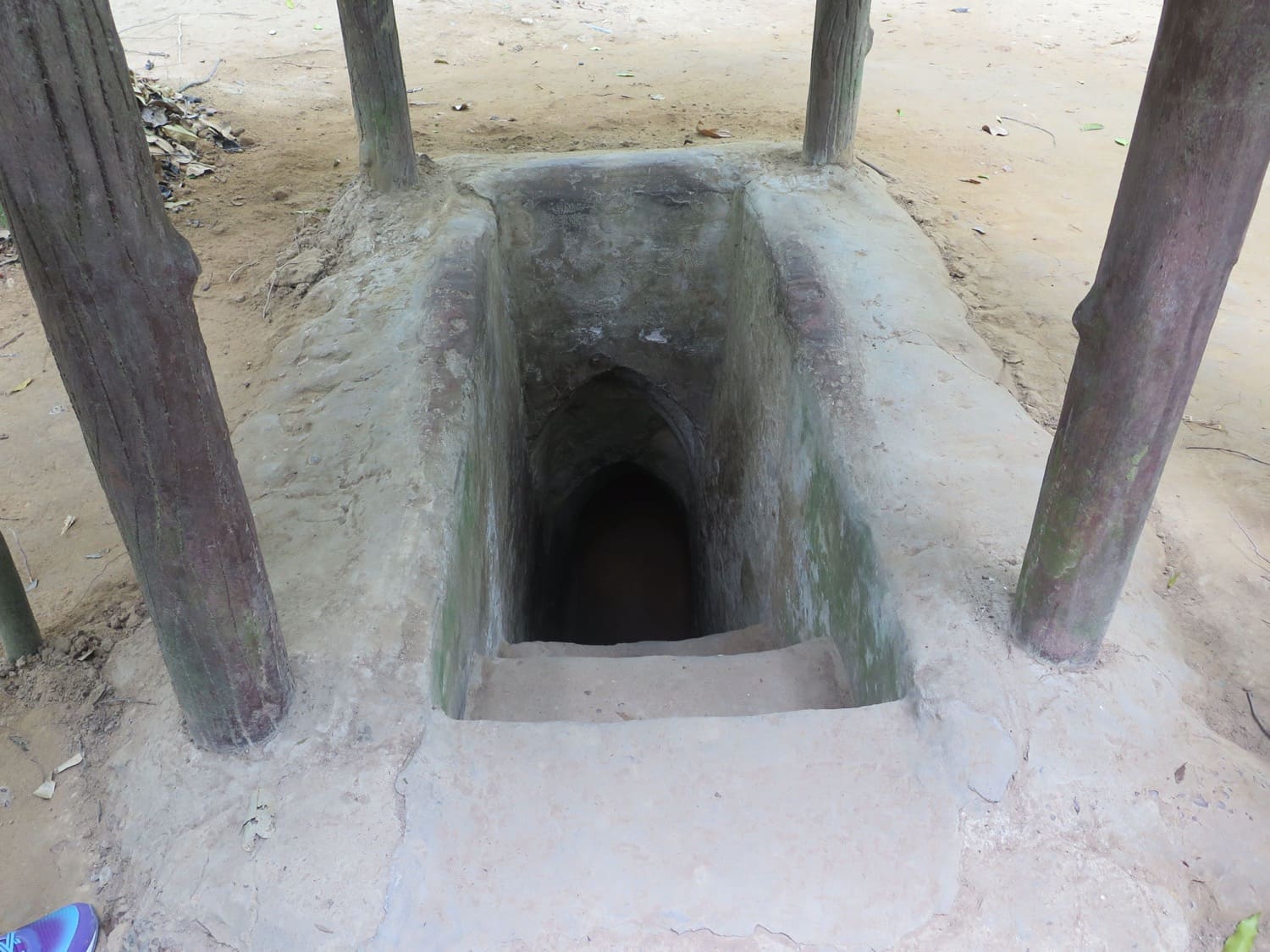
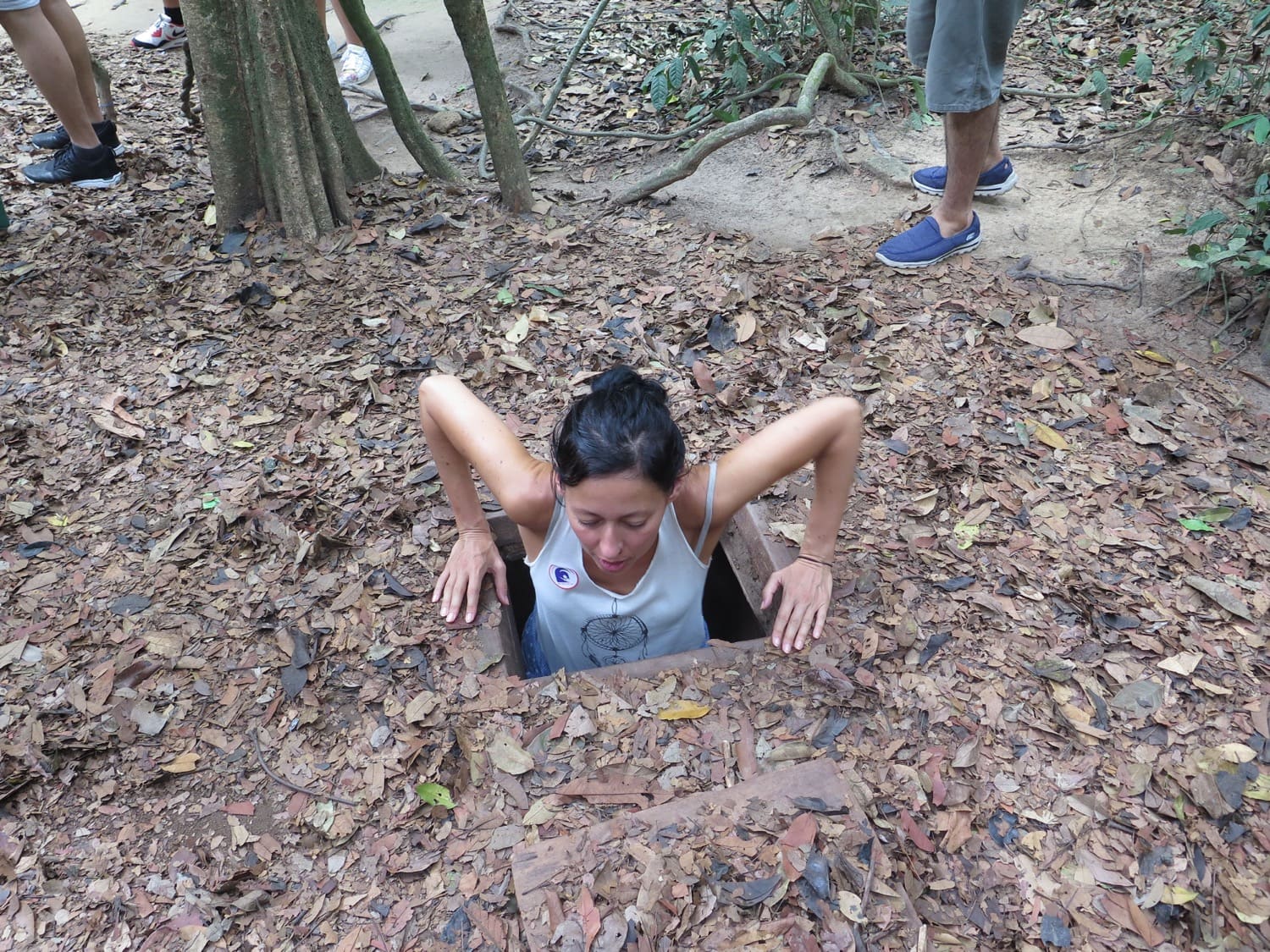
You get inside the tunnel on one side, you "walk" on your hands and knees, and then you get out on the other from a secret spot. Leaves and grass covered the ground, so you really don't notice the entrance and exits. There are several tunnel lenghts that you can experience, but always with an experienced guide.
Inside the tunnels is hot and humid, with insects and bats flying around. You will visit the meeting room where Viet Cong took all the decisions, the hospital, and other smaller rooms. All underground.
I cannot imagine living there for years, in those conditions... But I must admit that Vietnamese people did a great job. They built all those tunnels driven by the need to survive and studied everything into detail, nothing was left to chance. They had to develop so many strategies to survive.
In this regards, the guide showed us some traps that the Viet Cong used to capture the ennemies. They actually were super creative, I must say.
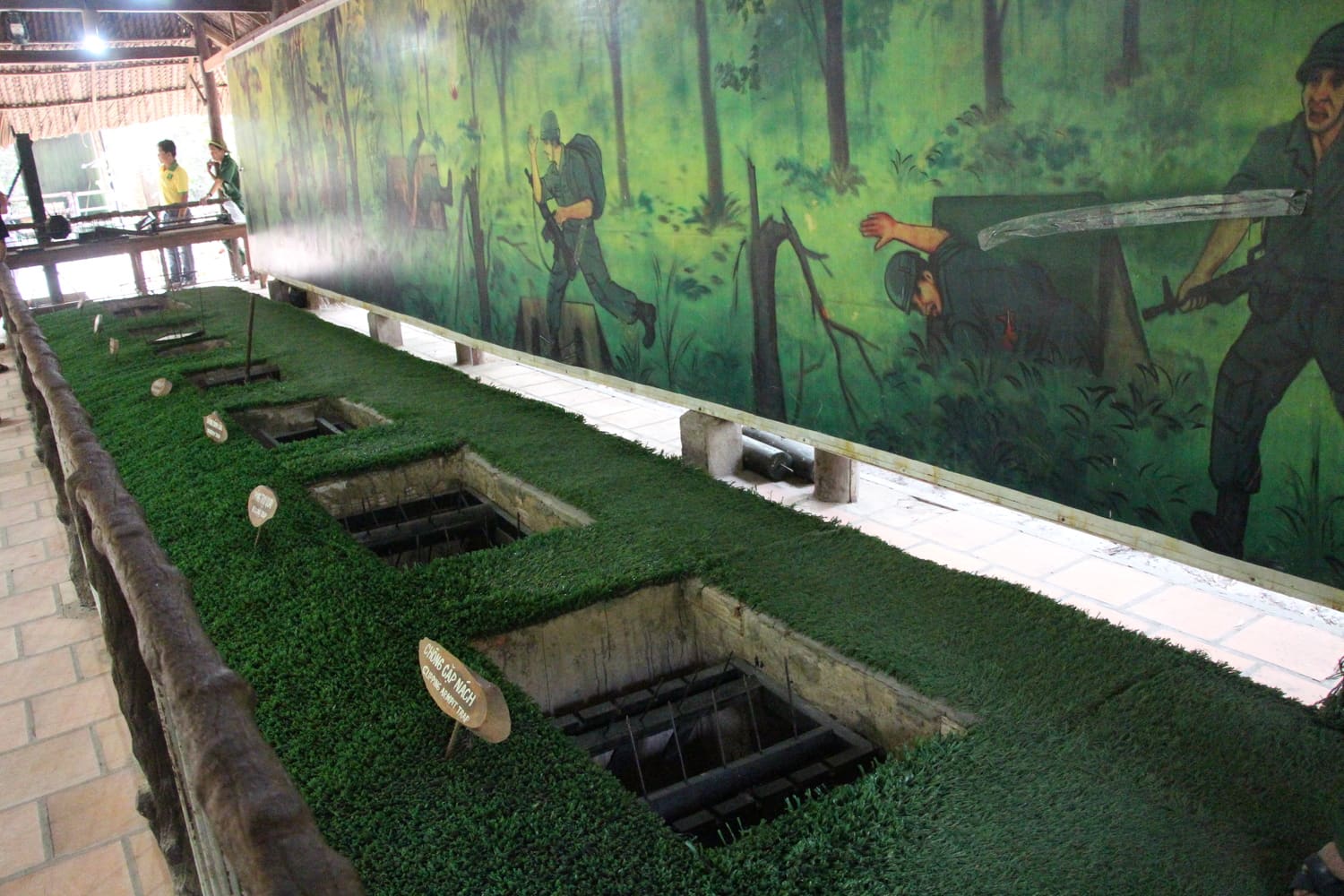
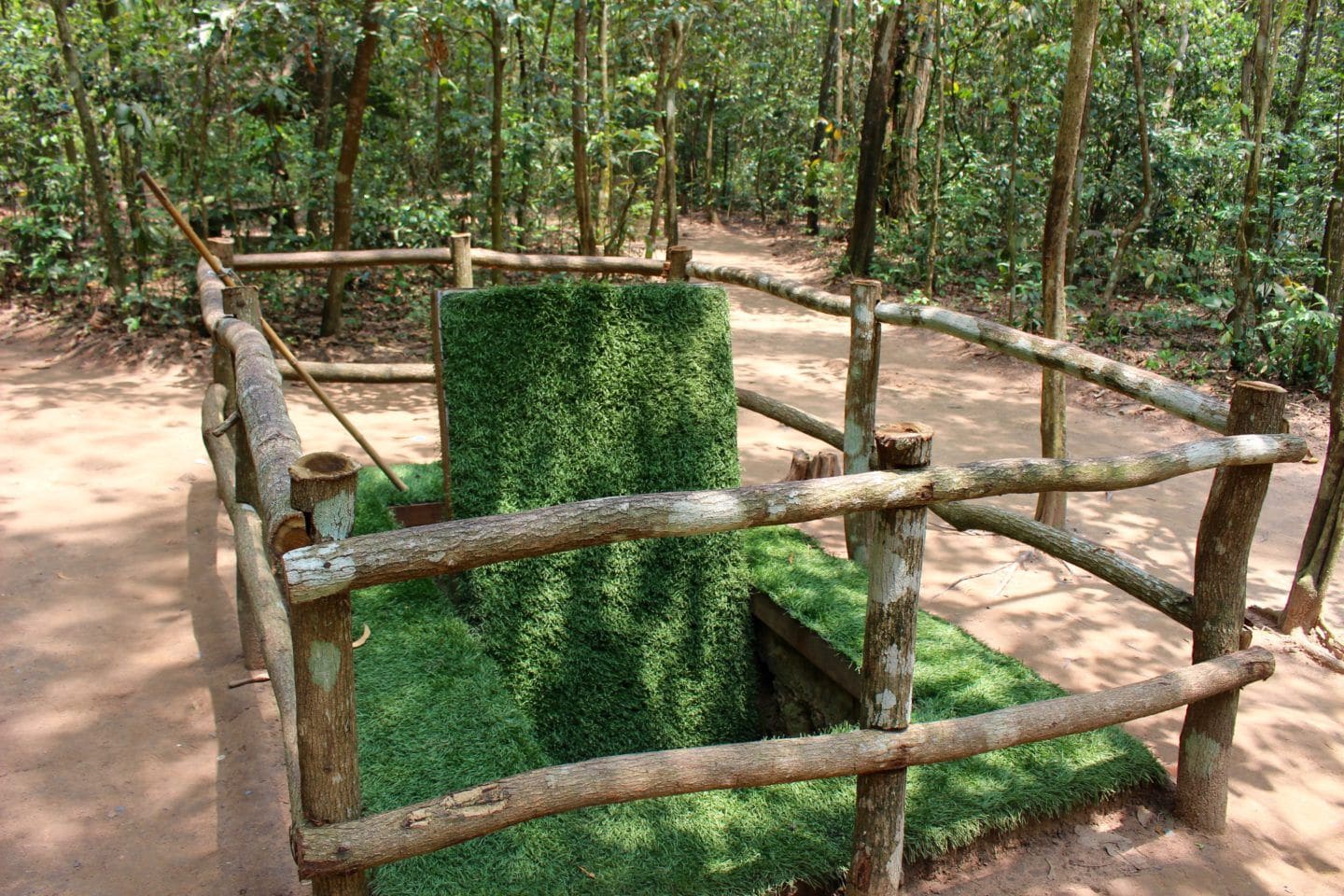
After all this running on all four and avoiding traps, you kind of feel hungry! So our tour ended with a nice snack offered to everyone, a snack in Viet Cong style: boiled tapioca (like a potato) and a cup of tea.
I highly recommend this tour if history interests you or if you want an interactive experience. It opens your mind, and it is different and unique. Join for free to learn more about travel experiences!
Ho Chi Minh City: a Visit to the Mekong Delta
Ho Chi Minh City is a very chaotic, hot and polluted city. Even if fascinating, you don't want to spend too much time on the streets dodging scooters and cars.
So we decided to join an organized tour in the outskirts and to discover the Mekong Delta region as we heard it is really beautiful.
We visited several agencies and noticed that they sell almost all the same excursions, for the same price. Some tours are organized for big groups (50 people), and some for smaller groups (8-10 people).
The lady at the front desk suggested to go with a small group: you pay a bit more, but the guide has more time to dedicate to everyone and to give deeper explanations.
The ticket costed 550'000 VND per person and included the transportation, entry fee to the attractions, lunch and English-speaking guide.
The excursion from Ho Chi Minh City to the Mekong Delta
The guide picked us up at our hotel in Ho Chi Minh City and we boarded the minivan at around 7.45 am. On board, there were other 7 people. That was our group for the day.
The guide, a funny Vietnamese guy whose name was "Braveheart", entertained us during the trip with interesting facts about Vietnam, Ho Chi Minh City, and Vietnamese lifestyle.
In the past, during the Khmer period, Ho Chi Minh's name was Saigon.
Nowadays the city, which is the most visited in the country, hosts 8.4 M inhabitants (13 M considering all the metropolitan area) and it is considered the financial centre of Vietnam.
Our first stop was at the Vinh Trang Temple: a beautiful Buddhist temple with 3 huge Buddha statues in different positions.
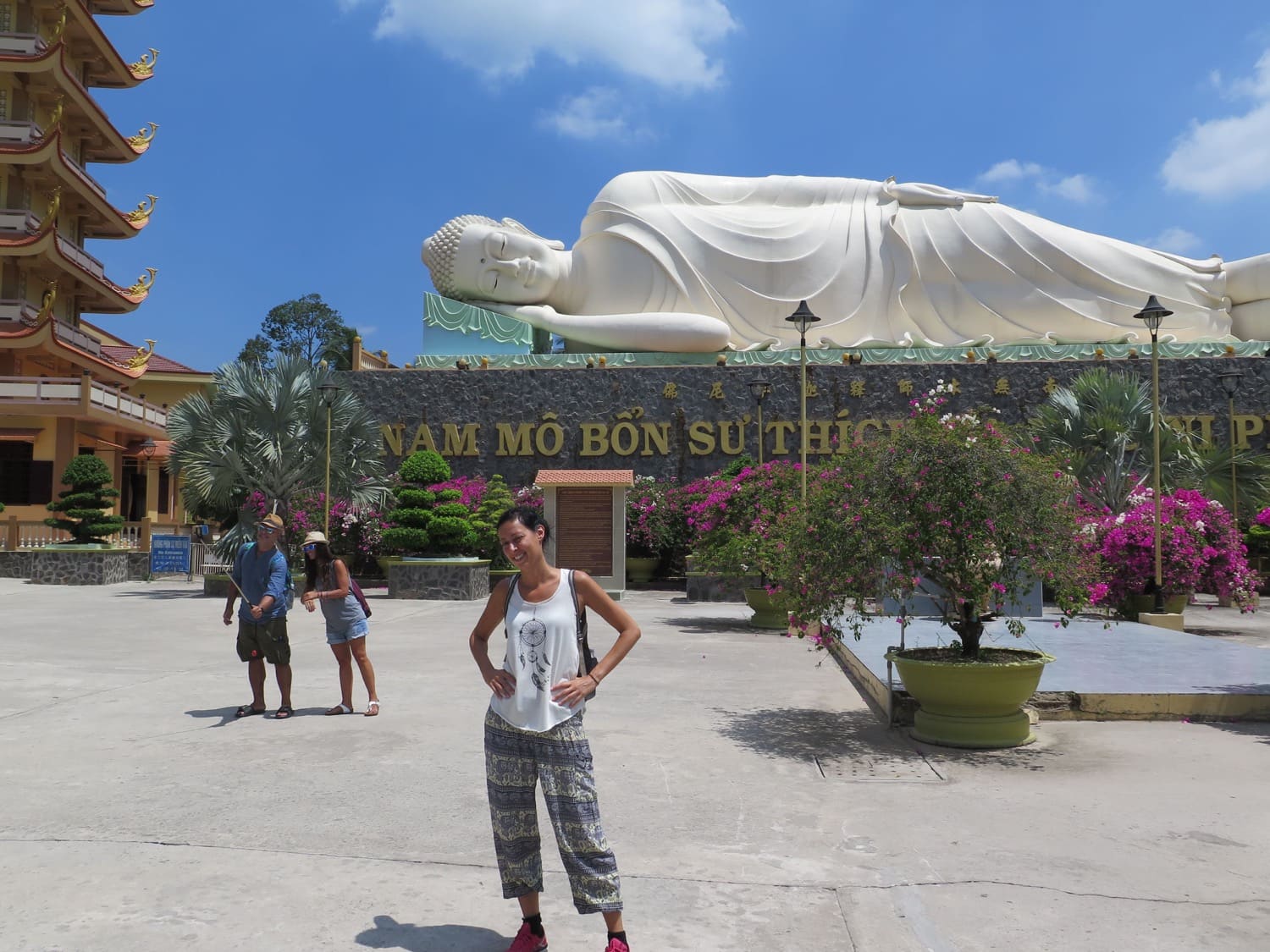
The statues are:
- standing Buddha: the symbol of joy and compassion.
- laughing Buddha: the symbol of happiness and fortune.
- reclining Buddha: the symbol of Buddha before the death (parinirvana)
In the temple, Monks were preparing lunch. They usually eat a little bowl of rice and some vegetables. It seems that there are 2 "kinds" of monks. "Skinny" monks, who always stay in the temple and eat once per day. "Chubby" monks, who go around in the city collecting food alms... in addition to the once-per-day meal.
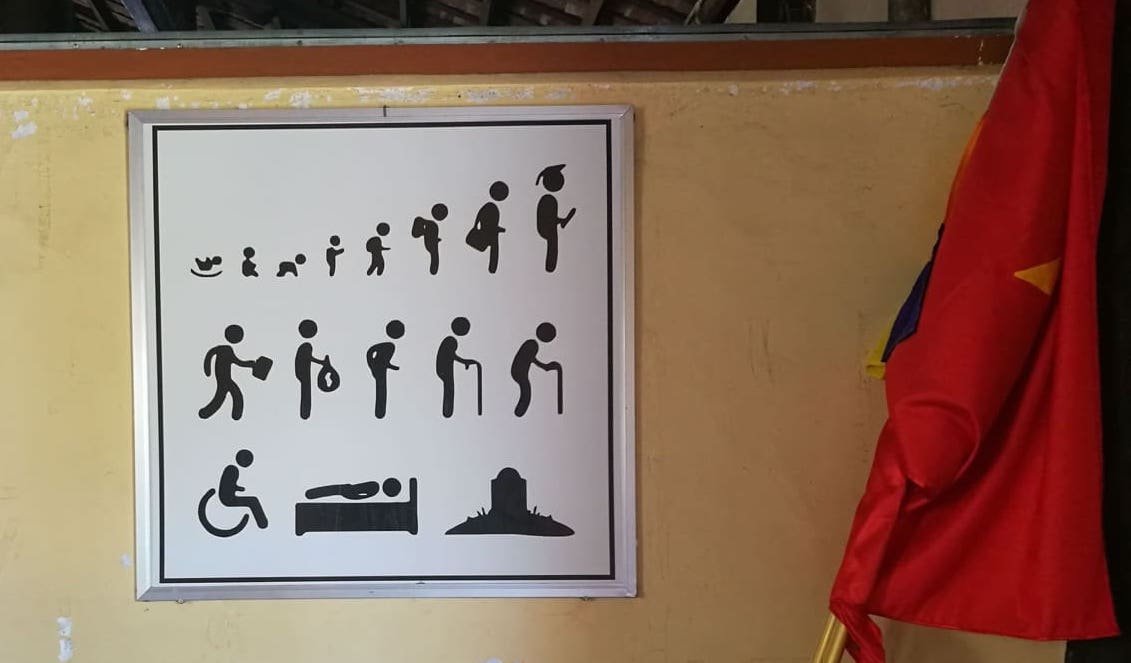
There was an interesting interpretation of life hanging on the temple's wall... a bit sad, but it is actually our current society lifestyle. We study, we work, we gain money and, when it is time to enjoy life, we get sick and old, and we die. Let's live life intensely, as we are only passing on the earth!
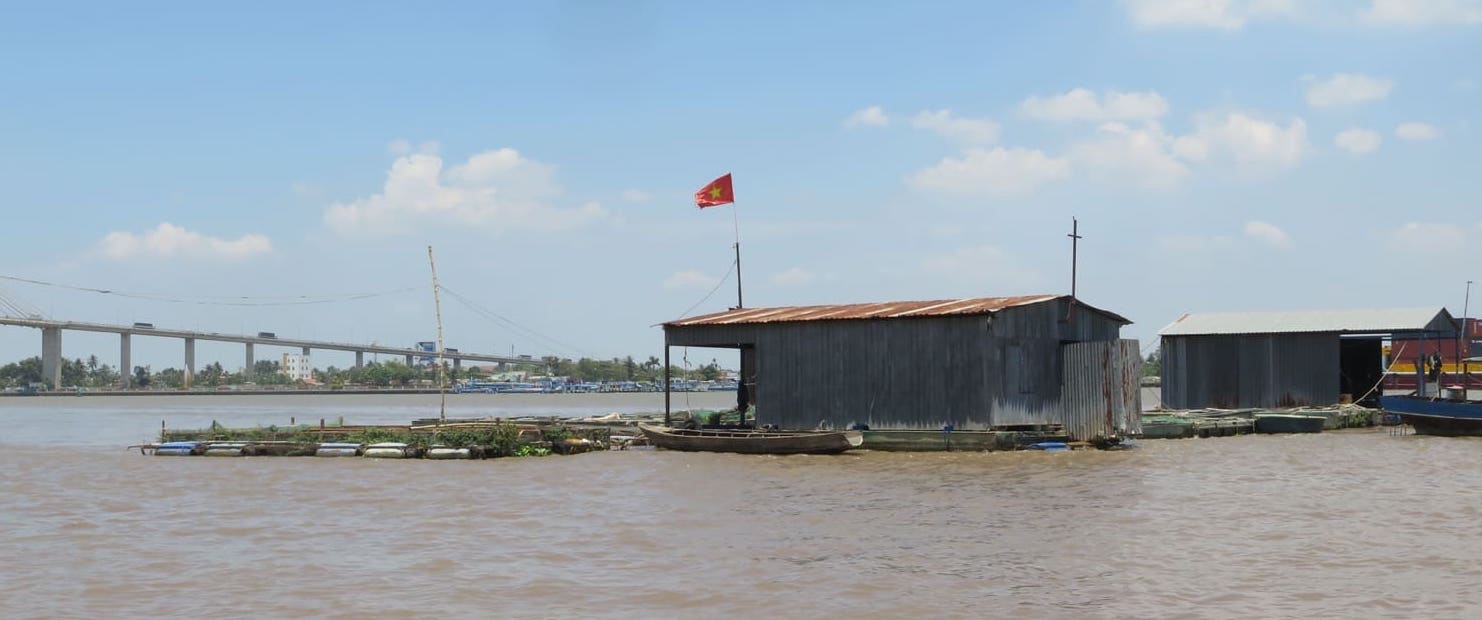
Afterwards, we drove to the Mekong Delta and, with a small boat, we reached our next stop. During the trip, we saw a floating village, where people really live! It is a complex of wooden floating houses, and it includes also a little market.
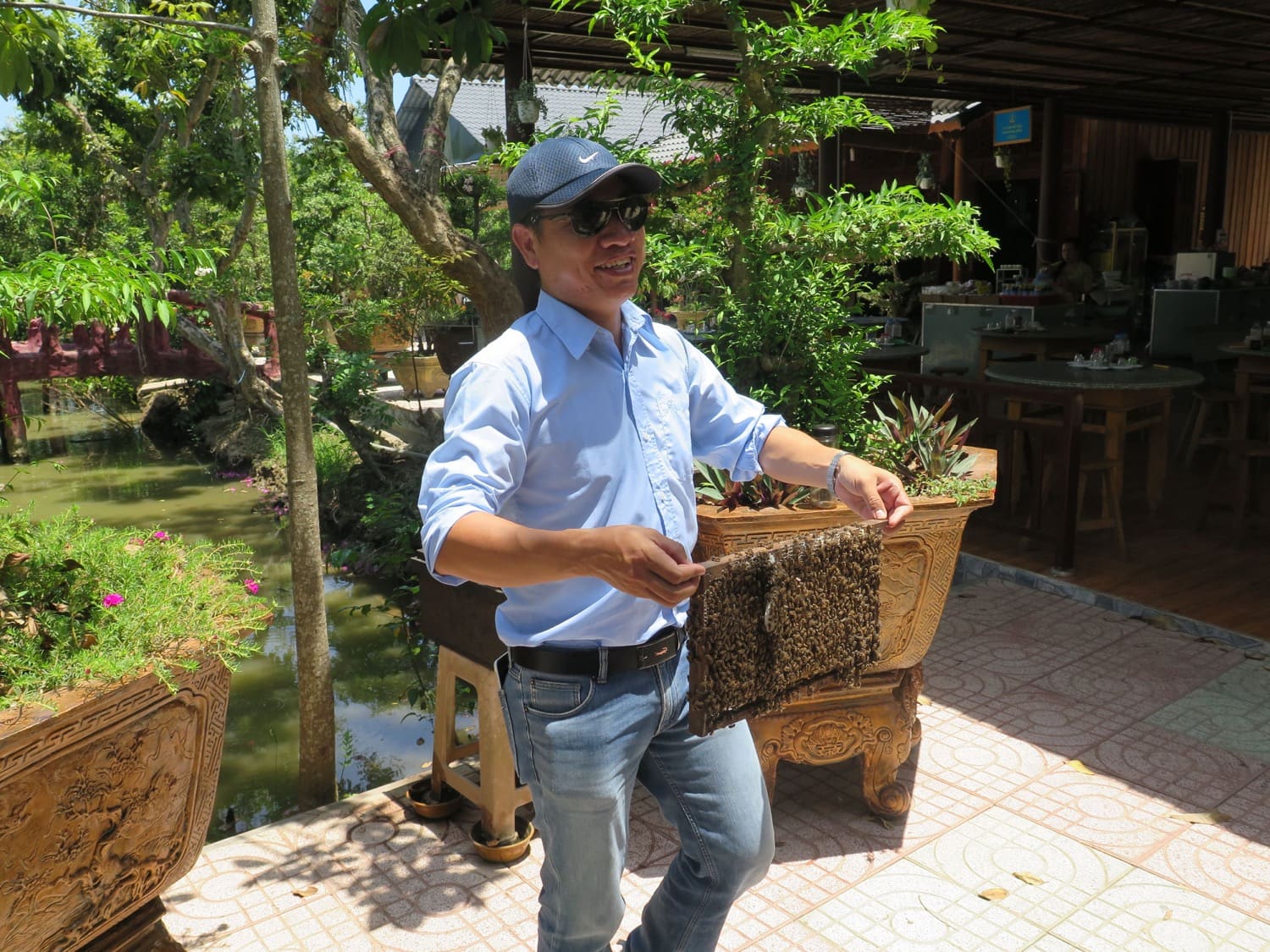
We reached a bee farm where artisans produce wax and honey. Bees there were friendly, you could take a piece of a beehive without worrying too much :-) Braveheart did it first.
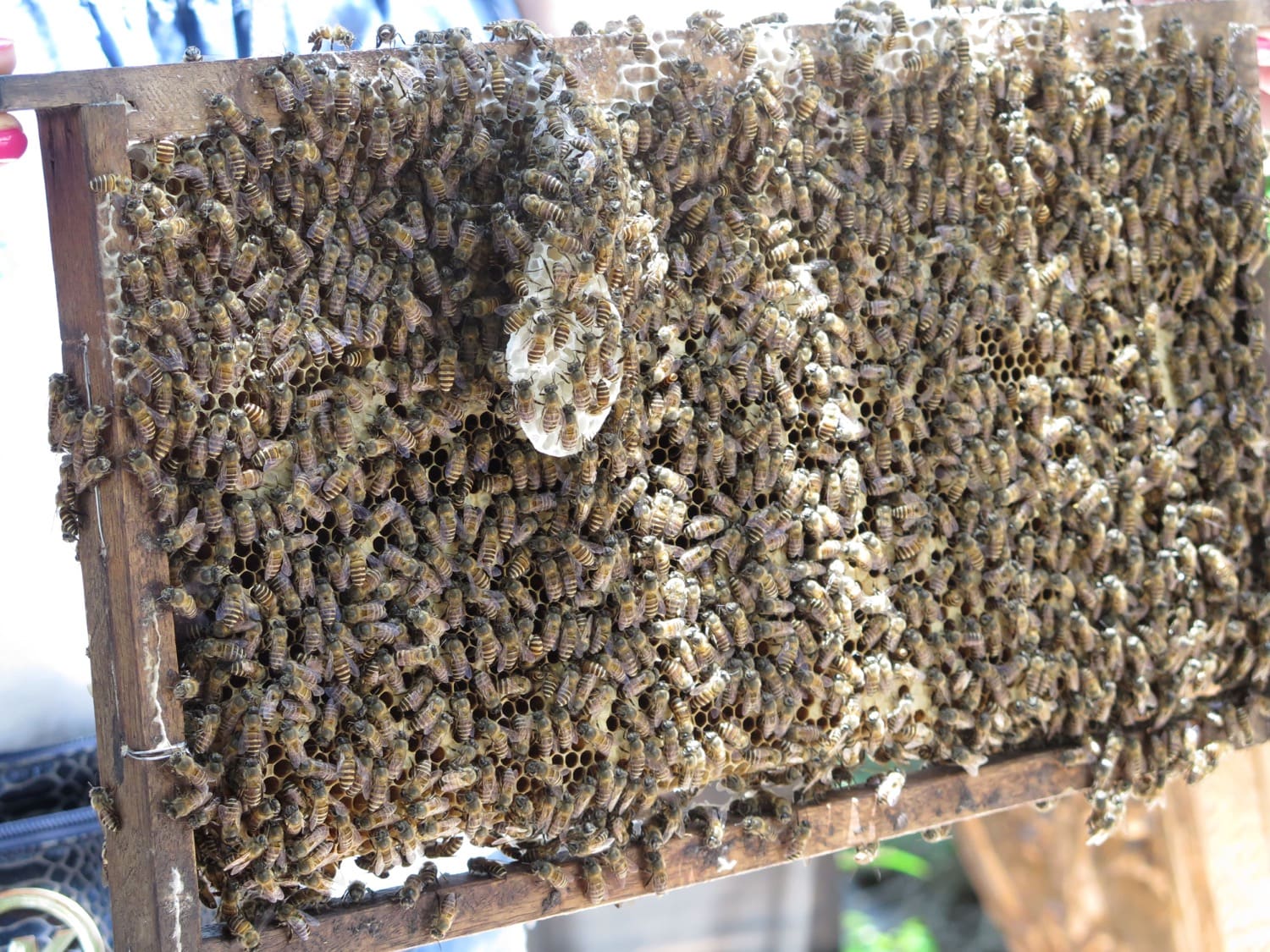
Somewhere there was also the queen, but unfortunately, we couldn't see it as the other bees were protecting her.
Anyway, honey was delicious!
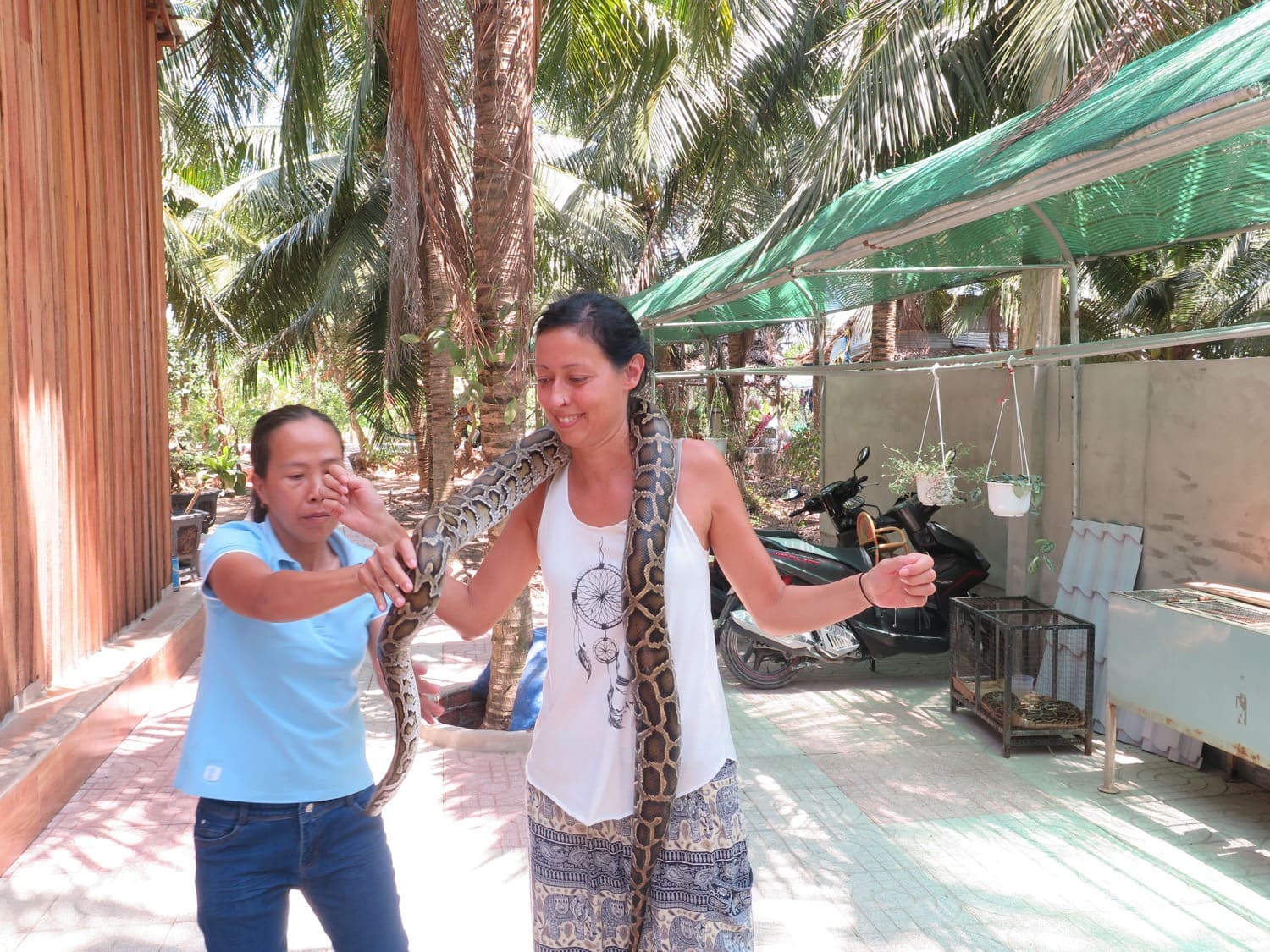
Talking about animals, the bee farm hosted also a couple of... pythons, a male and a female. They were friendly too, and kind of domesticated. Everyone took a QUICK picture with one of them... very quick!
Surprisingly, the guy was heavy and not slimy at all. But still, that 20 seconds seemed an eternity to me!
After another short trip by boat, we visited a local sugar cane firm, producing candies, beauty products and other small handicrafts. Candies tasted like caramel: a bit sticky and extremely sweet. We walked a few minutes and reached a little port on the Mekong Delta. A host invited us to take a seat and offered us some fresh fruits and a cup of green tea. While enjoying our snack, a group of Vietnamese ladies entertained us with local songs and dances. It has been really nice!
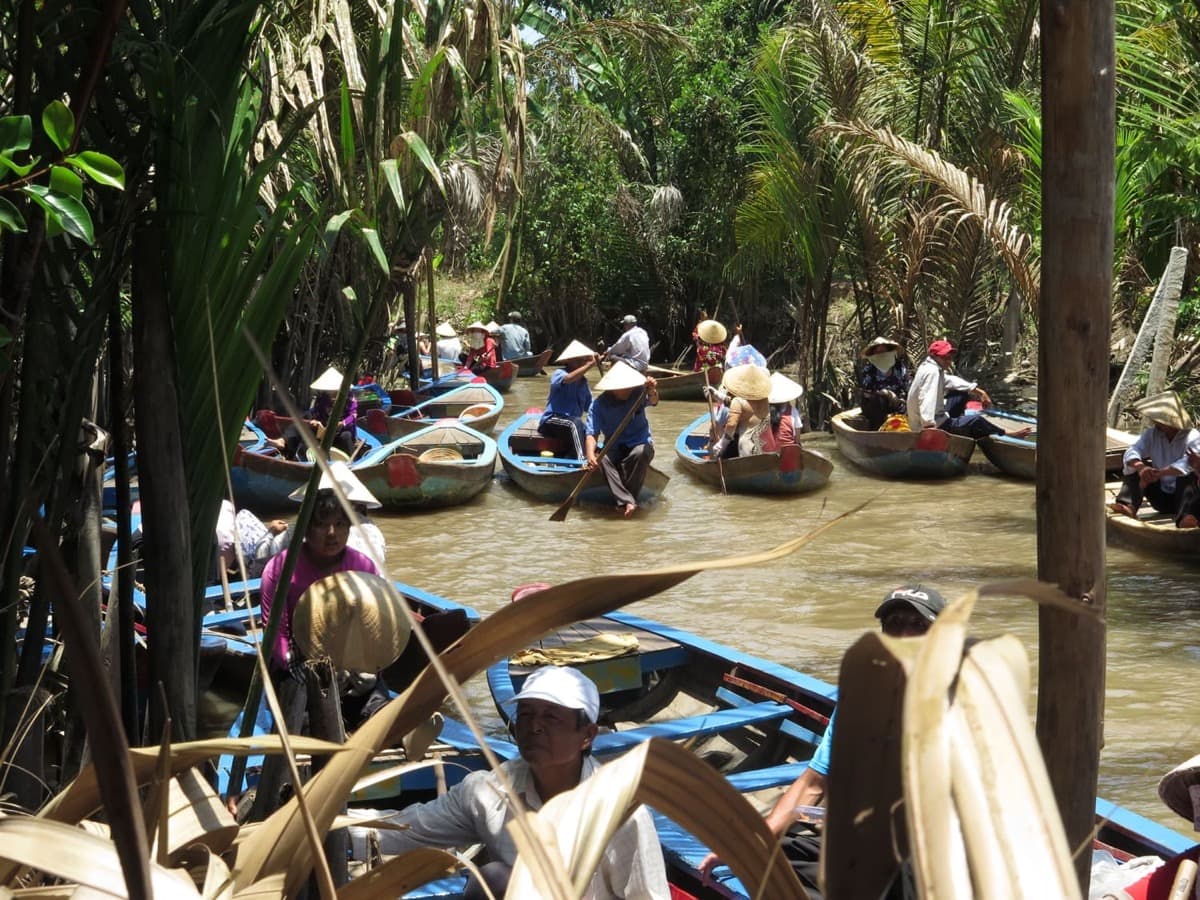
Then, with a full belly, we finally boarded one of those little boats that were running up and down in one of the Mekong "canals".
Every boat fits 4 people and a "driver". This place was very touristic, and pagoda's journey was quite short. Short but hard, as the driver had to paddle and, at the same time, to dodge other pagodas.
The landscape was incredible, we were surrounded by the green of nature, the brown of the water, and the full colours of our hats :-)
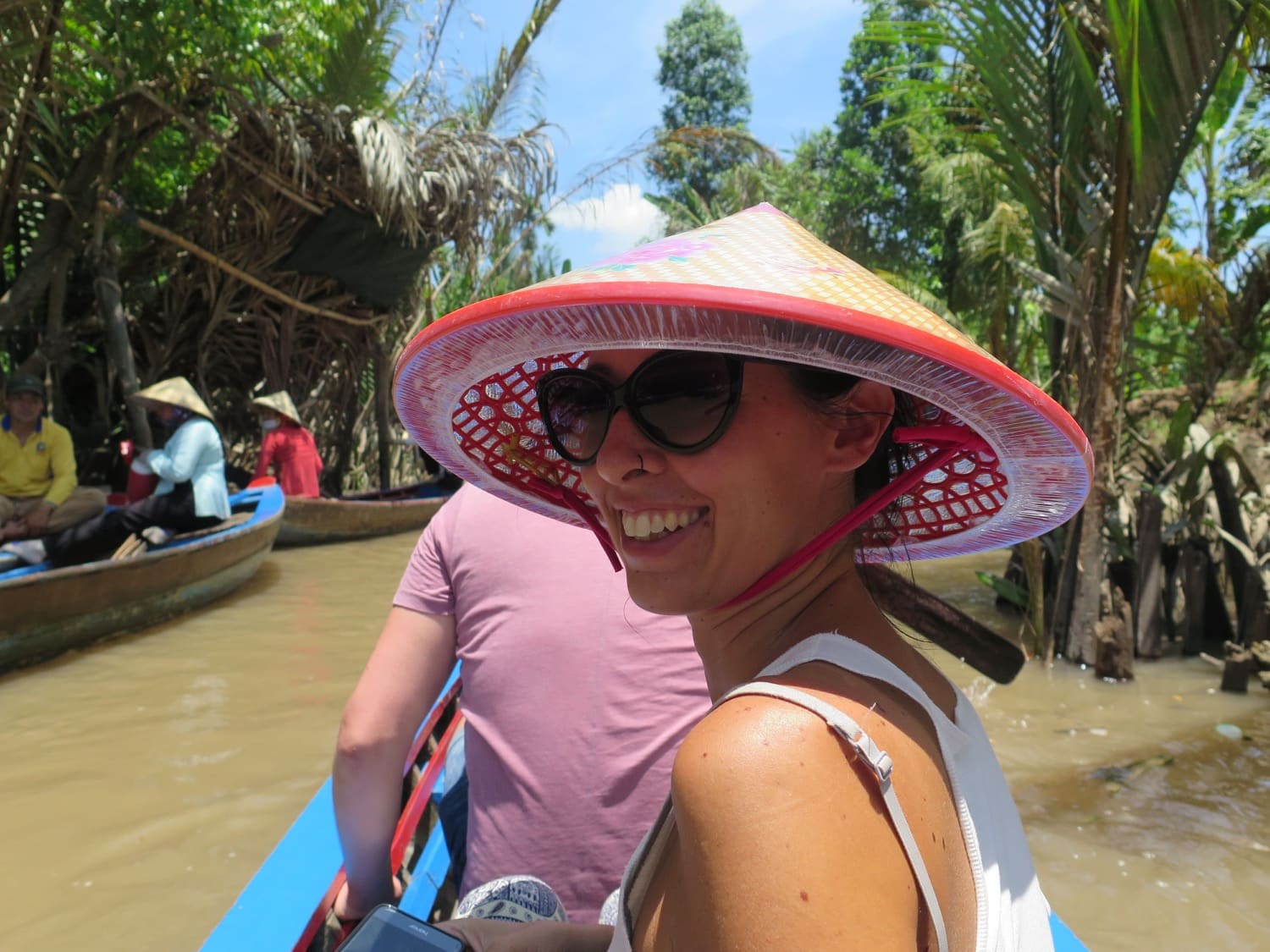
That was an intense morning, and we started to feel hungry.
We have been invited for lunch by a local farmer, living in the countryside not too far from the Mekong Delta. He cooked our lunch using his own vegetables. A delicious vegetarian and zero-kilometer meal! We even had time to relax (there were hammocks) and to bike around.
As always, beautiful things don't last!
The last walk through a garden full of fruits conducted us to the minivan, that drove us back to the hotel.
What an interesting day! We usually are not really pro to join organized groups, but in this case, we had a positive experience and we saw a lot of things that with a DIY itinerary you couldn't do (unless you rent a car or a motorbike).
To learn more about related experiences, subscribe to our website and join for free!
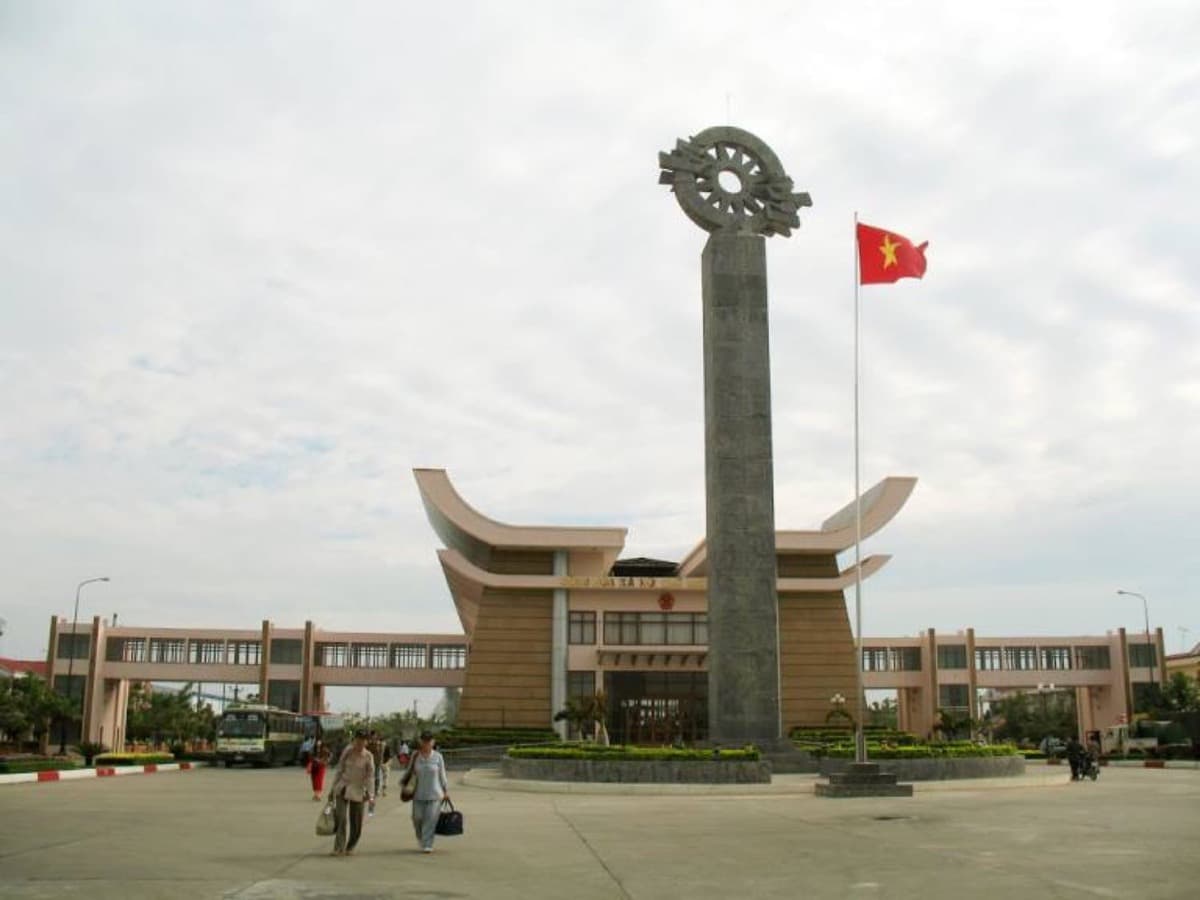
How to pass Vietnam border [by bus]
There are few rules to respect when passing the Vietnam border, and these apply in both cases: if you decide to travel by air or land.
The Vietnam visa rules
Vietnamese visa can be obtained before travelling, or on arrival. This always depends on your nationality, so be advised to check with the Vietnam embassy or consulate in your country (or in the country where you are located) to understand if the visa on arrival is applicable in your case.
You can find here a short summary of the options, and if you need more information you can read my other post about it.
Visa exemption
If you come from one of these countries, you may visit Vietnam without a visa. There are limitations in time, so check all the conditions with the Vietnam embassy or consulate in your country.
Visa on Arrival/E-Visa
If you come from one of these countries, you may be able to request a visa on arrival mainly when you travel by air, and you land in one of the international airports in Vietnam.
Visa on passport
If you travel by land, or if you are not eligible for a visa on arrival, then you need to apply for a Vietnam visa in advance. This has to be done directly with the Vietnam embassy or consulate in your country, or in the country where you are now. We did it in Cambodia.
How to pass the Vietnam border
We were in Cambodia, in Phnom Penh, and had few options to evaluate.
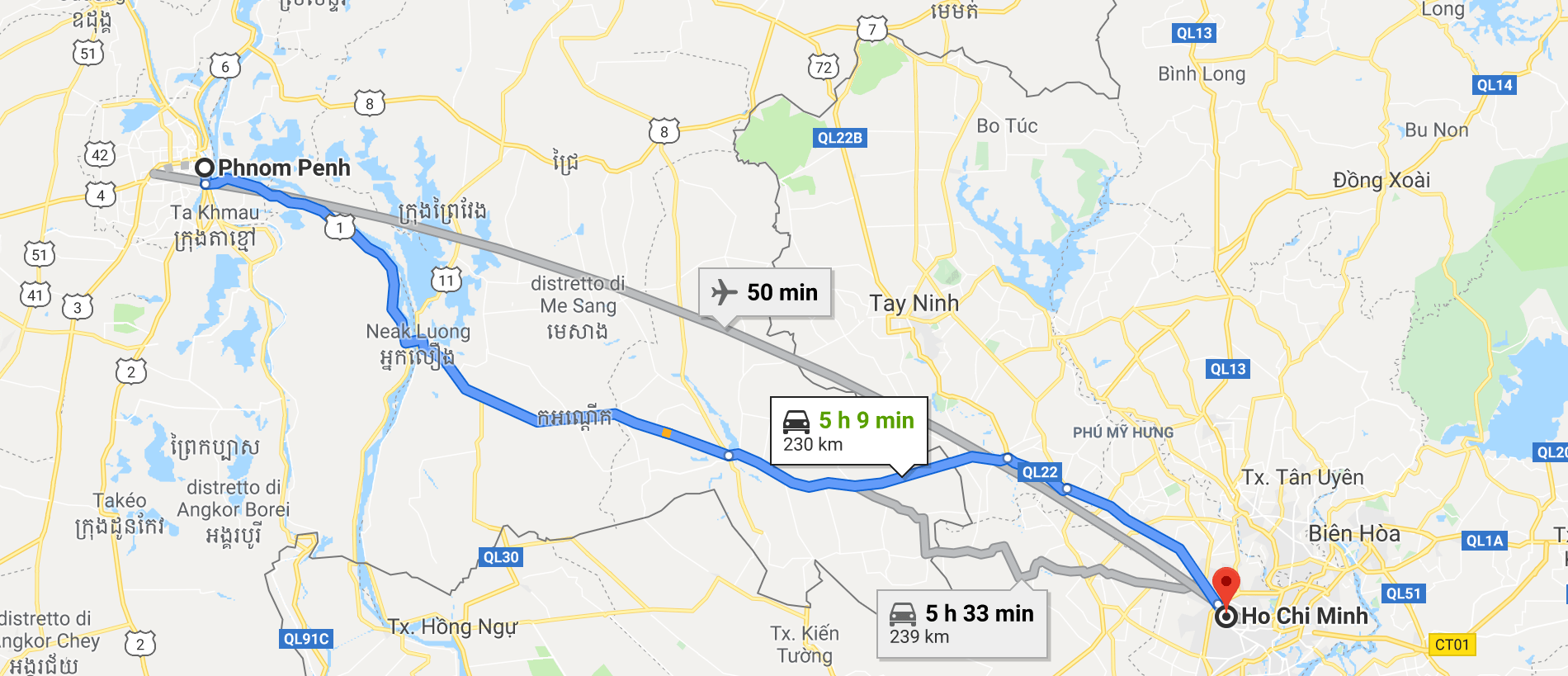
By bus
This is the cheapest way to travel. It takes approximately 6-7 hours, and the bus goes from the city centre of Phnom Pen to the city centre of Ho Chi Minh. The best companies are Grand Ibis and Mekong Express. You travel comfortable, sometimes with wifi onboard, and relatively quick. The bus is the most common transportation used by tourists.
The cost out from 12 $ to 16 $ per person.
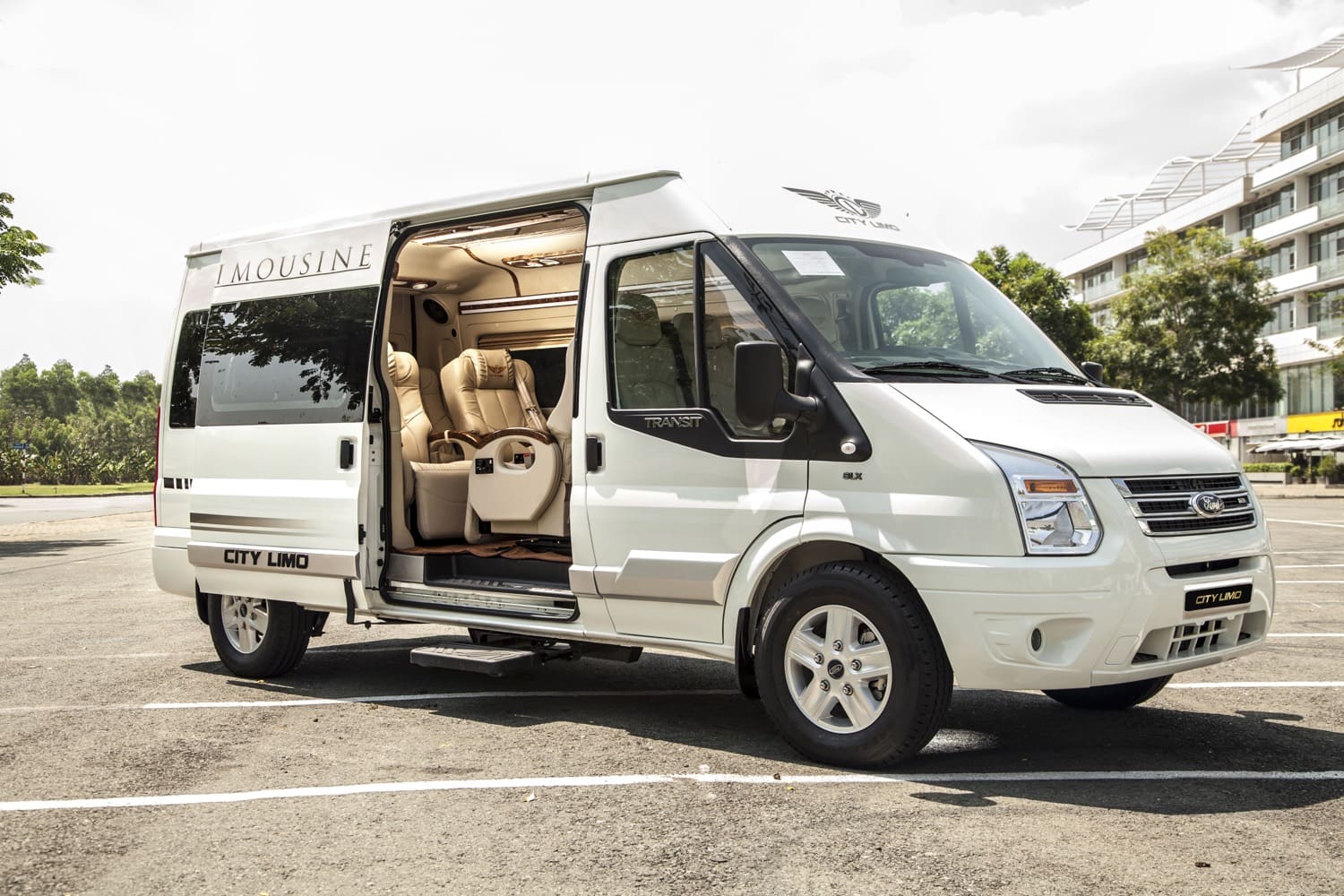
By van
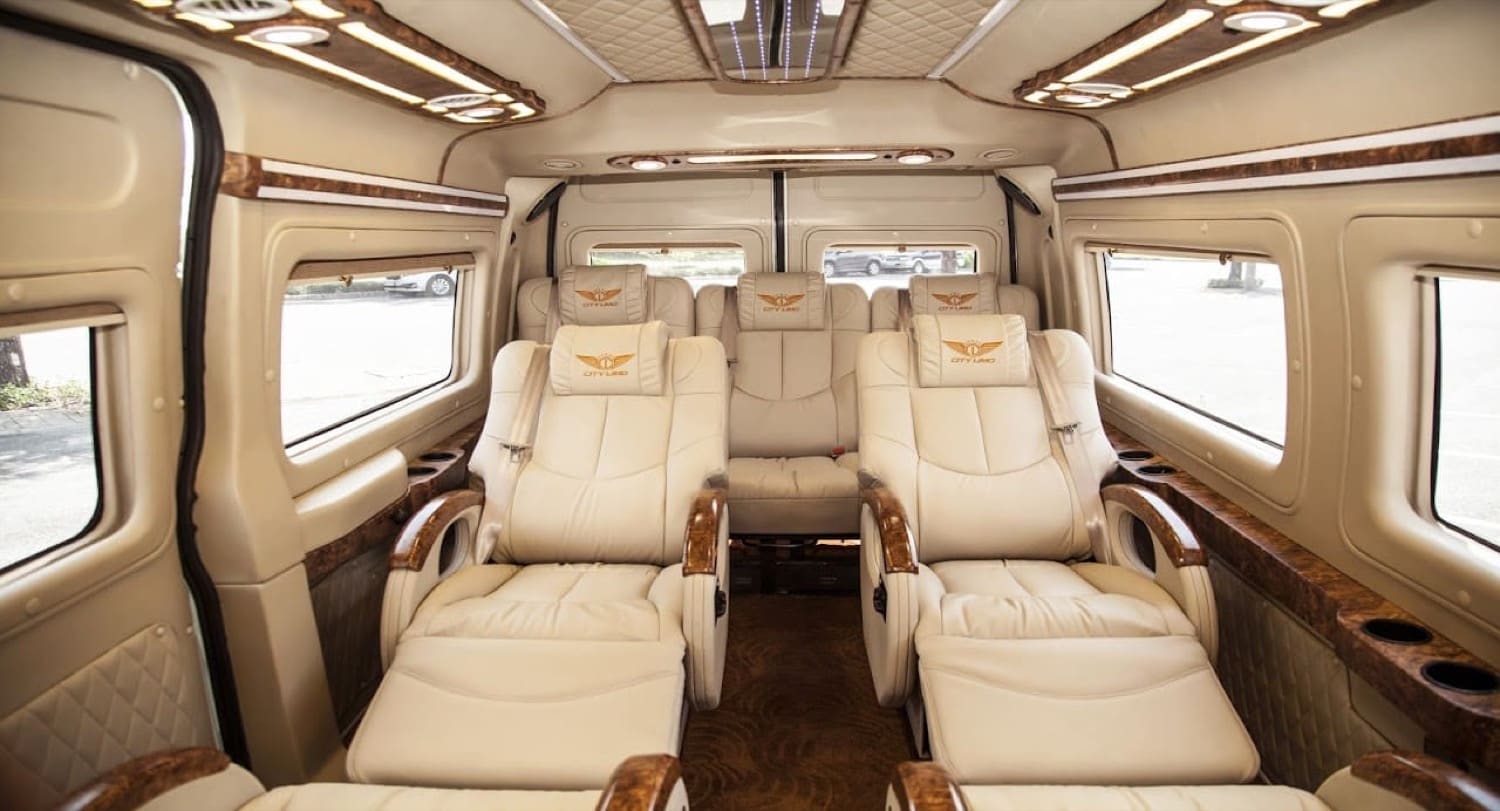
This is a more comfortable way of travelling. There are several companies driving up and down from Phnom Penh to Ho Chi Minh City, and the trip lasts 5 hours. We decided on this solution and travelled with a company called Sapaco.
The cost is around 16 $ per person.
By plane
This was the fastest option, but a way to expansive for our budget. So we didn't even consider it.
The trip from Cambodia to Vietnam (land)
At 6 am we took a tuk-tuk from our hotel to the Sepaco head-office. The road was empty, so in 15 minutes we arrived there. A secretary was waiting for all the passengers, 8 in total. We were the only Western guys, among other Japanese and Korean citizens.
Few minutes before the departure, the secretary called all of us and collected all our passports saying that the driver will keep them. We felt a bit uncomfortable about that, but it seemed that this was a normal practice there. The driver put the passports on the van's dashboard so luckily we could keep an eye on them.
We left around 6.30 am.
After a bit more than 3 hours, we understood that we were not too far from the border as we could see the huge casinos built by Vietnamese people in Cambodia territory.
In fact, in a few minutes, we reached the Vietnam border.
Border crossing (on foot)
The van stopped, and the non-English-speaking driver made a sign to get out of the van. We looked at each other and went out. A smiling Cambodia guy came toward us, he took all our passports, and asked us to follow him.
We went with him into the first building, he reached the desk and gave our documents to the Cambodian officer for the "exit procedure". After 15 minutes, the officer gave everything back to the Cambodian guy, who asked us again to follow him. We went out of the building and got into the van. The passport remained with that guy, who didn't board the van with us. We were all a bit worried because no one could explain to us what was going on... and we actually didn't get any explanation before leaving Phnom Penh except the usual " it's ok". Why did the guy keep our passports?
After 50 meters, the van stopped again and the driver made the same sign as before, so we all got out of the van. We followed the crowd inside the second building, and started to relax when, in the distance, we saw the Cambodian guy waiting for us at the "foreign desk". Ok, our passports were safe and were there!
The guy put us in a line, one by one. The first Vietnamese officer checked our details, picture, and visa. Few meters further, the second Vietnamese officer stamped the passport and the visa and gave everything back to us.
What a relief!
Everything went fine, we got back into the van and could proceed our trip to Ho Chi Minh City!